
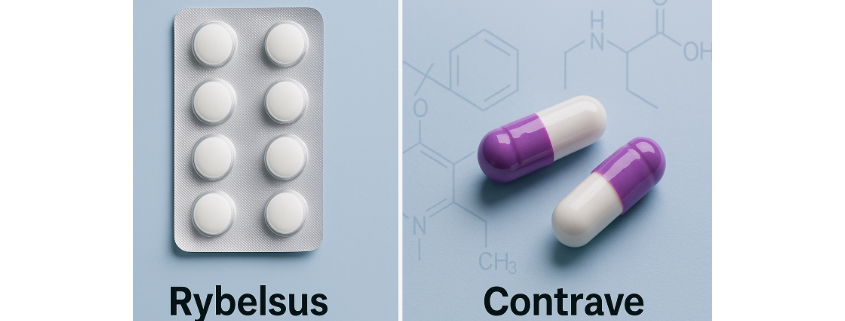
Taking Contrave and Rybelsus Together Drug Interactions

Dr. Matthew Olesiak, MD, is the Chief Medical Director at SANESolution, a renowned wellness technology company dedicated to providing evidence-based solutions for optimal living. Dr. Olesiak earned his medical degree from the prestigious Jagiellonian University Medical College in Kraków, Poland, where he developed a strong foundation in medicine.

Combining medications for weight loss has become increasingly common, particularly as more people seek medically-supported strategies to manage body weight and improve metabolic health. Two such medications, Contrave and Rybelsus, are gaining attention for their potential effectiveness when taken together. But before combining these weight loss drugs, it’s essential to understand the possible drug interactions, side effects, and risks.
This guide explores what happens when you take Contrave and Rybelsus together, drug interactions, the science behind each medication, their approved uses, potential interactions, and important safety considerations.
Key Takeaways
- Contrave and Rybelsus target weight loss through different mechanisms, but combining them may increase the risk of low blood sugar, nausea, and other side effects.
- The combination may be effective for certain individuals, especially when used with a reduced-calorie diet and lifestyle changes, but only under close medical supervision.
- Your healthcare provider should evaluate your health history, current medications, and risk factors before prescribing both medications together.
Understanding Contrave and Rybelsus
Contrave is a combination medication that includes two active ingredients: naltrexone, which affects the brain’s reward system, and bupropion, which is commonly used to treat depression and aid smoking cessation. Together, they work on appetite and reward centers in the brain to reduce hunger and cravings.
Contrave is available as an extended-release tablet and is FDA approved for chronic weight management in certain adults with a BMI ≥30 or ≥27 and a weight-related condition such as type 2 diabetes or high blood pressure.
Rybelsus, on the other hand, contains the active ingredient semaglutide, a GLP-1 receptor agonist. It mimics a hormone that helps regulate blood sugar and slows gastric emptying, which can promote weight loss and improve blood sugar control.
Rybelsus is also an FDA-approved prescription medication used to manage type 2 diabetes and aid in weight loss in a subset of overweight or obese patients.
Can You Take Contrave and Rybelsus Together?
The combination of Contrave and Rybelsus is not explicitly contraindicated, but it’s not officially approved by the Food and Drug Administration (FDA) for use together, either.
However, doctors may prescribe both under certain conditions based on your health history and risk profile.
“Combining Contrave and Rybelsus may be effective for certain patients struggling with obesity or uncontrolled type 2 diabetes, but it must be approached with caution,” says Dr. Matthew Olesiak, MD, Chief Medical Director at SANE MD. “The potential for drug interactions and overlapping side effects, especially low blood sugar and nausea, requires close monitoring by a healthcare professional.”
This off-label combination targets different mechanisms: Contrave affects neurotransmitters in the brain, while Rybelsus enhances insulin production and slows digestion. For individuals with weight-related conditions, this dual approach may offer added benefit. But only when carefully monitored.
Potential Drug Interactions and Side Effects
Low Blood Sugar (Hypoglycemia)
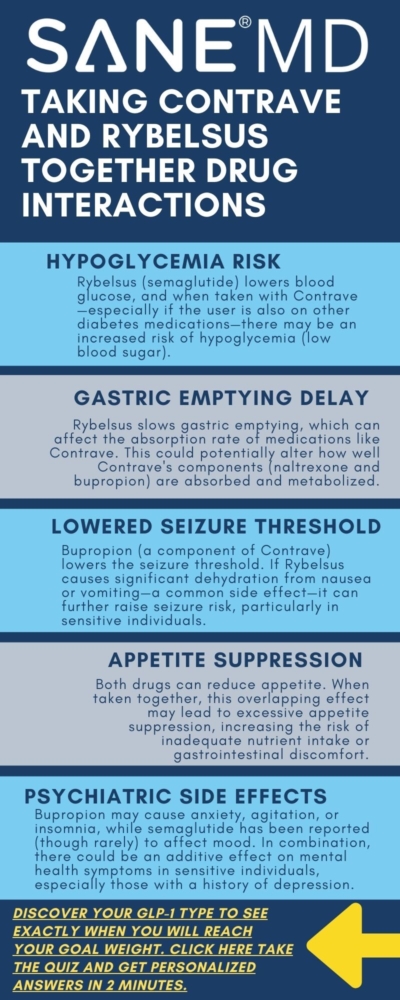
One of the most notable concerns is the increased risk of low blood sugar, especially in people who take other diabetes medications or insulin. Both Rybelsus and other diabetes medications work to lower blood sugar, which can be compounded when taking additional weight loss medications.
Common symptoms of low blood sugar include dizziness, sweating, confusion, shakiness, and, in severe cases, loss of consciousness. Patients with a personal or family history of diabetes or hypoglycemia may be especially vulnerable.
Gastrointestinal Distress
When taking Contrave and Rybelsus together drug interactions can include nausea, vomiting, constipation, and diarrhea, particularly when first starting. These side effects may be intensified when combining Contrave and Rybelsus.
“Start low and go slow, titration is key when combining multiple weight loss drugs,” says Dr. Olesiak. “Most adverse effects occur early on, and careful adjustment can help patients tolerate the combination better.”
Increased Blood Pressure
Contrave, particularly the bupropion component, can increase blood pressure and heart rate. For individuals with high blood pressure or heart disease, this may raise the risk of serious cardiovascular events.
While some studies have indicated that bupropion may have a neutral or even cardioprotective effect, there is evidence suggesting that bupropion can lead to increases in blood pressure and heart rate, particularly at higher doses.
For instance, a study published in The American Journal of Psychiatry observed that bupropion caused a rise in supine blood pressure among depressed patients with heart disease, although it did not lead to significant conduction complications or exacerbate ventricular arrhythmias. Additionally, the FDA prescribing information for Contrave notes that patients may develop elevated blood pressure or heart rate during treatment, with the risk potentially being greater during the initial three months of therapy.
Therefore, monitoring blood pressure regularly and informing your healthcare provider of any history of heart disease or hypertension is critical.
Suicidal Thoughts and Mental Health
Contrave contains bupropion, which has a boxed warning for suicidal thoughts, especially in younger populations. Patients with a personal or family history of mental illness should proceed with caution and inform their healthcare provider of any mood changes.
Risk Factors to Consider
Before prescribing Contrave and Rybelsus together, a healthcare provider will carefully evaluate a patient’s medical conditions, health history, and current medication regimen. While this combination may be beneficial for certain individuals seeking weight loss, it can also increase the potential for serious adverse effects if not properly monitored.
Several specific factors may make the combination riskier for some people.
1. History of Seizure Disorders
Contrave contains bupropion, a prescription medication known to increase the risk of seizures, particularly in individuals with a personal or family history of seizure disorders. Taking Contrave in combination with other prescription drugs that lower the seizure threshold, such as Suboxone, or in high doses, can be dangerous.
People with conditions like epilepsy, severe head trauma, or those withdrawing from alcohol or sedatives should not take Contrave.
2. Thyroid Tumors or Family History of Medullary Thyroid Carcinoma
Rybelsus (semaglutide) carries a boxed warning for the potential development of thyroid tumors, including medullary thyroid carcinoma, based on findings from animal studies. Individuals with a personal or family history of this rare cancer, or those with multiple endocrine neoplasia syndrome type 2 (MEN 2), should avoid taking Rybelsus.
Regular monitoring and clear communication about thyroid-related symptoms, such as neck swelling or difficulty swallowing, are essential during treatment.
3. Existing Liver Problems
Both Contrave and Rybelsus are metabolized through the liver. Individuals with moderate to severe liver problems may experience impaired drug clearance, which can lead to accumulation and increased risk of side effects.
Your doctor may adjust dosages or recommend alternative weight loss drugs depending on liver function tests and overall liver health.
4. History of Suicidal Thoughts or Mental Health Disorders
Because Contrave includes bupropion, an antidepressant, there is a most solemn warning regarding the risk of suicidal thoughts and behaviors, especially among young adults and those with mood disorders. Patients with a known personal or family history of depression, anxiety, or past suicide attempts should be closely monitored.
Any emerging mood changes, agitation, or worsening mental health should be reported immediately to a healthcare professional.
5. Current Use of Other Medications
Interactions with other drugs are a key concern when combining Contrave and Rybelsus. In particular, medications that affect dopamine levels (dopaminergic drugs), other diabetes medications, antidepressants, like Paxil, and medications that can increase blood pressure or heart rate, such as Vyvanse, may increase the risk of serious complications.
It’s critical to disclose all prescription medications, over-the-counter drugs, and supplements you’re taking.
6. Use of Other Diabetes Medications or Insulin
Rybelsus is often prescribed for blood sugar control in type 2 diabetes, and combining it with other diabetes medications or insulin can increase the risk of low blood sugar. Symptoms such as shakiness, confusion, dizziness, or fainting should be taken seriously.
A tailored treatment plan that includes close monitoring of blood sugar levels is crucial when using multiple diabetes medications together.
7. Previous Allergic Reactions to Any of the Active Ingredients
Patients who have experienced allergic reactions to semaglutide, bupropion, or naltrexone should not take Rybelsus or Contrave. Reactions can range from mild rash to serious, life-threatening conditions like anaphylaxis.
Symptoms of a severe allergic reaction may include hives, difficulty breathing, chest tightness, or swelling of the face or throat. These signs require immediate emergency medical attention, patients should stop the medication and call 911 or their local emergency services number right away.
Overall, before starting any combination of weight loss drugs, it’s essential to consider your health history, medical conditions, and any other medications you’re using. A shared decision-making process with your healthcare provider ensures your treatment is safe, effective, and aligned with your long-term goals for weight management and health improvement.
Weight Loss Benefits and Effectiveness
Although combining Contrave and Rybelsus is not officially recommended by the Food and Drug Administration, some doctors prescribe both when a single medication doesn’t deliver adequate results. This approach can be especially beneficial for individuals with a high starting body weight, obesity-related medical conditions, or those already using other diabetes medications.
The goal of this combination is to influence both appetite regulation and blood sugar control, using different mechanisms to more effectively promote weight loss.
A 2024 retrospective cohort study published in the International Journal of Obesity found that adding bupropion/naltrexone to GLP-1 analogue therapy led to significantly greater weight loss, even among patients who were initially non-responsive to GLP-1 therapy alone (Naude et al., 2024).
Rybelsus helps regulate insulin secretion, delay gastric emptying, and curb appetite by acting on GLP-1 receptors, which supports both aiding weight loss and controlling blood glucose levels. Contrave, meanwhile, targets the brain’s reward system and hunger cues by combining two active ingredients, bupropion and naltrexone.
When taken together under supervision, they may offer complementary benefits: Rybelsus enhances satiety and blood sugar balance, while Contrave works to reduce cravings and emotional eating triggers.
Both medications have been proven in clinical trials to support significant weight loss, particularly when paired with a reduced-calorie diet, regular physical activity, and consistent lifestyle changes. For some individuals, this combination may result in more weight loss than using either medication alone, especially when previous efforts have failed to produce sustained results.
Clinical Trial Data
- In one important trial published in the New England Journal of Medicine, semaglutide (Rybelsus) led to weight loss of up to 14% of participants’ body weight over a 68-week period. These outcomes were most notable in patients who adhered to treatment guidelines and engaged in lifestyle interventions.
- Contrave’s clinical trials demonstrated an average weight loss of approximately 4-5% over one year, particularly when used alongside structured behavioral support and nutritional counseling, as reported by FDA Access Data.
- For individuals with obesity or overweight with weight-related conditions such as high blood pressure or type 2 diabetes, these medications have also shown improvements in metabolic markers, including blood sugar, triglycerides, and waist circumference, according to the New England Journal of Medicine.
It’s important to note that individual results can vary. Factors like adherence to medication, dietary patterns, physical activity levels, medical conditions, other drugs in use, and starting body weight all influence how much weight loss a person may achieve. Some patients may lose a modest amount, while others could experience more dramatic changes over time.
In summary, although not officially approved to be taken in tandem, Contrave and Rybelsus may offer enhanced benefits for weight management when used cautiously together. However, this should only be considered after consultation with a qualified healthcare provider, and with close monitoring for side effects such as low blood sugar, increased blood pressure, or gastrointestinal discomfort.
When part of a complete treatment plan, this combination may be a useful option for patients struggling with obesity or weight-related conditions who haven’t had success with a single agent alone.
Comparing Contrave vs. Rybelsus
Some patients may wonder about Contrave vs Rybelsus in terms of effectiveness. While both are weight loss drugs, they work differently:
| Medication | Active Ingredient(s) | Primary Action | FDA Approval |
|---|---|---|---|
| Contrave | Naltrexone + Bupropion | Reduces appetite & cravings | Weight management |
| Rybelsus | Semaglutide | Regulates insulin, delays gastric emptying | Type 2 diabetes & off-label weight loss |
When comparing Contrave vs Rybelsus, the decision depends on your medical conditions, goals, and potential risks. Some patients respond better to one medication, while others may need a combination.
Insurance Coverage and Access
Access to these prescription drugs can be limited by insurance coverage. Many insurers require prior authorization or limit how long weight loss medications can be used. Discuss these restrictions with your healthcare provider or pharmacist when starting treatment.
Some telemedicine platforms offer free and confidential support when navigating insurance or finding the right prescription medication. Under the guidance of a provider, you may also consider over-the-counter alternatives or generics.
Monitoring and Ongoing Care
Patients using Contrave and Rybelsus together require regular follow-up to monitor for:
- Changes in blood sugar
- Blood pressure levels
- Emerging side effects or adverse effects
- Signs of liver problems or thyroid tumors
Your healthcare provider may adjust doses, pause treatment, or discontinue one medication if needed. Never stop or change medications without medical supervision.
Doctors typically start with low doses and increase gradually to reduce side effects and avoid interactions with other drugs or similar drugs.
Warnings and Precautions
FDA Boxed Warnings
- Contrave carries a boxed warning for suicidal thoughts and behavior, particularly in younger adults.
- Rybelsus has a boxed warning about the potential risk of thyroid tumors, including medullary thyroid carcinoma, based on animal studies.
These warnings highlight the importance of open communication with your doctor, especially if you have a family history of mental illness or thyroid cancer.
When to Seek Help
If you experience severe side effects, symptoms of low blood sugar, chest pain, mood changes, or allergic reactions, contact your provider immediately. In life-threatening situations, call your local emergency services number.
Those struggling with mood disorders can speak with a volunteer crisis counselor or mental health provider for free and confidential support. Don’t wait to seek support. Your safety and well-being come first.
Frequently Asked Questions (FAQ)
Combining medications for weight loss or diabetes management can be effective, but it’s essential to understand potential interactions and risks.
Below are answers to common questions about using semaglutide (Rybelsus) and Contrave, including who may benefit and who should proceed with caution.
1. Can I take semaglutide and Contrave together?
Yes, semaglutide (the active ingredient in Rybelsus) and Contrave can be taken together in some cases, but only under the guidance of a healthcare provider. Both medications are prescription drugs used to promote weight loss through different mechanisms, semaglutide helps with blood sugar control and satiety, while Contrave targets appetite and reward pathways in the brain.
However, combining them may increase the risk of low blood sugar, nausea, and other side effects, particularly in people also taking other diabetes medications. Your provider will consider your health history, medical conditions, and current medications to determine if this combination is safe for you.
2. What medication should not be taken with Rybelsus?
Rybelsus (semaglutide) should not be combined with other GLP-1 receptor agonists or certain other diabetes medications without medical supervision. These combinations can lead to low blood sugar or gastrointestinal side effects. Rybelsus may also interact with prescription medication that affects gastric motility or absorption.
Also, patients with a history of medullary thyroid carcinoma, thyroid tumors, or multiple endocrine neoplasia syndrome type 2 should avoid Rybelsus due to its boxed warning. Always review your full medical conditions and medication list with your healthcare provider before starting Rybelsus.
3. What medications should not be taken with Contrave?
Contrave should not be taken with monoamine oxidase inhibitors (MAOIs), certain dopaminergic drugs, or other medications that lower the seizure threshold, due to the increased risk of seizures. Contrave drug interactions may also occur with drugs used to treat depression, other drugs that affect blood pressure or heart rate, and medications that contain bupropion or naltrexone.
Individuals with seizure disorders, eating disorders, or those undergoing abrupt alcohol or sedative withdrawal should not use Contrave. Always discuss your health history, including any other medications, with your healthcare provider.
4. Can diabetics take Contrave?
Yes, some individuals with type 2 diabetes may benefit from taking Contrave, especially if they struggle with weight management. However, caution is required since Contrave can interact with other diabetes medications, potentially leading to low blood sugar or increased blood pressure. Diabetics with seizure disorders, liver problems, or certain mental health conditions may not be ideal candidates.
It’s essential that a healthcare professional evaluates your case and monitors your blood sugar and blood pressure regularly during treatment.
Final Thoughts
Combining Contrave and Rybelsus together for weight loss is a promising but complex approach. It may benefit some individuals struggling with obesity, blood sugar control, or other weight-related conditions. But only when used under the supervision of a knowledgeable healthcare provider.
With potential risks like low blood sugar, increased blood pressure, and drug interactions, a complete health evaluation is critical. By understanding the pros and cons, monitoring your response closely, and maintaining regular medical check-ins, you can make informed decisions about your path to better health.
Sources
The American Journal of Psychiatry
International Journal of Obesity
New England Journal of Medicine
New England Journal of Medicine

