

Saxenda for Weight Loss: How It Works and What You Need to Know

Dr. Matthew Olesiak, MD, is the Chief Medical Director at SANESolution, a renowned wellness technology company dedicated to providing evidence-based solutions for optimal living. Dr. Olesiak earned his medical degree from the prestigious Jagiellonian University Medical College in Kraków, Poland, where he developed a strong foundation in medicine.
Introduction
Saxenda is a prescription medication specifically designed to help with losing weight for a subset of individuals with obesity or those who are overweight with certain health conditions. This injectable medication contains liraglutide, a GLP-1 receptor agonist that works by influencing appetite-regulating processes in the brain.
Saxenda is generally prescribed as part of a complete weight management plan, which includes a reduced-calorie diet and increased physical activity. While not a standalone solution, it can be a helpful tool for individuals seeking medical support for weight loss.
Understanding your Weight Loss Drug Type (quiz here) and how Saxenda works, its benefits, and potential risks can help you determine if it’s the right option for you.
Key Takeaways:
- Effective for certain individuals: Saxenda can support weight loss when combined with lifestyle changes, as shown in clinical studies.
- Requires a healthcare provider’s guidance: Eligibility and ongoing use should be supervised by a medical professional.
- Side effects and risks: Potential side effects exist, making medical consultation essential.
What is Saxenda?
Saxenda is a prescription medication used to support weight loss in certain adults and adolescents dealing with obesity or significant weight-related health issues. The active ingredient in Saxenda is liraglutide, which belongs to a class of drugs known as GLP-1 receptor agonists. These medications are designed to mimic the natural GLP-1 hormone, which plays a role in regulating appetite and food intake. By activating GLP-1 receptors, Saxenda helps to reduce hunger and promote feelings of fullness, leading to lower calorie intake.
Saxenda is intended for use in a subset of adults with a body mass index (BMI) of 30 or higher or for those with a BMI of 27 or higher who have at least one weight-related health condition, such as type 2 diabetes, high blood pressure, or high cholesterol. It is also approved for adolescents aged 12 and older who have a BMI in the 95th percentile or above for their age and sex.
However, Saxenda is not a quick fix; it’s prescribed as part of a complete weight management plan that includes dietary changes, increased physical activity, and behavioral adjustments, all under the guidance of a healthcare provider.
How Does Saxenda Work?
Saxenda or Saxenda liraglutide works by mimicking a natural hormone in the body called GLP-1 (glucagon-like peptide-1), which matters in regulating appetite and food intake.
GLP-1 is a hormone that the gut releases in response to eating, signaling to the brain that the body has consumed enough food. By activating GLP-1 receptors, Saxenda helps promote a sense of fullness and satisfaction, potentially reducing the urge to eat more frequently.
When administered, Saxenda’s active ingredient, liraglutide, binds to GLP-1 receptors in the brain, particularly in areas associated with hunger regulation. This action triggers a response that signals satiety, helping to decrease feelings of hunger.
Additionally, Saxenda slows down the process of gastric emptying, which means food remains in the stomach longer. This delay can enhance the feeling of fullness and reduce the frequency of hunger signals sent to the brain.
By influencing these appetite-related mechanisms, Saxenda helps certain users consume fewer calories over time, potentially leading to gradual weight loss. It’s important to note that Saxenda’s effects rely on consistent use and lifestyle adjustments, such as a balanced diet and regular physical activity.
While it can support weight management, Saxenda does not eliminate the need for these essential lifestyle changes, and its success often depends on the combination of medication and long-term behavioral modifications. Because it directly affects appetite regulation, Saxenda should only be used under a healthcare provider’s supervision to monitor its effects and ensure it is working safely and effectively.
Benefits of Using Saxenda for Weight Loss
Saxenda has been shown in both clinical trials and real-world applications to support weight loss and long-term weight management in certain individuals with obesity or weight-related health issues.
In clinical trials, patients treated with Saxenda in combination with lifestyle modifications, such as a reduced-calorie diet and increased physical activity, experienced more significant weight loss than those who made lifestyle changes alone. On average, patients using Saxenda lost 5-10% of their initial baseline body weight over a year, though individual results vary. This level of weight loss achieved, while modest, has been linked to meaningful health improvements.
Beyond weight reduction, Saxenda offers potential secondary health benefits that can impact overall well-being. For a subset of individuals struggling with obesity-related conditions, Saxenda has been associated with improved metabolic health markers.
For instance, studies have shown that weight loss with Saxenda may help lower blood pressure, reduce blood sugar levels, and improve cholesterol profiles. These changes can reduce the risk of developing or worsening conditions like type 2 diabetes, cardiovascular disease, and metabolic syndrome, making Saxenda a promising option for people with these underlying health risks.
Another potential benefit is an enhanced quality of life. Many users report increased energy levels, improved mobility, and better mental well-being as they progress with weight management. Weight loss can lead to a greater sense of confidence, ease in daily activities, and reduced joint pain, especially for individuals carrying excess weight.
It’s important to note, however, that the extent of these benefits varies from person to person. Saxenda is not a cure for obesity but can be a supportive tool for those committed to making sustained lifestyle changes. It should also be used under medical supervision, as potential side effects or interactions with other medications need to be monitored closely.
By combining Saxenda with long-term lifestyle changes, certain individuals may experience improved health outcomes and an enhanced quality of life.
Who is Eligible for Saxenda?
Saxenda is intended for certain individuals struggling with obesity or significant weight-related health conditions. For adult patients, eligibility is typically based on body mass index (BMI) measurements. Saxenda may be prescribed to adults with a BMI of 30 or higher, classifying them as obese, or to those with a BMI of 27 or higher if they have at least one weight-related health condition.
Common qualifying conditions include type 2 diabetes, high blood pressure, and high cholesterol, which increase the health risks associated with excess weight.
For adolescents aged 12 and older, Saxenda is approved for those with a BMI at or above the 95th percentile for their age and sex, categorizing them as significantly overweight or obese. Adolescent use of Saxenda should be approached cautiously and always under medical supervision, as their bodies are still developing, and long-term impacts are still being studied.
It’s important to note that Saxenda may not be suitable for everyone, even if they meet BMI requirements. Individuals with certain pre-existing health conditions, such as a history of thyroid cancer, pancreatitis, or severe gastrointestinal disorders, may not be candidates for Saxenda.
Additionally, those who are pregnant, planning to become pregnant, or breastfeeding are generally advised to avoid this medication, as its safety in these circumstances hasn’t been established.
Eligibility for Saxenda should be determined by a healthcare provider who can assess individual health status, risk factors, and overall suitability for the medication. This medical evaluation helps ensure that Saxenda is used safely and effectively as part of a complete weight management plan tailored to each individual’s needs.
What to Expect: Dosage and Administration
The recommended dosage and administration of Saxenda follow a gradual titration schedule to help the body adjust and minimize potential side effects. Saxenda is administered via a daily injection, typically in the abdomen, thigh, or upper arm.
Most patients begin with a starting dose of 0.6 mg per day, which is gradually increased on a weekly basis until reaching the target dose of 3.0 mg per day. This titration process generally takes about five weeks, though some individuals may need adjustments based on their tolerance to the medication and any side effects experienced.
During the initial stages of treatment, patients may experience some mild side effects, such as nausea or digestive discomfort, as their bodies adapt to the medication. These effects often decrease over time, particularly when Saxenda is increased gradually. Once the 3.0 mg dose is reached, patients are encouraged to maintain this dosage as part of their weight management plan unless their healthcare provider advises otherwise.
It’s essential that Saxenda’s dosage and administration be supervised by a healthcare provider who can assess progress, manage any side effects, and adjust the dosage if necessary. Regular follow-up appointments help monitor the patient’s response to Saxenda and overall health. If patients experience any significant adverse effects or lack of progress with the medication, their provider may suggest an alternative approach or adjust the dosage accordingly.
Because Saxenda requires consistent daily injections, patients should be comfortable with administering the medication themselves or receive training from their healthcare provider. Proper administration, adherence to the dosing schedule, and ongoing communication with a medical professional can all contribute to more effective results.
Patients should always follow their provider’s guidance on dosage and report any concerns promptly to ensure safe, optimized treatment.
Common Side Effects and Safety Considerations
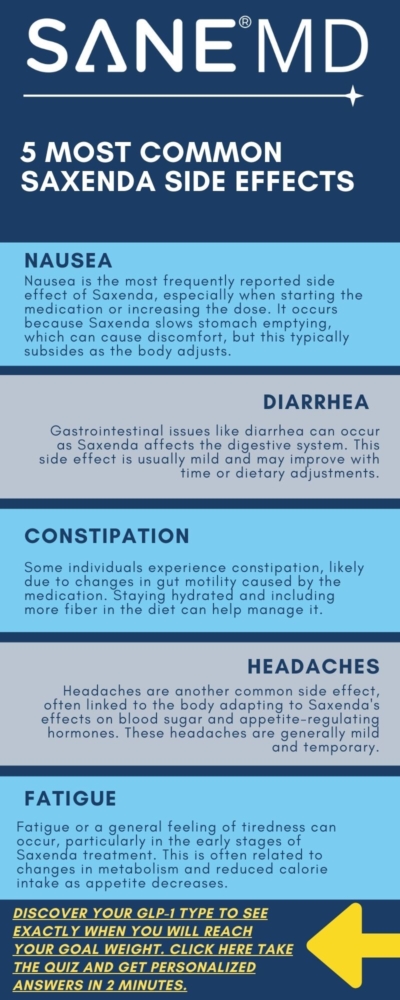
Saxenda, like many medications, can cause side effects, some of which are common and mild, while others may be more serious. Among the most common side effects reported are gastrointestinal issues, including nausea, vomiting, diarrhea, and constipation.
These symptoms often appear during the initial stages of treatment or after a dose increase and may diminish as the body adjusts to the medication. However, for some individuals, these effects can be persistent and may interfere with daily activities.
In addition to these common gastrointestinal side effects, Saxenda has been associated with more serious health risks. One of the notable safety considerations is the potential for thyroid tumors, including medullary thyroid carcinoma (MTC), a rare but serious form of thyroid cancer.
Though this risk has been observed in animal studies, it’s essential for users with a personal or family history of MTC or multiple endocrine neoplasia syndrome type 2 (MEN 2) to avoid Saxenda. Patients should be vigilant about any signs of thyroid-related issues, such as neck lumps, hoarseness, or difficulty swallowing, and report these symptoms immediately to a healthcare provider.
Another significant risk associated with Saxenda is pancreatitis, an inflammation of the pancreas. Signs of pancreatitis may include severe abdominal pain, persistent nausea, and vomiting. Pancreatitis can be a life-threatening condition, so anyone experiencing these symptoms should seek medical attention promptly.
Patients using Saxenda should maintain open communication with their healthcare provider, especially if they experience persistent or severe side effects. It’s recommended to consult a healthcare provider if common side effects worsen or do not improve over time.
Additionally, patients should alert their provider to any symptoms that might indicate serious complications, such as allergic reactions, i.e. Trouble breathing, severe abdominal pain, jaundice, or unusual symptoms affecting the thyroid.
By being aware of these potential side effects and consulting with a healthcare provider as needed, individuals can help manage any risks associated with Saxenda. Regular check-ins and monitoring are vital to ensure that any adverse effects are addressed early, helping to maintain a safe and effective weight management journey with Saxenda.
Lifestyle and Diet Modifications While on Saxenda
While Saxenda can be a promising tool in weight management, it works best when combined with lifestyle and dietary modifications. For optimal results, individuals are encouraged to adopt a balanced, lower-calorie diet and incorporate regular physical activity into their routines.
These lifestyle changes can not only enhance Saxenda’s effects but also foster long-term, sustainable weight loss and overall well-being.
Dietary Recommendations
A balanced diet focusing on whole foods is recommended for those using Saxenda. Emphasizing lean proteins, vegetables, legumes, and healthy fats can provide essential nutrients while helping to control calorie intake.
Reducing the intake of processed foods, refined sugars, and high-calorie snacks can also support weight loss goals and help prevent blood sugar spikes, which is particularly important for individuals with weight-related health conditions such as diabetes.
Regular Physical Exercise
Exercise is another critical component. Engaging in at least 150 minutes of moderate physical activity per week, as recommended by health guidelines, can boost metabolism, support cardiovascular health, and improve mood.
Activities like brisk walking, cycling, or swimming can complement Saxenda’s appetite-regulating effects by promoting calorie burn and enhancing overall fitness.
Healthy Habits
Beyond diet and exercise, maintaining healthy habits such as staying hydrated, getting adequate sleep, and managing stress can further support weight management efforts. Saxenda is not a standalone solution; it functions as part of a holistic approach to weight loss that relies on consistent, healthy habits.
Working closely with a healthcare provider or nutritionist can also provide personalized guidance, helping to align Saxenda use with a sustainable lifestyle that supports both weight loss and well-being.
Frequently Asked Questions
1. How long does it take to lose weight and see results with Saxenda?
Results with Saxenda vary based on one’s Weight Loss Drug Type and other factors, but most individuals begin to notice weight loss within the first few weeks to a few months, especially when combined with diet and exercise.
Clinical studies show that some users lose about 5-10% of their body weight within a year. Regular follow-ups with a healthcare provider help track progress and make any necessary adjustments.
2. Do I need to follow a special diet while taking Saxenda?
Although Saxenda helps reduce appetite, following a balanced, reduced-calorie diet can enhance its effectiveness. Healthcare providers often recommend a diet rich in vegetables, lean proteins, legumes, and healthy fats.
Avoiding high-sugar and processed foods can also support weight loss and help manage blood sugar levels.
3. Can I stop using Saxenda after reaching my weight loss goal?
Discontinuing Saxenda may result in some weight regain if dietary and exercise habits are not maintained. Saxenda is generally intended for long-term use to support weight management, but your healthcare provider will guide you on when and how to discontinue safely.
A gradual approach, rather than sudden cessation, is often recommended.
4. What should I do if I miss a dose of Saxenda?
In the case of a missed dose, you should take it as soon as you remember unless it’s almost time for your next dose. Do not take double or extra doses to make up for the missed one.
If you miss doses for more than three days, consult your healthcare provider to restart your dosage schedule safely.
5. Are there any serious risks associated with Saxenda?
While common side effects are generally mild, Saxenda carries some risks, including potential thyroid tumors and pancreatitis. Monitoring for symptoms like persistent abdominal pain or unusual lumps in the neck is important. Experiencing an allergic reaction to any of the ingredients is also a risk of taking any medication.
You should also avoid taking diabetes medications with Saxenda, as the combination may result in significantly low blood sugar.
Any serious or prolonged side effects should be reported to a healthcare provider promptly for evaluation.
Conclusion
Saxenda can be a valuable option for certain individuals managing obesity or weight-related health issues, helping to reduce appetite and support weight loss when combined with lifestyle changes. This article has covered how Saxenda works, its potential benefits, eligibility requirements, dosage, side effects, and supportive lifestyle habits.
However, Saxenda is not suitable for everyone, and its effectiveness and safety depend on proper use under medical supervision. Consulting a healthcare provider is essential for personalized advice on whether Saxenda is appropriate for your weight management goals and how to use it safely as part of a complete plan.

