
Oligopeptide-68 Skin Care: A Complete Informational Guide

Dr. Matthew Olesiak, MD, is the Chief Medical Director at SANESolution, a renowned wellness technology company dedicated to providing evidence-based solutions for optimal living. Dr. Olesiak earned his medical degree from the prestigious Jagiellonian University Medical College in Kraków, Poland, where he developed a strong foundation in medicine.
Introduction
Are you interested in skin brightening and pigmentation correction? This comprehensive guide is designed for those seeking effective, gentle solutions for uneven skin tone, dark spots, and melasma. Here, we cover the benefits, mechanisms, safety, and usage tips for Oligopeptide-68 for skin care – a standout ingredient in modern skin care. Oligopeptide-68 matters because it offers a gentle, effective alternative to traditional lightening agents, making it ideal for sensitive skin and those looking for gradual, irritation-free results. This guide covers how Oligopeptide-68 is used in skin care, its benefits, and what makes it effective for brightening and evening skin tone.
What Is Oligopeptide-68 in Skincare?
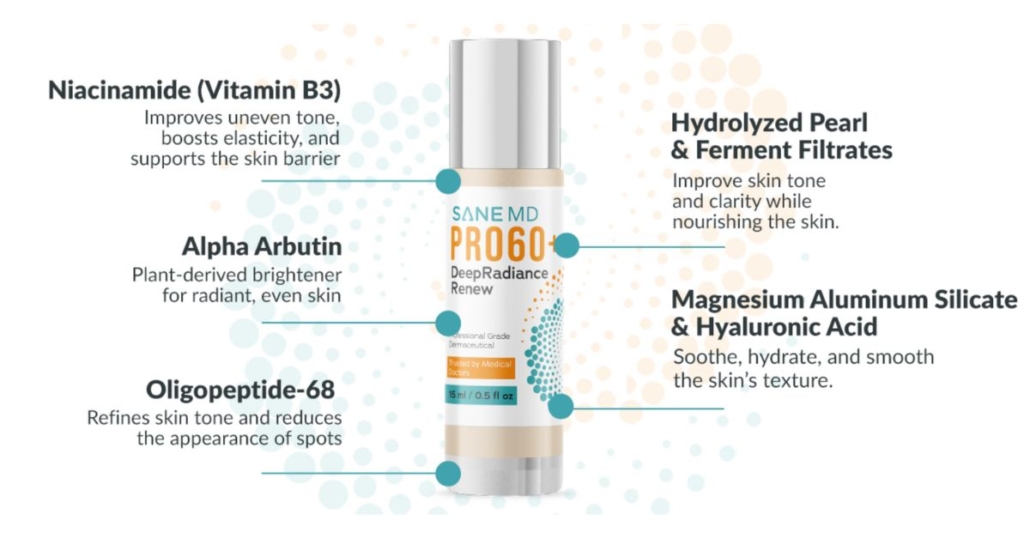
Oligopeptide-68 is a synthetic biomimetic peptide composed of specific amino acids. Oligopeptide-68 is a synthetic ingredient that can be produced in laboratory conditions, ensuring its purity and effectiveness. It is widely used in cosmetic products as a gentle skin-brightening agent. Manufacturers often encapsulate it to enhance delivery and effectiveness. This peptide is valued in cosmetics for its ability to improve skin appearance without aggressive action.
How Oligopeptide-68 Works on the Skin
Oligopeptide-68 works by inhibiting tyrosinase activity, the enzyme responsible for melanin synthesis. Oligopeptide-68 is a skin-brightening peptide that inhibits the MITF gene, which controls melanin production in skin cells. It targets melanocytes to reduce excess pigment production. This helps normalize skin tone and address both normal pigmentation and triggered responses from external factors.
Gentle brighteners like hexylresorcinol and oligopeptide-68 help inhibit melanin production without irritation.
This mechanism sets the stage for understanding what makes Oligopeptide-68 unique compared to other brightening agents.
The Unique Mechanism of Oligopeptide-68
The unique mechanism of oligopeptide-68 involves blocking key pathways that regulate melanocytes. It acts on multiple phases of pigment formation, offering a comprehensive approach. This dual action distinguishes it from many traditional agents, providing effective results with minimal irritation.
With this understanding of its mechanism, let’s explore the specific benefits Oligopeptide-68 offers for skin tone and radiance.
Benefits for Skin Tone and Radiance
Oligopeptide-68 supports even skin tone by reducing uneven pigment distribution. Regular use contributes to radiant skin and improved overall appearance. Many users report enhanced natural glow and bounce in their skin.
These benefits make Oligopeptide-68 a popular choice for those seeking gentle skin lightening, which is discussed in the next section.
Oligopeptide-68 for Skin Lightening
Skin lightening achieved with this peptide is gradual and gentle. It promotes lightening effects through targeted inhibition rather than harsh chemicals. Brightening serums and creams containing it are popular for tone improvement.
As we discuss skin lightening, it’s important to address how Oligopeptide-68 helps with specific concerns like dark spots and hyperpigmentation.
Addressing Dark Spots and Hyperpigmentation
Oligopeptide-68 helps reduce uneven skin tone by lightenindark spotsts caused by sun damage, hormonal changes, or aging. Dark spots caused by sun damage, inflammation, or aging respond to oligopeptide-68. It helps reduce hyperpigmentation by limiting melanin in localized areas. Consistent application in serums or lotions supports fading of these concerns.
Understanding its role in dark spot correction leads us to its effectiveness in treating melasma.
Oligopeptide-68 in Treating Melasma
Melasma is a common pigmentation issue often linked to hormonal changes. Oligopeptide-68 is effective in managing melasma by inhibiting overactive melanin production. It is frequently found in products designed for melasma treatment.
Combination approaches using oligopeptide-68 show promise for melasma. It addresses hormonal and environmental triggers safely. Melasma management often includes this peptide alongside sunscreen for protection.
With melasma and pigmentation issues in mind, let’s look at what causes these concerns.
Causes of Melasma and Pigmentation Issues
Melasma and other pigmentation problems can stem from hormonal fluctuations, sun exposure, and inflammation. Internal factors combined with UV rays activate melanocytes excessively. Understanding these causes helps select appropriate agents.
Now, let’s compare Oligopeptide-68 to other popular lightening agents.
Comparing Oligopeptide-68 to Hydroquinone
Hydroquinone has long been used for skin lightening but can cause irritation or other concerns. Oligopeptide-68 provides comparable lightening benefits with better safety profil Learn more in our dark spots on face treatment guide.e. Many prefer it over hydroquinone for gentle, effective action.
Studies indicate oligopeptide-68 may outperform hydroquinone in certain cases. It avoids common side effects associated with hydroquinone.
For a broader perspective, let’s see how it compares to another modern ingredient, tranexamic acid.
Oligopeptide-68 Versus Tranexamic Acid
Tranexamic acid works by reducing inflammation-driven pigment. Oligopeptide-68 directly targets tyrosinase. Both ingredients are safe and effective; their combination in products enhances results against pigmentation and melasma.
Safety is a top concern for many users, so let’s review the safety profile of Oligopeptide-68.
Safety and Side Effects of Oligopeptide-68
Oligopeptide-68 is considered safe for most skin types. Irritation is rarely reported, making it suitable for regular use. It is approved for inclusion in various cosmetic products.
Sensitive skin users will want to know how well Oligopeptide-68 is tolerated.
Suitability for Sensitive Skin Types
Sensitive skin tolerates oligopeptide-68 well due to its gentle nature. It supports skin barrier repair while addressing tone concerns. This makes it a preferred choice for those prone to irritation.
Hydration is another key factor in any effective skin care routine, especially when targetinpigmentationon.
Hydration and Skin Care
Hydration is a cornerstone of any effective skin care routine, especially for those with sensitive skin or concerns about uneven skin tone and dark spots. Keeping the skin well-hydrated helps reinforce the skin barrier, making it more resilient against irritation and environmental stressors. A strong skin barrier not only reduces the appearance of dark spots but also supports a more even, radiant complexion.
Key Hydrating Ingredients
For optimal skin lightening and brightening, look for cosmetic products that combine hydrating ingredients with targeted actives. Key hydrating ingredients include:
- Hyaluronic acid: Locks in moisture and supports collagen production, helping maintain skin’s bounce and youthful appearance.
- Glycerin: Draws water into the skin, ensuring long-lasting hydration and a plumper look.
Routine Recommendations
To address hyperpigmentation and melanin synthesis, ingredients such as:
- Diglucosyl gallic acid
- Tranexamic acid
can be especially effectiv Pairing with niacinamide benefits for skin can enhance results.e. These agents work by inhibiting the pathways that lead to excess pigment, helping to reduce the appearance of dark spots and promote a more uniform skin tone. When paired with a moisturizer, these ingredients can deliver both barrier repair and targeted lightening benefits.
A combination approach is key for best results:
- Start with a gentle cleanser.
- Apply a brightening serum containing peptides, vitamin C, or tranexamic acid to target pigmentation.
- Follow with a moisturizer rich in hyaluronic acid or glycerin to lock in hydration.
- Always finish your morning routine with a broad-spectrum sunscreen to protect against sun damage, which can worsen hyperpigmentation and undo your progress.
When selecting products, prioritize those with gentle, approved ingredients that are less likely to cause irritation. While hydroquinone is a well-known lightening agent, it can be harsh for sensitive skin. Instead, consider natural alternatives such as:
- Sugarcane extract
- Orange extract
- Ginger extract
- Lemon extract
which can help reduce inflammation and support a more even tone. Ingredients such as:
- Phenoxyethanol
- Disodium EDTA
are commonly used for product safety and stability, and are generally well-tolerated.
Always patch test new products and introduce them gradually, especially if you have sensitive skin or a history of irritation. If you’re unsure about which ingredients are best for your skin type, consult with a dermatologist or skincare professional for personalized advice.
By prioritizing hydration and using a thoughtful combination of serums, moisturizers, and sunscreen, you can reduce the appearance of dark spots, support your skin barrier, and achieve a radiant, even skin tone. With the right products and routine, your skin can look and feel its healthiest—glowing from within.
With hydration and barrier support in place, let’s focus on how Oligopeptide-68 is used in brightening serums.
Brightening Serums Containing Oligopeptide-68
Brightening serums are common vehicles for this peptide. Oligopeptide-68 is valued in serums and creams for its ability to improve skin tone and promote a more radiant appearance, and is often found in various cosmetic products designed for skin care, including serums, creams, and lotions. These serums deliver targeted lightening and radiance benefits. A brightening serum can be layered effectively in routines.
Many brightening serums pair it with supportive ingredients for optimal tone correction.
How to Layer Serums
- Apply Oligopeptide-68 serum after cleansing and before moisturizing.
- Layer with other serums, such as vitamin C or hyaluronic acid, for enhanced results.
- Always follow with sunscreen in the morning.
Supporting Ingredients
Effective combinations in serums and creams include:
- Hyaluronic acid for hydration
- Glycerin for moisture retention
- Squalane for lightweight nourishment
- Butylene glycol for improved texture and absorption
- Diglucosyl gallic acid for additional brightening
Preservatives and stabilizers such as:
- Phenoxyethanol
- Disodium EDTA
ensure product stability and safet Another effective brightening agent is alpha arbutin.y.
To maximize the benefits of Oligopeptide-68, sun protection is essential.
The Essential Role of Sunscreen
Sunscreen with adequate SPF is crucial to protect against sun damage that exacerbates melasma and pigmentation. Daily application prevents new dark spots while active ingredients work. Broad-spectrum sunscreen supports any lightening or brightening routine.
Beyond pigmentation, Oligopeptide-68 can also support skin structure.
Oligopeptide-68 and Collagen Support
This peptide contributes mildly to collagen production in some formulations. Peptides in general aid collagen for firmer, more resilient skin. Combined benefits support both tone and texture.
For those concerned with aging, other peptides may be more targeted.
Peptides for Aging Skin
While oligopeptide-68 excels in pigmentation correction, other peptides are often recommended as the best for aging skin focused on collagen boost. Certain peptides target wrinkles and loss of bounce more directly.
Oligopeptide-68 still helps with aging-related pigmentation changes.
If you have allergies or specific sensitivities, consider the following.
Who Should Approach Peptides Cautiously
Peptides are generally safe, but individuals with known allergies to specific amino acids or ingredients should monitor reactions. Rarely, mild irritation may occur. Those with certain skin conditions may consult professionals before use.
For best results, consider how to incorporate Oligopeptide-68 into your daily routine.
Morning Routine Tips
In the morning, apply a brightening serum containing oligopeptide-68 under moisturizer and sunscreen. This routine protects skin while addressing tone throughout the day.
Consistency is key, so let’s look at nighttime strategies.
Night Time Application Strategies
At night, use serum or cream formulations for deeper action during the skin’s repair phase. Consistency morning and night yields best results for pigmentation, melasma, and overall radiance.
