
Dark Spots on Face Home Remedies: 10 Natural Treatments That Actually Work

Dr. Matthew Olesiak, MD, is the Chief Medical Director at SANESolution, a renowned wellness technology company dedicated to providing evidence-based solutions for optimal living. Dr. Olesiak earned his medical degree from the prestigious Jagiellonian University Medical College in Kraków, Poland, where he developed a strong foundation in medicine.
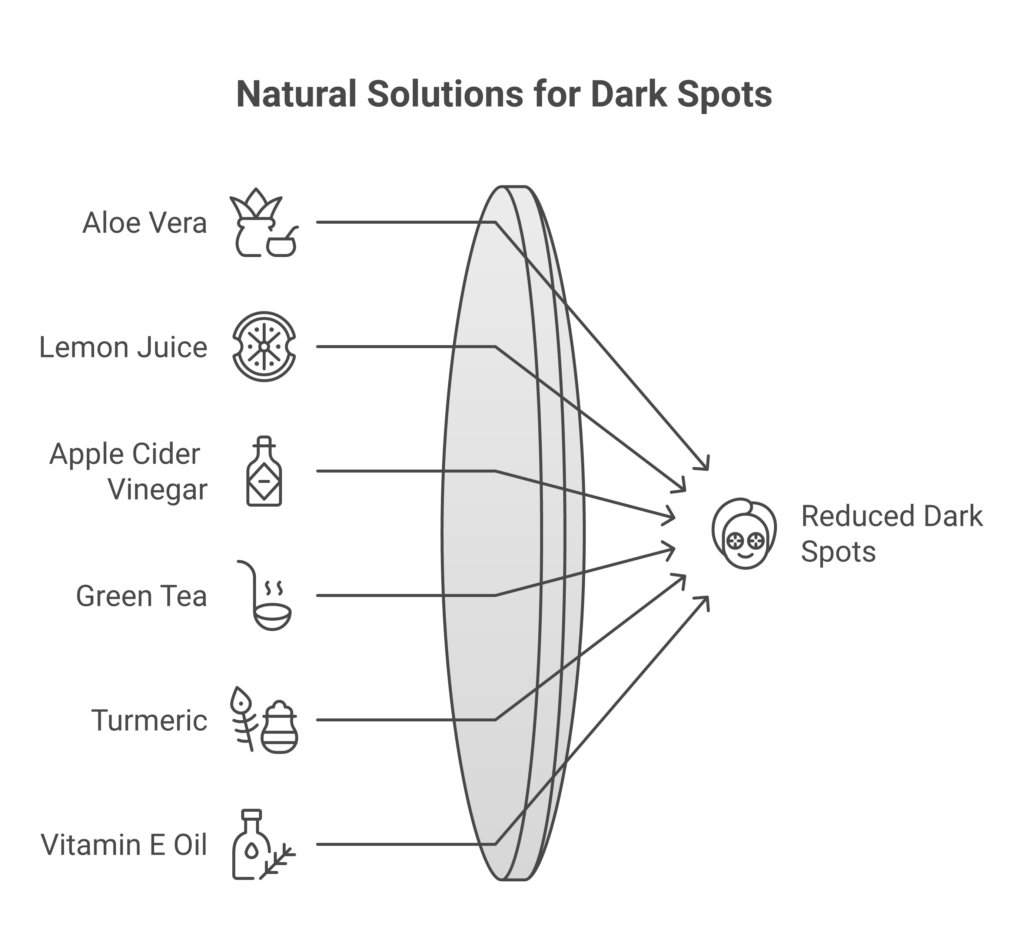
Several home remedies can genuinely help fade dark spots on your face, though the results take time and consistency. The most effective options backed by research include aloe vera (contains aloesin, which directly inhibits melanin production), turmeric (curcumin reduces melanin synthesis by up to 40% in lab studies), green tea extract (rich in EGCG, a potent antioxidant that disrupts pigment formation), and vitamin C-rich ingredients like papaya and tomato. Most of these natural remedies require 4 to 12 weeks of daily use before you’ll see a noticeable difference in skin tone. And here’s the reality check: none of them will work as fast as prescription treatments or chemical peels, but they’re gentler on your skin and far easier on your wallet.
Dark spots on the face (technically called hyperpigmentation) are a common cosmetic concern that affects people of every age and skin type. If you want to get rid of dark spots without harsh chemicals, several proven home remedies can help. They form when your skin produces excess melanin in specific areas, creating flat, darkened patches that range from light brown to nearly black. These dark marks can affect patches of skin on the cheeks, forehead, upper lip, and nose, resulting in an uneven skin tone that many people find distressing. While these dark marks are generally harmless, they can be frustrating to live with. The good news? Many natural remedies contain active ingredients that research supports for gradually fading hyperpigmentation and restoring a more even skin tone.
What Are Dark Spots and Why Do They Form?
Dark spots, also known as age spots, sun spots, or liver spots, are areas of skin pigmentation where melanocytes (the cells responsible for skin color) have gone into overdrive. Instead of distributing melanin evenly across your face, these cells concentrate pigment in localized clusters.
The most common causes include:
- Sun exposure and UV damage: UV light triggers melanocytes to produce more melanin as a protective response. Sun induced pigmentation is the most common form of hyperpigmentation. Years of cumulative sun damage lead to stubborn dark spots, especially on areas of the face frequently exposed to sunlight like the forehead, cheeks, and nose. This is the single most common cause of age spots and sun spots.
- Post inflammatory hyperpigmentation (PIH): After acne, cuts, burns, or other skin injuries heal, they can leave behind dark marks. Post acne marks are among the most common forms of PIH. PIH is particularly common in darker skin tones because melanocytes respond more aggressively to inflammation.
- Hormonal changes: Pregnancy, birth control pills, and hormone replacement therapy can trigger melasma, large dark patches that typically appear on the cheeks, forehead, and upper lip. This type of skin discoloration affects up to 50% of pregnant women, according to clinical data reviewed by the National Library of Medicine.
- Aging and cell turnover: As you get older, your skin’s natural ability to shed dead skin cells and regenerate slows down. Melanin accumulates in certain areas, and what were once barely visible spots become more obvious.
- Medications and underlying medical conditions: Certain drugs (including some antibiotics and anti-seizure medications) can increase photosensitivity, and conditions like Addison’s disease or kidney disease can cause widespread skin darkening across the entire body.
Understanding what’s causing dark spots on your face matters because it shapes which home remedies will actually help, and which ones you should skip. A dark spot from acne scarring responds differently than one caused by years of sun damage.
10 Home Remedies for Dark Spots on Face That Actually Work
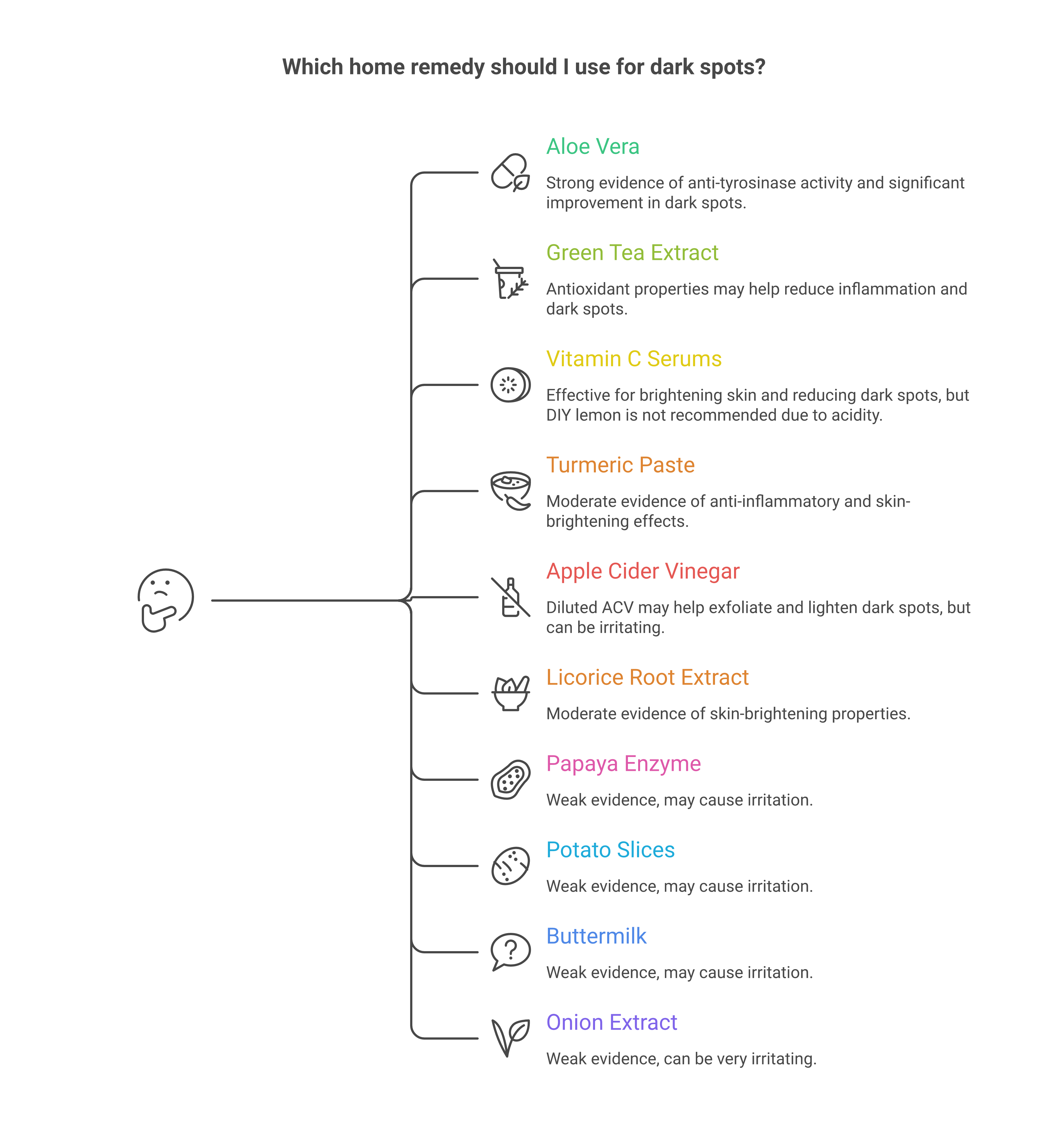
Not all home remedies are created equal. Some have solid research behind them, while others are mostly internet folklore. Here’s an honest breakdown of 10 natural remedies ranked by their evidence level, along with exactly how to use each one safely.
Aloe Vera Gel
Why it works: Aloe vera contains a compound called aloesin, which directly inhibits tyrosinase (the enzyme responsible for melanin production). A 2002 study published in Clinical and Experimental Dermatology found that aloesin applied topically four times daily reduced UV-induced pigmentation by 34% after 15 days. Pure aloe vera gel also has soothing and healing properties that calm inflamed skin, making it especially useful for post-inflammatory dark marks and acne scars.
How to use: Apply pure aloe vera gel directly to the affected areas on clean skin before bed. Leave it overnight and rinse with lukewarm water the next morning. For a stronger effect, mix aloe vera gel with a few drops of lemon juice (diluted 1:1 with water). Repeat daily for at least 6 to 8 weeks.
Caution: Use pure aloe vera gel without added fragrances or dyes. Always do a patch test on your inner forearm 24 hours before applying to your face. Some people experience contact dermatitis from aloe.
Turmeric
Why it works: The active compound in turmeric, curcumin, has been shown to suppress melanin synthesis by inhibiting tyrosinase activity. A 2011 study in Phytotherapy Research confirmed that curcumin significantly inhibits melanin content and tyrosinase activity in human melanocytes in a dose-dependent manner. Turmeric also has potent anti-inflammatory properties that help calm post-acne dark marks and reduce inflammation that triggers further skin pigmentation.
How to use: Mix 1 teaspoon of turmeric powder with 2 tablespoons of plain yogurt (which contains lactic acid for gentle exfoliation) and 1 teaspoon of raw honey. Apply the smooth paste to dark areas and leave for 15 to 20 minutes before rinsing with cool water. Use 2 to 3 times a week.
Caution: Turmeric can temporarily stain light skin a yellowish tint. Mixing it with yogurt or milk minimizes staining. Remove any residual color with a cotton pad dipped in micellar water or olive oil.
Green Tea Extract
Why it works: Green tea is packed with epigallocatechin gallate (EGCG), a polyphenol that inhibits melanin production and provides powerful antioxidant protection against UV damage. A study in the Journal of Drugs in Dermatology found that green tea extract applied topically reduced hyperpigmentation and improved overall skin tone in participants with sun spots. The catechins in green tea also help protect against the harmful effects of UV rays, potentially preventing new dark spots from forming.
How to use: Steep 2 green tea bags in 1 cup of boiling water for 5 minutes. Let the tea cool completely. Soak a cotton ball in the tea and apply it to dark spots twice a day, or press the cooled tea bags directly onto the pigmented areas for 10 minutes. You can also brew fresh black tea leaves and alternate with green tea for variety.
Caution: Green tea is one of the gentlest natural remedies on this list. It works well for sensitive skin and rarely causes irritation. However, results take longer, expect 8 to 12 weeks of consistent use.
Apple Cider Vinegar
Why it works: Apple cider vinegar contains acetic acid, which has a mild lightening effect on skin pigmentation. It also contains natural acids and trace minerals that can help gently exfoliate the top layer of skin, promoting cell turnover and gradually fading dark marks. Research on acetic acid’s skin-lightening properties is limited but promising.
How to use: Dilute apple cider vinegar with equal parts water, never apply it undiluted. Dip a cotton pad in the mixture evenly and dab it onto dark spots. Leave for 2 to 3 minutes before rinsing with cool water. Start with every other day to see how your skin tolerates it, then increase to twice a day if no irritation occurs.
Caution: This is one remedy where caution really matters. Undiluted apple cider vinegar can cause chemical burns and worsen hyperpigmentation. People with sensitive skin should dilute even further (1 part vinegar to 3 parts water) or avoid it entirely. If you notice redness, stinging, or dry skin, stop immediately. Always follow with moisturizer and sunscreen.
Vitamin C (From Citrus, Papaya, and Tomato)
Why it works: Vitamin C is one of the most well-researched skin brightening ingredients in dermatology. It inhibits tyrosinase, reduces existing melanin, and shields skin from UV-induced damage through its antioxidant properties. Papaya adds another layer. It contains papain, an enzyme that provides gentle exfoliation by dissolving dead skin cells. Tomatoes contain lycopene, a carotenoid that protects against sun damage and supports skin health from the inside out.
How to use (Papaya mask): Mash half a ripe papaya into a smooth paste. Apply a thin layer to clean skin, focusing on dark areas. Leave for 15 to 20 minutes before rinsing with lukewarm water. Use 3 times a week.
How to use (Tomato treatment): Blend a ripe tomato and apply the juice to dark spots with a cotton pad. Leave for 10 minutes before rinsing with cool water. Repeat daily.
Caution: Citric acid from lemon juice can make your skin photosensitive, meaning sun exposure after application can actually make dark spots worse. If you use any citrus-based remedy, always apply sunscreen afterward and avoid direct sunlight for several hours. People with sensitive skin may want to stick with papaya or tomato, which are less acidic.
Licorice Extract
Why it works: Licorice root extract contains glabridin, a compound that inhibits tyrosinase and prevents new melanin from forming without the irritation common with other skin lightening agents. A 1998 study in Pigment Cell Research found that glabridin inhibits tyrosinase and reduces UVB-induced pigmentation when applied topically at 0.5% concentration. Licorice extract is often used in commercial skin care products and topical creams as a gentler alternative to hydroquinone.
How to use: Look for licorice extract powder or liquid at health food stores. Mix 1 teaspoon of licorice extract with 1 tablespoon of aloe vera gel. Apply the mixture to dark spots and leave for 20 to 30 minutes before rinsing. Use daily for best results.
Caution: Licorice extract is well-tolerated by most skin types, including darker skin tones. However, people with active eczema or broken skin should avoid it until the area heals. Always patch test first.
Yogurt and Buttermilk (Lactic Acid)
Why it works: Yogurt and buttermilk are rich in lactic acid, an alpha-hydroxy acid that gently dissolves the bonds between dead skin cells, promoting cell turnover and gradually revealing fresher, more even skin underneath. Lactic acid is also a humectant, meaning it draws moisture into the skin while exfoliating, a combination that’s particularly beneficial for people with dry skin or those who find other exfoliating treatments too harsh.
How to use: Apply plain, unsweetened yogurt directly to dark spots as a face mask. Leave for 20 minutes before rinsing with cool water. For a targeted treatment, soak a cotton ball in buttermilk and dab it onto specific dark areas. Repeat daily or use as a weekly mask with 1 tablespoon of raw honey mixed in.
Caution: Lactic acid is one of the mildest natural acids, making yogurt and buttermilk suitable for almost every skin type. That said, if you have a dairy allergy, avoid these remedies entirely and opt for aloe vera or green tea instead.
Potato Juice
Why it works: Potatoes contain catecholase, an enzyme with mild bleaching properties, along with vitamin C and starch that can help lighten skin over time. While the scientific evidence for potato juice is less strong than for aloe vera or turmeric, anecdotal reports and preliminary research suggest it may provide a subtle lightening effect on superficial dark marks. Potatoes also contain azelaic acid, which is actually an active ingredient in several prescription treatments for hyperpigmentation.
How to use: Cut a raw potato into thin slices and rub them directly on dark spots for 5 to 10 minutes, or grate a potato and squeeze out the juice. Apply the juice to the affected areas with a cotton pad and leave for 15 to 20 minutes before rinsing. Repeat daily.
Caution: Potato juice is extremely gentle and carries virtually no risk of irritation. However, set realistic expectations. This is one of the milder remedies on this list and won’t produce dramatic results on deeply pigmented areas or stubborn dark spots.
Red Onion Extract
Why it works: Red onions contain quercetin and other flavonoids commonly found in the outer skin layers that have shown tyrosinase-inhibiting activity. A randomized controlled study published in Dermatologic Surgery tested an onion extract gel and found that subjects reported softer scars and improved skin appearance within two weeks of daily application. The extract works as a natural bleaching agent that can help fade both acne scars and sun spots gradually.
How to use: Blend the outer skin of 2 to 3 red onions with a small amount of water. Strain the mixture and apply the liquid to dark spots using a cotton pad. Leave for 10 minutes before rinsing with lukewarm water. Use 3 to 4 times a week.
Caution: The smell is strong and can linger. If the mixture causes stinging or redness, dilute further with water. Avoid applying near the eyes.
Sandalwood and Rosehip Oil
Why it works: Sandalwood has been used for centuries in Ayurvedic skin care for its skin brightening and anti-inflammatory properties. It contains santalol, which research suggests may inhibit tyrosinase activity. Rosehip oil is rich in vitamin C and vitamin A (retinoids), both proven to promote cell turnover, reduce inflammation, and fade dark patches over time. The combination of sandalwood and rosehip addresses multiple pathways involved in skin pigmentation.
How to use: Mix 1 tablespoon of sandalwood powder with enough rosehip oil to form a smooth paste. You can also mix sandalwood with rose water for a lighter alternative that works well in warmer months. Apply a thin layer to dark spots and leave for 20 to 30 minutes before rinsing with cool water. Use 2 to 3 times a week.
Caution: Use genuine sandalwood powder. Many products on the market are adulterated. People allergic to tree nuts should patch test sandalwood carefully. Rosehip oil may clog pores in acne-prone skin, so use sparingly.
Home Remedy Comparison: Evidence Level, Timeline, and Safety
| Remedy | Key Active Compound | Evidence Level | Expected Timeline | Best For | Risk Level |
|---|---|---|---|---|---|
| Aloe Vera | Aloesin | Moderate (human studies) | 6-8 weeks | All dark spot types | Very Low |
| Turmeric | Curcumin | Moderate (cell + animal studies) | 8-12 weeks | PIH, acne scars | Low |
| Green Tea | EGCG | Moderate (human + lab studies) | 8-12 weeks | Sun spots, prevention | Very Low |
| Apple Cider Vinegar | Acetic acid | Limited (mostly anecdotal) | 8-12 weeks | Mild sun spots | Moderate |
| Vitamin C (Papaya/Tomato) | Ascorbic acid, papain, lycopene | Strong (extensive research) | 4-8 weeks | Sun damage, age spots | Low |
| Licorice Extract | Glabridin | Strong (clinical studies) | 4-8 weeks | Melasma, darker skin tones | Very Low |
| Yogurt / Buttermilk | Lactic acid | Moderate (well-studied acid) | 6-10 weeks | Gentle exfoliation, dull skin | Very Low |
| Potato Juice | Catecholase, azelaic acid | Limited (preliminary) | 10-12 weeks | Mild surface spots | Very Low |
| Red Onion Extract | Quercetin | Moderate (clinical studies) | 8-12 weeks | Scars, PIH | Low |
| Sandalwood + Rosehip | Santalol, retinoids | Limited to Moderate | 8-12 weeks | Overall brightening | Low |
How to Safely Use Natural Remedies for Dark Spots
Hyperpigmentation is a skin condition that responds well to consistent, gentle care, but using home remedies incorrectly can make dark spots worse or create entirely new problems. Whether you have oily skin, dry skin, or a combination, the approach matters as much as the ingredients. Follow these guidelines to treat hyperpigmentation safely and integrate natural remedies into your existing skincare routine.
Always Patch Test First
Before applying any new ingredient to your face, test it on a small area of skin on your inner forearm or behind your ear. Apply the remedy, wait 24 hours, and check for redness, itching, swelling, or irritation. If your skin tolerates the ingredient without any reaction, it’s generally safe to use on your face. This step is especially critical if you have sensitive skin or a history of allergic reactions.
Start Slow and Build Gradually
More is not better with natural remedies. Start with the mildest option (aloe vera or green tea) and use it every other day for the first week. If your skin handles it well, increase to daily application. Only introduce one new remedy at a time. Combining multiple active ingredients simultaneously makes it impossible to identify what’s working and what might be causing irritation.
Apply to Clean Skin
Wash your face with a gentle cleanser before applying any remedy. Dirt, oil, and dead skin cells on the surface act as barriers that prevent natural ingredients from penetrating effectively. For masks and leave-on treatments, apply to clean skin and avoid irritation by not scrubbing aggressively when rinsing off.
Be Consistent and Patient
The biggest mistake people make with home remedies is giving up too soon. Your skin’s natural cell turnover cycle takes approximately 28 days, meaning you need at least one full cycle before you can fairly judge whether a remedy is working. Most natural remedies require 4 to 12 weeks of consistent, daily use to produce visible fading. Keep a photo diary to track subtle changes that are hard to notice in the mirror.
Natural Ingredients to Be Cautious With
Not every popular “remedy” circulating on social media deserves a place in your skin care routine. Some can actively harm your skin or worsen dark spots.
Lemon Juice (Undiluted)
Lemon juice shows up in nearly every home remedy list, but using it undiluted is a real risk. The citric acid in lemon juice has a pH around 2, acidic enough to disrupt your skin’s protective barrier and cause chemical burns. Worse, lemon juice causes photosensitivity (increased sensitivity to sunlight), which means sun exposure after application can darken the very spots you’re trying to fade. If you choose to use lemon juice, always dilute it 1:1 with water, never leave it on for more than 5 minutes, and apply broad spectrum sunscreen with SPF 30 or higher immediately afterward.
Baking Soda
Despite its popularity on Pinterest, baking soda has a pH of approximately 9, far too alkaline for facial skin, which sits around pH 4.5 to 5.5. Regular use disrupts the acid mantle, strips natural oils, and can cause dryness, irritation, and increased vulnerability to sun damage. There is zero scientific evidence supporting baking soda for fading dark spots.
Toothpaste
Toothpaste contains ingredients like sodium lauryl sulfate, hydrogen peroxide, and menthol that are formulated for teeth enamel, not facial skin. Applying toothpaste to dark spots can cause contact dermatitis, burns, and worsen pigmentation. Skip this one entirely.
Harsh Physical Scrubs
Sugar scrubs, salt scrubs, and walnut shell exfoliants can create micro-tears in the skin that trigger inflammation. And inflammation is precisely what causes post-inflammatory hyperpigmentation in the first place. If you want to remove dead skin cells, stick with gentle chemical exfoliation through lactic acid (yogurt) or papain (papaya) rather than abrasive physical scrubs.
The #1 Way to Prevent New Dark Spots: Sun Protection
Sun protection is the crucial step that makes every other effective treatment on this list actually work. UV exposure is the primary driver of melanin production, and even 15 minutes of unprotected sun exposure can darken existing spots and trigger new ones. Sun protection isn’t just one step in your routine. It’s the foundation that every other treatment depends on.
Here’s what effective sun protection looks like:
- Wear broad spectrum sunscreen with SPF 30 or higher every single day, even on cloudy days, even in winter. UV rays penetrate clouds and windows. Reapply every 2 hours if you’re outdoors, and immediately after swimming or sweating.
- Wear protective clothing: A wide-brimmed hat shields your forehead, cheeks, and nose from direct sun exposure. Sunglasses with UV protection prevent darkening around the eyes.
- Avoid peak hours of sun exposure: UV radiation is strongest between 10 AM and 2 PM. Schedule outdoor activities outside this window when possible.
- Use tinted sunscreen with iron oxide: According to the American Academy of Dermatology, tinted sunscreens protect against both UV rays and visible light, which can also worsen hyperpigmentation, especially those with darker skin tones.
- Protect against harmful UV rays indoors too: UVA rays pass through glass. If you sit near a window at work, apply sunscreen to your face daily regardless.
Without consistent sun protection, every home remedy you try is fighting a losing battle. Think of sunscreen as the single most important anti-dark-spot product you own.
When Home Remedies Aren’t Enough: Professional Treatment Options
Home remedies are a reasonable first step for mild to moderate dark spots, but they have limits. Hyperpigmentation caused by deep dermal melanin deposits or chronic hormonal fluctuations often needs stronger intervention. If you’ve used natural remedies consistently for 3 months without visible improvement, or if your spots are deep, widespread, or getting darker, professional treatment options may be necessary.
A dermatologist can offer treatment options that work faster and penetrate deeper than any kitchen ingredient:
- Chemical peels: Professional-grade glycolic acid or salicylic acid peels remove the top layers of pigmented skin, revealing more even skin underneath. Superficial peels can reduce dark marks by 30 to 50% in a series of 3 to 6 treatments.
- Prescription topical treatments: Hydroquinone (2-4%), tretinoin, and azelaic acid are among the most effective topical treatments for hyperpigmentation. Prescription retinoids are significantly stronger than over the counter options and can produce results in 4 to 8 weeks.
- Laser treatment and laser therapy: Intense pulsed light (IPL) and fractional laser treatment target melanin deposits directly. These procedures typically require 2 to 6 sessions, with results that often surpass what any topical cream or home remedy can achieve.
- Microneedling: Creates controlled micro-injuries that stimulate collagen production and promote cell turnover, helping the skin naturally shed pigmented cells. Often combined with vitamin C or tranexamic acid for enhanced results.
You should also see a dermatologist if any spot changes in size, shape, color, or borders, or if a dark area starts bleeding, itching, or feels raised. These can be signs of something more serious than cosmetic hyperpigmentation and should be evaluated promptly.
Supporting Skin Health From the Inside Out
What you eat directly impacts your skin’s ability to repair damage and maintain an even complexion. While topical treatments address dark spots from the outside, the right nutrients support skin health and your skin’s natural healing processes from within.
Eating antioxidant rich foods helps neutralize free radicals that contribute to melanin overproduction and oxidative stress on skin. Focus on:
- Vitamin C-rich foods: Bell peppers, strawberries, kiwi, and citrus fruits. Vitamin C supports collagen production and can effectively lighten skin from the inside.
- Vitamin E-rich foods: Almonds, sunflower seeds, avocados, and spinach. Vitamin E works synergistically with vitamin C to protect against sun damage.
- Foods high in beta-carotene: Sweet potatoes, carrots, and dark leafy greens provide natural sun protection and support your skin’s natural radiance.
- Omega-3 fatty acids: Salmon, walnuts, and flaxseed reduce inflammation that triggers post-inflammatory hyperpigmentation.
Drinking enough water also helps. Hydrated skin recovers faster, maintains a healthier barrier, and reflects light better, all of which contribute to a more even skin tone and natural glow.
Frequently Asked Questions About Dark Spots on Face Home Remedies
What is the fastest home remedy for dark spots on the face?
Vitamin C-based treatments (papaya masks, tomato juice) and aloe vera gel tend to show the earliest visible results, typically within 4 to 6 weeks. However, no home remedy produces overnight results. Products marketed as overnight dark spot removers are misleading. Melanin reduction is a gradual biological process that requires time. For faster results, pairing a home remedy with a dark spot corrector containing niacinamide or vitamin C can speed things up.
Can I get rid of dark spots on my face permanently at home?
Home remedies can significantly fade dark spots, but whether they disappear permanently depends on the cause. Spots from a one-time event (like a healed pimple) can fade completely with consistent treatment and sun protection. Spots causeed by ongoing triggers like chronic sun exposure, hormonal fluctuations, or an underlying medical condition may return unless you address the root cause. Sun protection is the single most important factor in preventing recurrence after fading.
Does aloe vera actually remove dark spots?
Yes, there is legitimate scientific support for aloe vera’s ability to lighten dark spots. Aloesin, a compound found in aloe vera, has been shown in published research to inhibit tyrosinase and reduce hyperpigmentation. Aloe vera juice and pure aloe vera gel applied consistently can produce meaningful improvement in skin tone, though it works best on newer, lighter spots rather than deep or long-standing pigmentation. It won’t replace professional treatments for severe cases.
Is lemon juice safe for dark spots?
Lemon juice is effective at lightening skin in theory, but it carries real risks when used improperly. Undiluted lemon juice is too acidic for facial skin (pH ~2) and causes photosensitivity, meaning your skin burns more easily and dark spots can actually get darker with sun exposure afterward. If you use it, always dilute 1:1 with water, limit application to 5 minutes, and never go outside without sunscreen. Safer alternatives that provide similar vitamin C benefits include papaya and niacinamide.
Which vitamin is best for treating dark spots?
Vitamin C is the most effective vitamin for dark spots. It inhibits melanin production, reverses existing pigmentation, and protects against further sun damage through its antioxidant activity. A 2017 review in the Journal of Clinical and Aesthetic Dermatology found that topical vitamin C inhibits melanogenesis by interrupting key steps in the pigment synthesis pathway. Concentrations between 10% and 20% show the strongest clinical results for reducing hyperpigmentation over 8 to 12 weeks of consistent use. Niacinamide (vitamin B3) is a close second. It blocks melanin transfer to skin cells and is better tolerated by people with sensitive skin.
How long do home remedies take to fade dark spots?
Most home remedies require 4 to 12 weeks of consistent daily use to produce noticeable results. The exact timeline depends on several factors: the depth of the pigmentation (deeper spots take longer), your skin type and cell turnover rate, how consistently you apply the remedy, and whether you’re protecting your skin from sun exposure. Superficial spots from recent acne may fade in 4 to 6 weeks, while deep age spots from years of sun damage might take 3 to 6 months with home remedies alone.
Do home remedies work differently on darker skin tones?
Yes, and this distinction matters. People with darker skin tones have more active melanocytes that respond more aggressively to inflammation and irritation. This means harsh remedies (undiluted lemon juice, apple cider vinegar, aggressive scrubbing) are more likely to cause post-inflammatory hyperpigmentation and make spots worse. The safest home remedies for darker skin tones are aloe vera, licorice extract, green tea, and yogurt-based treatments, all of which offer skin brightening without significant irritation risk. Avoid hydroquinone-based over the counter products without professional guidance, as prolonged use can cause paradoxical darkening (ochronosis) in melanin-rich skin.
Building a Daily Routine to Fade Dark Spots
Rather than trying every remedy at once, build a simple daily skin care routine that incorporates one or two of the treatments above alongside proper sun protection:
Morning routine:
- Cleanse with a gentle, pH-balanced face wash
- Apply green tea toner (cooled brewed tea) to the entire face with a cotton ball
- Apply your regular moisturizer
- Finish with broad spectrum sunscreen, SPF 30 or higher
Evening routine:
- Cleanse thoroughly to remove sunscreen and impurities
- Apply pure aloe vera gel or licorice extract serum to dark spots
- Apply moisturizer to the entire face
Weekly treatments (2-3 times per week):
- Turmeric and yogurt mask (15-20 minutes)
- Papaya mask for gentle exfoliation (15-20 minutes)
This approach gives you daily lightening treatment, consistent sun protection, and periodic exfoliation to promote cell turnover, all working together toward clearer, more glowing skin, all without overwhelming your skin. Once you find what works for your skin type and particular type of dark spots, stick with it for at least 8 weeks before switching to a different approach.
If home remedies aren’t providing the results you want after 3 months of consistent use, consider consulting a dermatologist. Professional treatments like chemical peels, prescription retinoids, or laser therapy can be combined with your home routine for significantly faster results. And for those over 50 dealing with accumulated age spots and sun damage, a dermatologist can create a customized treatment plan that addresses both existing spots and prevention of new ones.

