
Hydrolyzed Pearl: Your Guide to This Amazing Beauty Secret

Dr. Matthew Olesiak, MD, is the Chief Medical Director at SANESolution, a renowned wellness technology company dedicated to providing evidence-based solutions for optimal living. Dr. Olesiak earned his medical degree from the prestigious Jagiellonian University Medical College in Kraków, Poland, where he developed a strong foundation in medicine.
Hydrolyzed Pearl
Hydrolyzed pearl powder is making waves in skin care. This fine powder comes from real pearls and is used in many beauty products for its skin benefits. For those interested in natural skincare and beauty routines, hydrolyzed pearl powder offers a unique blend of tradition and science. This guide is designed for anyone seeking to enhance their skincare regimen with natural ingredients, whether you’re a beauty enthusiast, a holistic wellness advocate, or simply curious about time-tested beauty secrets. We’ll cover what hydrolyzed pearl is, its benefits, how to use it, and how to choose quality products—so you can make informed decisions about adding this centuries-old beauty secret, now backed by modern science, to your routine. As a centuries-old beauty secret now supported by research, hydrolyzed pearl powder matters because it bridges the gap between ancient wisdom and modern skincare innovation.
What Is Hydrolyzed Pearl?
Hydrolyzed pearl is pearl powder that has been processed using enzymes or acids to break it down into bioavailable peptides, amino acids, and minerals, making it more easily absorbed by the skin. Hydrolyzed pearl powder is made by grinding natural pearls into a fine powder and then hydrolyzing them using enzymes or acids to produce bioavailable peptides, amino acids, and minerals. Hydrolyzed Pearl Powder is made by refining high quality freshwater pearls grown in pearl farms. The resulting powder has a gritty, sticky consistency and is approximately 5 microns in size.
Hydrolyzed pearl is primarily used as a skin-conditioning agent in skincare and makeup products such as brightening serums and anti-aging products. Its main uses in skincare include supporting skin rejuvenation, calming irritated skin, and enhancing the skin’s natural glow. It is especially valued for its anti-aging properties, as it is believed to enhance collagen production, which is essential for skin elasticity and reducing the appearance of wrinkles and fine lines. Hydrolyzed pearl powder contains calcium, protein, and amino acids, all of which are essential for skin health.
In addition to its use in serums and creams, hydrolyzed pearl powder can be found in various cosmetic formulations such as shampoos, lotions, and face masks. It is particularly effective in face masks to reduce the size of large pimples and scars, making it a versatile ingredient for those with acne-prone skin. However, it is important to note that hydrolyzed pearl powder is used for formulations only and is not smooth enough for use in mineral makeup. It is also not vegan, as it is derived from real pearls.
Hydrolyzed Pearl Powder is generally considered safe to use, but a patch test is recommended before topical application to ensure there are no adverse reactions, especially for those with sensitive skin.
Now that you know what hydrolyzed pearl is and its primary uses, let’s take a look at its fascinating history in beauty.
The History of Pearl Powder in Beauty
Pearl powder has a long past. Traditional Chinese medicine used it for thousands of years. Queens and empresses put it on their faces. They wanted that dewy glow pearls give.
In Chinese medicine, pearl helps more than just beauty. People took it for health too. They thought it could cure many problems. Today, we know it really does help skin and body health.
Now, modern science shows why it works. The nutrients in pearl powder are real. They do good things for your skin. This old beauty secret is backed by new research.
Now that we understand its history, let’s explore what makes hydrolyzed pearl unique.
Composition and Properties of Hydrolyzed Pearl
Hydrolyzed pearl powder is a unique beauty ingredient crafted from freshwater pearls, transformed into a fine, white powder through a careful hydrolysis process. This process breaks down the pearl’s structure, making the powder easily absorbed by skin cells and unlocking its full potential for skin health.
Amino Acids and Minerals
The composition of hydrolyzed pearl powder is what sets it apart. It contains about 31% calcium, which supports strong skin, teeth, and bones, and helps maintain a healthy, even skin tone. Around 56% of the powder is protein, and 13% is made up of amino acids—many of which are essential for collagen production and skin elasticity. These essential amino acids are the building blocks your skin needs to stay firm, smooth, and youthful, helping to reduce the appearance of wrinkles and age spots. Trace minerals like magnesium and zinc are also present, offering additional benefits for sensitive skin and helping to soothe irritation and redness.
Particle Size and Absorption
The fine powder, with a particle size of about 5 microns, ensures that it is easily absorbed, delivering nutrients deep into the skin for maximum effect. However, hydrolyzed pearl powder has a gritty, sticky consistency and is not smooth enough for use in mineral makeup. It is best used in cosmetic formulations such as face masks, creams, lotions, and oils, allowing you to customize your skincare routine for your unique needs.
Traditional and Modern Uses
In traditional Chinese medicine, pearl powder has been treasured for centuries for its ability to promote health, beauty, and a dewy glow. Its high calcium content, combined with essential amino acids and minerals, supports not only the skin but also hair and overall health. The anti-aging benefits of hydrolyzed pearl powder are well-known, as it helps to boost collagen production, enhance skin elasticity, and protect against environmental stressors with its antioxidant properties.
Safety and purity are key when it comes to hydrolyzed pearl powder. Rigorous testing and quality control ensure that each batch is free from contaminants and maintains its beneficial properties. The powder’s topical usage rate can be adjusted to suit your skin’s needs, making it suitable for all skin types, including sensitive skin.
Whether you use hydrolyzed pearl powder as a face mask, mix it into your favorite creams and lotions, or blend it with oils for extra moisture, you’ll notice your skin becoming softer, more radiant, and more even in tone. Its ability to lock in moisture, reduce acne, and improve the overall complexion makes it a must-have for anyone seeking a natural, effective way to achieve healthy, glowing skin.
With a clear understanding of its composition and properties, let’s move on to the key benefits hydrolyzed pearl offers for your skin.
Key Benefits of Hydrolyzed Pearl for Skin
Hydrolyzed pearl has many benefits for your skin. Let’s look at what this wonderful powder can do.
Makes Your Skin Glow
- Pearl powder gives you radiant skin and adds a natural shine that looks healthy.
- Your complexion gets brighter with regular use, as the white powder reflects light in a soft way.
- Many people see a dewy glow after using it because pearl helps skin cells work better, making your skin look fresh and young.
Fights Signs of Aging
- Hydrolyzed pearl boosts collagen production, which helps with wrinkles and fine lines.
- Your skin gets firmer over time, and age spots can fade with regular use.
- The minerals help even skin tone, and skin elasticity improves.
- Pearl extracts have antioxidants that fight damage from the sun and pollution, slowing down aging and improving your overall appearance.
Helps with Acne
- Pearl powder can help with acne problems by calming irritated skin.
- The calcium carbonate in it dries up extra oil, leading to fewer breakouts.
- It also helps heal acne scars, as the amino acids support skin cell repair.
- Even sensitive skin can use it safely, but always do a patch test first.
Adds Moisture
- Dry skin loves hydrolyzed pearl because it helps skin hold moisture better.
- The trace minerals feed your skin, making it soft and smooth.
- You can mix pearl powder with oils for extra hydration or add it to lotions and creams to boost their effectiveness.
Makes Skin Silky Smooth
- Pearl powder acts like a gentle polish for your face, helping dead skin cells come off easier.
- New, soft skin shows through, making your skin feel silky and wonderful.
- Use it on your neck and body too—anywhere you want silky skin, as the fine powder won’t scratch or hurt.
Now that you know the benefits, let’s see how you can use hydrolyzed pearl powder in your daily routine.
How to Use Hydrolyzed Pearl Powder
There are many ways to use pearl powder. You can create your own beauty products or add it to ones you already have. Here are some ideas:
- Make a Face Mask: Mix pearl powder with honey for a great face mask. Add a little water to make a paste, apply to clean skin, wait 15 minutes, then rinse off. You can also mix it with yogurt or tea (green tea and pearl make a good mix) for added anti-aging benefits. Use this face mask twice a week.
- Add to Your Creams: Put a little pearl powder in your creams—just a small quantity in your hand. Mix it with your regular cream to boost the benefits of any product. Many people prefer to add it to night creams for overnight repair.
- Create a Body Scrub: Mix pearl powder with oils for a body scrub. Add some sugar or sand for texture. Use it in the shower once a week to help with rough spots and make your skin silky all over.
- Use in Makeup: Pearl powder can be added to foundation for glow or mixed with powder for shine control. Some people use it alone as a finishing powder for a natural, soft look. Note: Hydrolyzed pearl powder is not smooth enough for use in mineral makeup.
- Make Pearl Soap: Add pearl to homemade soap or sprinkle it on regular soap for daily benefits every time you wash.
With these usage ideas, you can easily incorporate hydrolyzed pearl powder into your beauty routine. Next, let’s discuss its safety and what you should know before using it.
Is Pearl Powder Safe?
Most people can use pearl powder with no problems. But let’s talk about safety to be sure.
Is Pearl Powder Safe for Kidneys?
Pearl powder is usually safe for kidneys. The calcium amount is not too high. But if you have kidney disease, ask your doctor first. They know what’s best for you.
People with healthy kidneys don’t need to worry. The body knows how to handle the minerals. Just don’t take huge amounts. Follow the directions on any product you use.
What Are the Side Effects of Pearl Powder?
- Most people have no side effects, but some might see small problems at first.
- Some people get dry skin if they use too much. Start with a small quantity and increase slowly to help your skin get used to it.
- A few people might be allergic. Do a patch test first: put a little on your arm and wait a day to see if anything happens. If your skin is fine, you can use it on your face.
- Taking too much by mouth might upset your stomach. Stick to recommended amounts. More is not always better. A good product will tell you how much to use.
Now that you know it’s generally safe, let’s look at how to choose a quality hydrolyzed pearl product.
Choosing Quality Hydrolyzed Pearl
Not all pearl powder is the same. You want hydrolyzed pearl purity. Here’s how to shop smart.
Look for Real Pearl
- Make sure it’s from real pearls. Some products use shells instead, but real pearl has more benefits.
- Check that it says “100% pearl” on it.
- Freshwater pearls work great and have lots of nutrients. Ocean pearls are good too.
Check the Powder Quality
- Good hydrolyzed pearl powder is very fine and should be pure white powder with no chunks or gritty bits.
- Look for “hydrolyzed” on the label, which means it’s been processed right. Regular pearl powder won’t work as well for skin absorption.
Read About Testing
- A good product tells you about testing, such as “freshwater tyrosine assay” info, which shows the amino acid content. Higher amounts mean better quality.
- The topical usage rate matters too. This tells you how much to use on skin. Good products give clear directions for safe use.
Consider the Source
- Where pearls come from matters. Clean water makes better pearls. Ask where the pearls were grown.
- Some prefer organic or sustainable pearls, which are better for the earth and often better quality.
With these tips, you can confidently choose a high-quality hydrolyzed pearl powder. Next, let’s talk about how much to use for different applications.
How Much to Use
The right quantity depends on what you’re doing. Here’s a guide to help you.
For Face Masks
- Use about one teaspoon for your face. You might need to decrease quantity for just problem areas.
- Add more liquid if it’s too thick. The mixture should spread easily.
In Creams and Lotions
- Add just a pinch to your daily amount. Too much can make cream chalky.
- Start small and add more if needed. You’ll learn what works for you.
For Supplements
- Follow the package directions. Usually it’s 1/4 to 1/2 teaspoon daily.
- You can mix it in food or drinks. Some people prefer capsules for easy dosing.
Topical Usage Rate
- Most products say use 1-5% in formulas. This means a little goes far.
- For example, one teaspoon in a cup of cream gives benefits without waste.
Now that you know how much to use, let’s look at the essential amino acids in pearl powder.
Essential Amino Acids in Pearl
Pearl has essential amino acids your body needs. These are the building blocks of health. Your skin uses them to stay strong. Let’s see what’s in there.
- Pearl has 18 different amino acids. Some help make collagen, while others help skin cells grow.
- The calcium works with amino acids, creating a special combo that helps your body use both better.
- Trace minerals add to the power: copper helps with healing, magnesium calms skin, and every mineral has a job to do.
With these nutrients, hydrolyzed pearl powder supports healthy, resilient skin. Here are some tips to get the best results.
Tips for Best Results
Get the most from hydrolyzed pearl with these tips:
- Always start with clean skin. Pearl works better on fresh faces. Remove all makeup first and pat skin dry gently.
- Be patient for results. Some benefits show up fast, while others take weeks. Keep using it daily for best effects.
- Store your pearl powder in a cool, dry place. Heat and moisture can hurt it. Keep the lid tight to keep it fresh longer.
- Additionally, drink lots of water. This helps your skin use the nutrients. Good hydration makes pearl work better.
Now you’re ready to make hydrolyzed pearl part of your routine.
Making Pearl Part of Your Routine
Adding pearl to your life is easy. Start with one way to use it—maybe a weekly face mask or add it to your night cream.
Once you see benefits, try more ways. Many people use it daily, both inside and outside, for the most benefits.
Remember that everyone is different. What works for one might not for another. Try different ways to find what you prefer. Your perfect routine is out there.
Conclusion
Hydrolyzed pearl powder is a wonderful beauty tool. From anti-aging benefits to acne help, it does so much. This white powder holds centuries of beauty wisdom.
Whether you want radiant skin or silky hair, pearl can help. It’s safe for most people to use. Just start slow and see how your skin responds.
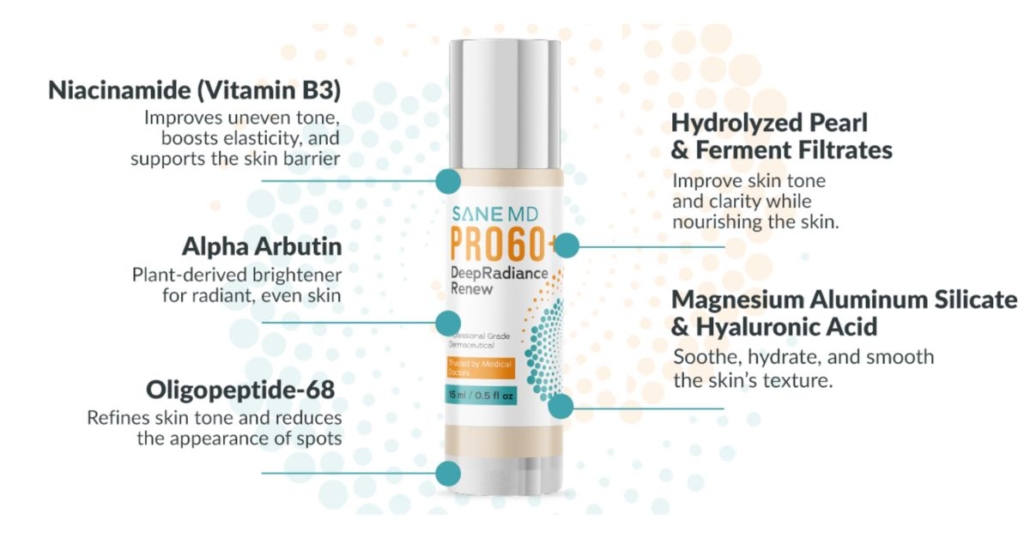
Shop for quality hydrolyzed pearl products. SANEMD offers options you can trust. Look for pure, tested powders. Your skin deserves the best.
Try hydrolyzed pearl and see the difference. Your complexion will glow. Your skin will feel soft. You’ll understand why people have loved pearl powder for so long.
Remember, good skin takes time. Be patient and consistent. Soon you’ll see why hydrolyzed pearl is such a treasure for beauty and health.

