
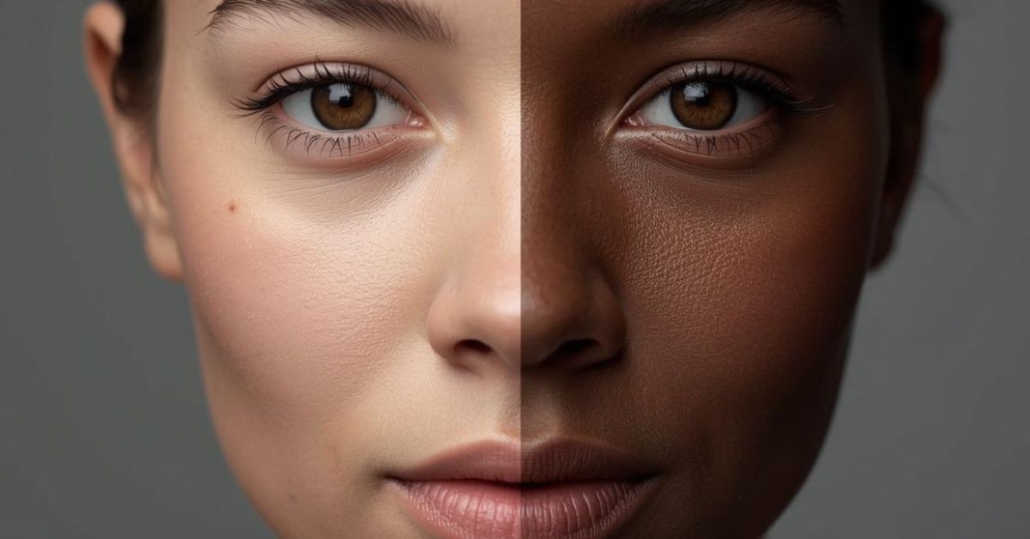
Dark Spots on Face Causes

Dr. Matthew Olesiak, MD, is the Chief Medical Director at SANESolution, a renowned wellness technology company dedicated to providing evidence-based solutions for optimal living. Dr. Olesiak earned his medical degree from the prestigious Jagiellonian University Medical College in Kraków, Poland, where he developed a strong foundation in medicine.
Dark spots on the face are one of the most common skin concerns I hear about, and for good reason. That brown or gray-brown patch that seems to appear out of nowhere on your cheek, forehead, or upper lip can feel alarming. You might wonder if it’s serious, whether it will spread, or what you did wrong. The short answer? Dark spots on the face are areas of hyperpigmentation where your skin has produced extra melanin — the pigment that gives your skin its color — and concentrated it in certain areas. This creates patches of skin that appear darker than the surrounding skin, ranging from light brown to dark brown or even gray-blue depending on your skin tone and the depth of pigment in the skin.
The reassuring news is that most dark spots are completely harmless. But understanding what causes hyperpigmentation on your face is the first step toward treating them effectively and preventing new spots from forming. Whether you’re dealing with sun spots, age spots, post-inflammatory hyperpigmentation from acne, or melasma triggered by hormonal changes, each type of dark spot has a distinct underlying cause, and the path to clear, even skin responds to different treatment approaches for each type.
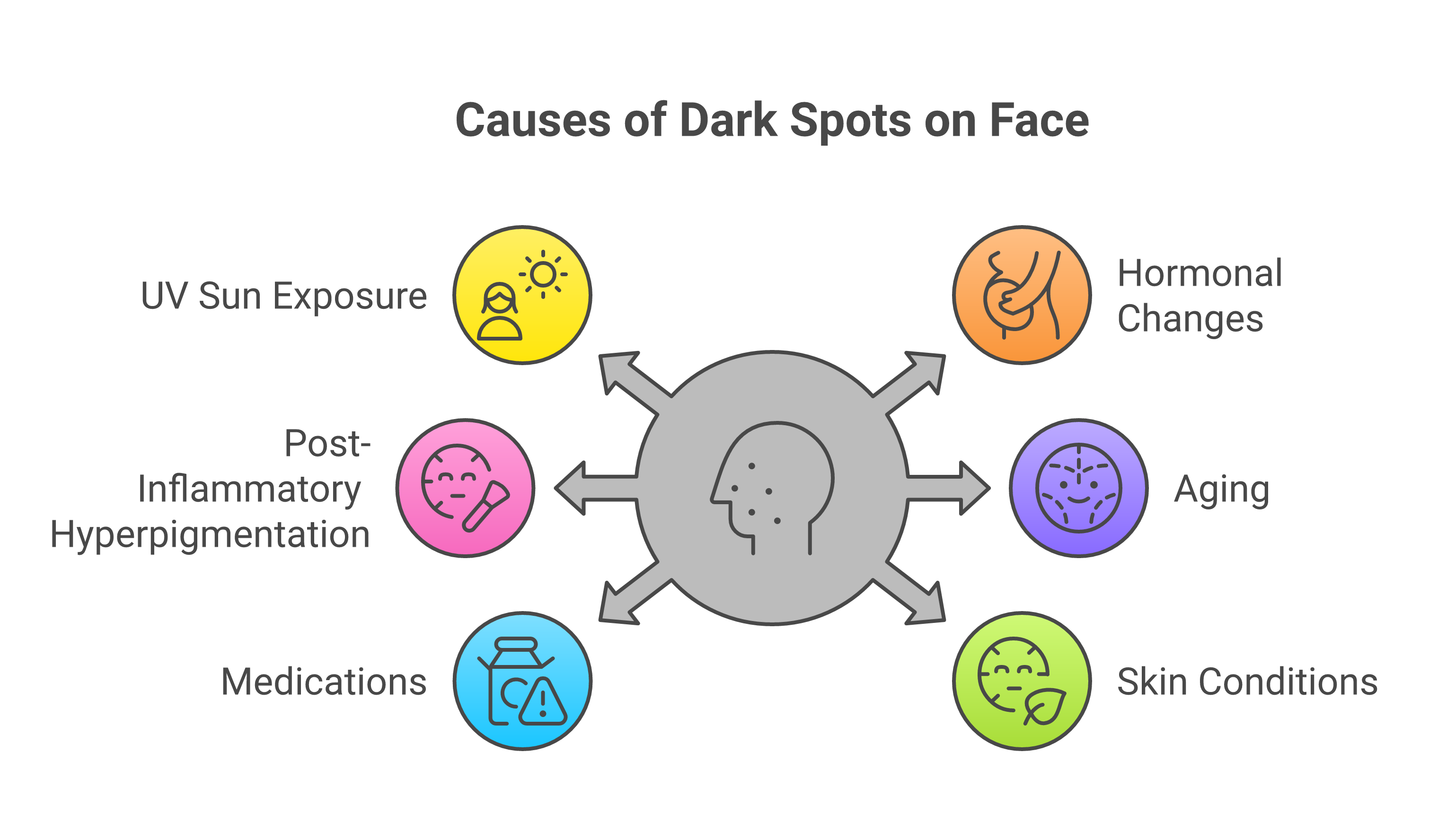
This guide covers the seven primary causes of facial dark spots, who’s most at risk, how to help prevent them from appearing or worsening, and the warning signs that mean you should schedule a consultation with a dermatologist right away. I’ll also walk through what causes hyperpigmentation on different skin tones, how visible light and heat contribute to discoloration, and which treatments, therapies, and creams actually work to treat hyperpigmentation, fade dark spots, and lighten dark spots on the face and hands. Whether your dark spots are mild or severe, understanding the root cause makes all the difference in choosing the right approach to treat them.
What Are Dark Spots on the Face, Exactly?
Dark spots (sometimes called liver spots, age spots, sunspots, or patches of hyperpigmentation) are flat spots on the skin that occur when melanocytes (the skin cells responsible for producing melanin) become overactive or damaged. When these skin cells produce excess melanin in response to a trigger like sun exposure, inflammation, or hormonal fluctuations, the extra pigment gets deposited into the top layer of skin or deeper in the dermis. The Cleveland Clinic provides an excellent overview of this process. The overproduction of melanin creates a visible spot that appears darker than the surrounding skin.
Hyperpigmentation is a common skin condition that affects people of every age, gender, and ethnicity. In fact, it is one of the most frequent reasons individuals with darker skin tones visit a dermatologist. The appearance of dark spots can vary considerably from person to person:
- Color range: Light brown, dark brown, gray, gray-brown, or blue-black depending on skin tone and how deep the pigment sits in the skin
- Size: From tiny freckles smaller than a pencil eraser to large dark patches located across several centimeters of skin
- Shape: Round, oval, or irregular with soft or well-defined borders
- Texture: Usually flat and smooth, with the same texture as the surrounding skin
- Location: Most commonly the cheeks, forehead, upper lip, nose, chin, temples, face, hands, and shoulders
The specific type, location, and response to treatment can differ based on your skin tone, Fitzpatrick skin type, and the underlying cause. Research published in the Journal of Clinical and Aesthetic Dermatology confirms that pigmentary disorders, including hyperpigmentation, are among the most common reasons people with darker skin seek dermatological care. Understanding the difference between the two main types of hyperpigmentation (epidermal vs. Dermal) helps determine which therapies and treatments will be most effective for your particular skin condition. Hyperpigmentation affects people of all backgrounds and skin tones, though the specific type, severity, and best treatment approach varies depending on several factors including genetics, skin type, and environmental exposure.
What Causes Hyperpigmentation on the Face? The 7 Primary Causes of Dark Spots
While dark spots might all look similar on the surface, they stem from very different triggers. Understanding which cause (or combination of causes) is behind your spots helps you choose the right treatment approach and makes the process far more effective. Here are the seven most common reasons dark spots develop on facial skin. Several factors can contribute simultaneously, making diagnosis important.
1. Sun Exposure and UV Damage (Solar Lentigines)
Sun exposure is by far the number one cause of dark spots on the face, and it isn’t close. When harmful UV rays from the sun hit your skin, your body’s defense mechanism kicks in: melanocytes ramp up the production of melanin to absorb the ultraviolet radiation and protect your skin cells’ DNA from damage. Over time, this repeated UV exposure causes melanocytes in certain areas to become permanently overactive, producing extra melanin even when you’re not in direct sunlight. The result? Flat, brown, tan, or dark brown spots on the skin called solar lentigines (also commonly called sunspots, sun spots, age spots, or liver spots, despite having nothing to do with your liver).
Sun-induced dark spots tend to appear in the areas that get the most sun exposure: cheeks, nose, forehead, temples, and the backs of the hands, arms, and shoulders. They become more common after age 40, but I’ve seen them form on people in their late 20s and 30s who spent years outdoors without adequate sun protection. Tanning bed use delivers concentrated UV light and radiation and can accelerate sun spot formation dramatically, sometimes appearing in people as young as their early twenties. These conditions make sun damage one of the most widespread skin issues affecting adults in every part of the world.
Research published in Pigment Cell Research (Bastiaens et al., 2004, as part of the Leiden Skin Cancer Study) found that cumulative lifetime sun exposure, rather than the intensity of any single sunburn, is the strongest predictor of solar lentigines. This includes both UVA and UVB rays. This means that daily, unprotected sun exposure over many years, even without obvious sunburns, leads to the sun damage that eventually causes visible spots on the face. Even UVA rays that penetrate through windows contribute to cumulative damage over decades.
More recent findings also show that visible light (the light you can see from the sun, screens, and indoor lighting) and heat can worsen hyperpigmentation, especially in individuals with darker skin tones. This is one reason dermatologists now recommend tinted sunscreen containing iron oxides, titanium dioxide, or zinc oxide, which offer protection against both UV rays and visible light.
2. Post-Inflammatory Hyperpigmentation (PIH)
Post inflammatory hyperpigmentation (also written as post-inflammatory hyperpigmentation), or PIH, is the dark mark left behind after your skin heals from injury, inflammation, or irritation. Post inflammatory hyperpigmentation is one of the most common conditions affecting people with darker skin tones. If you’ve ever had a pimple that left a brown or reddish-brown mark long after the blemble itself cleared up, that’s textbook postinflammatory hyperpigmentation.
Here’s what happens at the cellular level: when skin experiences trauma from acne, eczema, a burn, an insect bite, a cut, rashes, or even an aggressive skin care procedure like a chemical peel that goes wrong, the inflammatory response triggers nearby melanocytes to release a surge of pigment into the surrounding skin cells. This excess melanin can remain visible for weeks, months, or even years, depending on how deep the pigment has been deposited in the skin.
Common triggers for PIH on the face include:
- Acne breakouts and pimples (the most frequent cause, especially for dark spots after acne)
- Acne, eczema, or psoriasis flares on facial skin
- Burns, cuts, scrapes, or other physical injury to the skin
- Insect bites on the face
- Aggressive treatments like poorly performed chemical peels, laser therapy, or microdermabrasion
- Picking, squeezing, or popping pimples (this can do far more harm than letting them heal naturally)
- Waxing, threading, or harsh exfoliation that irritates the skin
PIH affects all skin types, but it tends to be more intense and longer-lasting in people with darker skin tones. A review published in the Journal of Clinical and Aesthetic Dermatology (Davis & Callender, 2010) found that 65.3% of African American patients and 52.7% of Hispanic patients developed acne-induced post inflammatory hyperpigmentation as a primary skin concern. For darker skin tones, PIH can persist for 6 to 12 months or even longer without targeted treatment. The impact on self esteem and confidence can be significant, which is why treating the underlying conditions (like acne and eczema) promptly is so important for lessen hyperpigmentation and reducing melanin production in affected areas. Individuals with darker skin should learn about PIH-specific treatment options early, because the sooner you address the inflammation, the less pigmentation develops.
3. Hormonal Changes and Melasma
Melasma is a specific type of hyperpigmentation triggered primarily by hormonal fluctuations, and it has a very distinctive appearance. Unlike sun spots or PIH, melasma typically presents as large, symmetrical dark patches on both sides of the face, commonly across the cheeks, forehead, upper lip, chin, and nose bridge. The patches often have irregular, blotchy borders and can range from light brown to gray-brown in color.
The hormonal connection is strong. Hormones (particularly estrogen and progesterone) play a direct role in melanin production regulation, making melasma one of the most frustrating skin conditions to manage because hormonal fluctuations are often beyond your control. Melasma is most frequently triggered by:
- Pregnancy: So common it earned the nickname “mask of pregnancy” or chloasma. Estrogen and progesterone surges during pregnancy stimulate melanocytes to overproduce pigment, causing dark spots that often appear during the second and third trimester. Pregnancy-related dark spots sometimes fade after delivery, but not always
- Birth control pills: Oral contraceptives containing estrogen can trigger or worsen melasma in susceptible women. Taking these medications while spending time in the sun increases risk further
- Hormone replacement therapy: Women going through menopause who take hormone replacement therapy may develop new patches of melasma
- Thyroid conditions: Thyroid dysfunction has been linked to increased melasma risk
What makes melasma especially frustrating is that sun exposure and visible light dramatically worsen it. Even brief sun exposure can darken existing melasma patches, which is why many people notice their melasma becoming more noticeable in summer months. Genetics also play a significant role. A global survey of 324 women found that 48% of melasma patients report a family history of the condition; among those with a positive history, 97% were in first-degree relatives (as reported in Clinical, Cosmetic and Investigational Dermatology). Studies estimate that melasma affects about 15-50% of pregnant women (varying by population and ethnicity) with prevalence highest in those with medium to darker skin tones. Making matters harder, melasma has a high recurrence rate even after successful treatment, which is why ongoing sun protection and follow-up with a dermatologist are critical parts of managing this condition.
4. Medications That Cause Dark Spots
Certain medications can trigger dark spots on the face as a side effect, a condition referred to as drug-induced hyperpigmentation. Medication use is one of several factors that causes hyperpigmentation in people who may not expect it. The mechanism varies by medication: some substances make your skin more photosensitive (increasing the harmful effects of sun exposure), while others directly stimulate melanin production or deposit the drug itself as pigment in the skin.
Medications most commonly linked to causing dark spots and skin pigmentation changes include:
- Antibiotics: Tetracyclines (especially minocycline), fluoroquinolones
- Non-steroidal anti-inflammatory drugs (NSAIDs): Ibuprofen, naproxen in some patients
- Antimalarial drugs: Hydroxychloroquine, chloroquine
- Chemotherapy agents: Several cancer treatment drugs cause widespread pigmentation changes and skin discoloration
- Psychotropic drugs: Certain antipsychotics and antidepressants
- Amiodarone: A cardiac medication that can cause blue gray spots and blue-gray facial discoloration
- Topical steroids and corticosteroids: Prolonged use, particularly on the face, can cause discolored skin and pigmentation changes
- Oral medications for other conditions: Prescribed drugs for seizures, malaria prevention, and autoimmune conditions can also contribute
Drug-induced dark spots can appear anywhere on the body but are often most noticeable on sun-exposed areas like the face, hands, arms, and legs. If you notice new spots appearing after starting a medication, talk to your doctor. In many cases, the hyperpigmentation fades gradually once the medication is discontinued, though some drug-induced skin pigmentation issues can persist for months or even years. Your doctor can review your medical history, assess your symptoms, and evaluate whether a medication change or alternative approach is recommended. Never stop taking prescribed medications without talking to your doctor first.
5. Skin Irritation, Allergic Reactions, and Cosmetics
Your daily skin care routine, cosmetics, and beauty products you use might actually be causing dark spots without you realizing it. Products containing harsh substances, fragrances, alcohol, or certain preservatives can irritate the skin. For example, a cleanser with high alcohol content or a moisturizer loaded with synthetic fragrance can cause low-level inflammation and trigger an inflammatory response. That inflammation, even if it’s low-grade and not causing obvious redness or discomfort, can stimulate melanocytes to overproduce melanin, leading to dark patches that appear gradually over weeks or months.
This form of contact dermatitis-related hyperpigmentation is more common than most people realize. Specific triggers include:
- Fragranced skincare products, cosmetics, and perfumes applied near the face
- Harsh exfoliating scrubs that create micro-tears in the skin
- Certain hair dye chemicals and coloring chemicals that drip onto the forehead or temples
- Waxing or threading that irritates facial skin, sometimes causing sweating and heat-related irritation that worsens the response
- Allergic reactions to makeup, sunscreen ingredients, lotion, essential oils, or topical medications
- Mercury-containing skin lightening creams and products with other dangerous chemicals (which are harmful and should never be used; always check the label of any brightening product for potentially toxic chemicals and unsafe ingredients)
People with sensitive skin are particularly vulnerable. The irony is that some skincare products marketed as “brightening” or “anti-aging” contain active ingredients and potent ingredients like retinoids, alpha-hydroxy acids, or hydroquinone that can actually irritate the skin and worsen dark spots if used at too high a concentration or without proper sun protection. Starting with gentler formulations and building tolerance gradually is essential to avoiding this kind of self-inflicted skin pigmentation. If you’re unsure whether a product is contributing to your skin problems, a dermatologist can help you find a quality skincare routine that reduces discoloration rather than making it worse.
6. Natural Aging and Cumulative Sun Damage
As we age, several changes in skin biology make dark spots more likely to appear and harder to fade. The name “age spots” is somewhat misleading; aging alone doesn’t cause spots. Rather, it’s the accumulation of decades of sun damage combined with age-related changes in how melanocytes function that produces them.
Here’s what happens in aging skin:
- Melanocyte dysfunction: Over time, melanocytes lose their even distribution and begin clustering in certain areas, creating concentrated patches of pigment. The body produces more melanin in these clusters than the surrounding skin
- Slower cell turnover: Young skin naturally sheds pigmented skin cells and replaces them with fresh ones roughly every 28 days. By age 50, this cycle can take 40 to 60 days or longer, meaning pigmented cells linger on the surface much longer, leading to more visible spots and dullness
- Cumulative sun damage compounds: Every year of UV exposure adds to the total damage burden. Adults older than 50 have typically accumulated enough cumulative sun exposure for visible solar lentigines to form, especially on the face, hands, and feet
- Thinner skin: The skin becomes thinner after age 60, making underlying skin pigmentation more visible and imperfections more noticeable
This is why dark spots keep appearing and become increasingly common with each passing decade. According to the Mayo Clinic, age spots are most common in adults older than 50, particularly those with lighter skin types who are more susceptible to cumulative sun damage. Dermatological research indicates that over 90% of Caucasian adults over age 60 have at least some visible age-related dark spots. Prevention through consistent sun protection throughout your life remains the most effective strategy against age-related spots. Even staying out of the sun during peak hours and wearing protective clothing can decrease the rate at which new spots develop. This includes protecting the face, hands, feet, and all exposed parts of the body.
7. Genetics and Family History
Your genetic makeup and the genes you inherited play a significant role in determining whether you’ll develop dark spots, what type you’re most prone to, and how your skin responds to the other triggers on this list. Genetics influence several key factors:
- Skin type and melanin baseline: Your Fitzpatrick skin type (a classification system from Type I, very fair, to Type VI, very dark) largely determines how your melanocytes respond to UV radiation and inflammation. People with darker skin types (III-VI) produce more melanin more readily and are more prone to PIH, while lighter skin types (I-II) tend toward freckles and solar lentigines
- Freckle predisposition: Freckles (ephelides) are almost entirely genetic. If your parents have freckles, particularly with red or light hair, you’re very likely to develop them, and they darken with sun exposure
- Melasma susceptibility: Researchers have shown a strong familial component. Having a first-degree relative with melasma is reported by 41-61% of patients, compared to just 16-28% in the general population
- Wound healing response: How your skin responds to injury and inflammation, and whether it develops PIH afterward, is partially genetic
You can’t change your genetics, but knowing your predisposition helps you take targeted preventive steps. If dark spots run in your family, aggressive sun protection starting in childhood and a gentle, consistent skincare routine become even more essential. This evidence suggests that for some individuals, their genes make their skin simply more reactive to the triggers that cause hyperpigmentation. You can’t blame genetics for everything, but if you know dark spots run in your family, it’s thought that proactive prevention can make a real difference in whether those genes express themselves visibly.
Dark Spots on Face Causes: Comparison of Different Types
| Type of Dark Spot | Primary Cause | Typical Appearance | Common Location | Who It Affects Most |
|---|---|---|---|---|
| Solar Lentigines (Sun Spots / Age Spots / Liver Spots) | Cumulative UV sun exposure and sun damage | Flat, well-defined, light to dark brown | Cheeks, forehead, nose, face, hands, arms, shoulders | Adults older than 40, lighter skin tones, those with high outdoor exposure |
| Post-Inflammatory Hyperpigmentation (PIH) | Skin inflammation from acne, injury, eczema, burns | Flat marks, brown to dark brown or gray-blue | Anywhere acne or skin trauma occurs on the face | All skin types; most intense in darker skin tones |
| Melasma | Hormonal changes (pregnancy, birth control, estrogen) | Large, blotchy, symmetrical dark patches | Cheeks, forehead, upper lip, chin, nose bridge | Women aged 20-50, pregnancy, medium to dark skin tones |
| Drug-Induced Hyperpigmentation | Certain medications (antibiotics, NSAIDs, antimalarials, corticosteroids) | Blue gray spots, brown, or slate-colored dark patches | Sun-exposed facial areas, sometimes widespread | Patients taking photosensitizing medications |
| Freckles (Ephelides) | Genetics + sun exposure trigger | Tiny, flat, light brown dots that darken in summer | Nose, cheeks, shoulders | Fair skin types, red/blond hair, strong genetic component |
| Contact Dermatitis Hyperpigmentation | Irritation from cosmetics, skincare products, substances | Patchy discoloration that follows areas where products are applied | Forehead, cheeks, temples, around the mouth | Individuals with sensitive or reactive skin; all skin tones |
Less Common Causes of Dark Spots: Skin Cancer Warning Signs
While the vast majority of dark spots on the face are benign and caused by the factors listed above, some skin conditions and diseases can also cause unusual dark patches or pigmented growths. Skin cancer, including melanoma, can sometimes first appear as a new, irregularly shaped dark spot or a change in an existing mole. This is why any new, evolving, or unusual spot on your face or body should be evaluated by a dermatologist, especially if it bleeds, itches, or grows rapidly.
Other less common conditions that can cause hyperpigmentation include:
- Addison’s disease: An adrenal gland disorder that causes widespread skin darkening, particularly in skin folds, scars, and areas exposed to friction
- Lichen planus pigmentosus: A skin condition that causes dark patches, especially on the face and neck in individuals with darker skin
- Hemochromatosis: Iron overload can cause a diffuse bronze-colored discoloration rather than distinct spots
- Depigmentation disorders: Conditions like vitiligo cause lighter patches, but the contrast can make surrounding skin appear darker by comparison
If you’re unsure about the cause of any new spot, or if a spot looks different from the others on your skin, a dermatologist can assess it. Early detection of skin cancer is critical, and a physical exam with dermoscopy can provide clarity quickly.
Who Is at Higher Risk for Developing Dark Spots?
While anyone can develop dark spots on the face, certain risk factors make some people significantly more susceptible. Understanding these factors helps you determine your own risk level and take appropriate preventive action.
- Darker skin tones (Fitzpatrick Types III-VI): Melanin-rich darker skin produces pigment more readily in response to inflammation, making PIH a more frequent and persistent concern. But darker skin tones are less prone to solar lentigines than lighter skin types
- Fair skin (Fitzpatrick Types I-II): Greater susceptibility to cumulative sun damage, freckles, and solar lentigines due to less baseline melanin protection
- Age over 40: Decades of sun exposure begin manifesting as visible sun spots and age spots, and melanocyte regulation becomes less precise with the development of new spots
- Family history of melasma or hyperpigmentation: A genetic predisposition to developing certain types of dark spots increases your baseline risk substantially
- Hormonal activity: Pregnancy, use of oral contraceptives, or hormone replacement therapy increases melasma risk, especially in combination with sun exposure
- History of acne, eczema, or other inflammatory skin conditions: Recurrent skin inflammation increases the cumulative risk of PIH, particularly on the face
- High sun exposure lifestyle: Working outdoors, living in tropical or high-altitude regions, frequent outdoor activities like swimming and hiking, or regular tanning bed use
- Photosensitizing medications: Taking certain medications that increase your skin’s sensitivity to the sun’s rays amplifies UV damage and dark spot formation
- Exposure to visible light and heat: People who spend extended time near heat sources or under bright indoor lighting may experience worsened melasma and hyperpigmentation, especially on darker skin
In many cases, multiple risk factors overlap. For example, a 45-year-old woman with medium-brown skin who is pregnant and spends time outdoors without sunscreen could be susceptible to melasma, PIH, and sun-induced hyperpigmentation simultaneously. A thorough review of your medical history, skin type, and lifestyle helps a dermatologist determine which conditions are at play.
How to Prevent Dark Spots on Your Face
Prevention is always more effective than treatment dark spots. While you may not be able to eliminate every spot entirely, you can dramatically reduce their appearance and prevent new ones from forming. Once excess melanin deposits into your skin, reversing it takes time, patience, and consistent effort. These are the proven strategies for prevention. Learn which ones apply to your situation and follow them consistently.
Sun Protection Is Non-Negotiable
If you take away one thing from this guide, let it be this: consistent sun protection is the single most effective way to help prevent dark spots from forming and stop existing spots from getting darker. The sun’s harmful UV rays are the primary trigger or aggravating factor for nearly every type of facial hyperpigmentation.
- Wear broad spectrum sunscreen daily: Choose a broad spectrum sunscreen with SPF 30 or higher, and apply it every single morning (even on cloudy days, even in winter, even if you’re mostly indoors, as UV rays penetrate windows). Reapply every two hours when spending time outdoors. For melasma-prone individuals, a tinted sunscreen with iron oxide offers additional protection against visible light
- Wear a wide brimmed hat: A hat with at least a 3-inch brim provides physical shade for your face, reducing UV exposure to the cheeks, nose, and forehead. This is especially helpful for protecting against melasma
- Wear protective clothing: Long sleeves and wearing protective clothing made from UPF-rated fabric (check the label for the ultraviolet protection factor rating) offer additional sun protection beyond sunscreen alone, particularly for your arms and shoulders
- Wear sunglasses: Good quality sunglasses help protect the delicate skin around the eyes and temples from UV damage and prevent squinting that can worsen crow’s feet and periorbital skin changes
- Seek shade during peak hours: Limit direct sun exposure between 10 AM and 4 PM when the sun’s rays are most intense
- Avoid tanning beds entirely: Tanning bed use delivers concentrated UV radiation that accelerates skin damage, causes dark spots, and dramatically increases skin cancer risk
Build a Gentle Skincare Routine
A good skincare routine should protect your skin, not irritate it. Choosing the right skincare products and building a gentle regimen can make a real difference in minimizing the development of new dark spots:
- Use gentle, fragrance-free cleansers, moisturizer, or lotion (avoid heavy fragranced oils) to reduce irritation that can trigger PIH
- Introduce active ingredients like retinol (or prescribed tretinoin for more potent results), vitamin C serum, or niacinamide gradually to prevent skin irritation while improving skin tone
- Never pick, squeeze, or pop pimples. This almost always causes more harm than good, creating dark marks that can take months to fade
- Use skincare products formulated for your specific skin type to reduce the chance of allergic reactions or contact dermatitis
- Always patch-test new products on a small area of skin before applying them to your entire face
- Avoid products containing mercury, which is found in some imported lightening creams and can cause serious health problems
Treat Skin Inflammation Promptly
Because post-inflammatory hyperpigmentation results from skin inflammation, addressing the underlying cause quickly can lessen hyperpigmentation and help prevent dark marks from forming in the first place:
- Treat acne early and consistently rather than waiting for breakouts to resolve on their own. Both over-the-counter products and prescribed medicine can reduce acne effectively
- Manage chronic skin conditions like acne, eczema, and psoriasis with appropriate medical care to reduce discoloration
- After any skin injury on the face, keep the area moisturized and protected from sun exposure to minimize PIH and lessen hyperpigmentation
- If you notice discolored skin or painful bumps that aren’t responding to home care, talk to a dermatologist. Prompt intervention leads to better results
Treatment Options: What Works for Fading Dark Spots
If dark spots have already formed, multiple treatment options exist to fade dark spots, treat hyperpigmentation, lighten dark spots on the face and hands, and achieve a more even skin tone. The right approach depends on the type, cause, and severity of your hyperpigmentation, as well as your skin tone. While this article focuses on causes, here’s a thorough overview of treatment categories (for a deeper dive, see our complete dark spots treatment guide):
Topical Treatments and Prescription Strength Creams
Over-the-counter and prescription strength creams and prescription topical products containing active ingredients that target melanin production are typically the first step in reducing melanin production and treating dark spots. The effectiveness of these topical treatments varies, and more research continues to refine recommended concentrations and combination therapies:
- Alpha arbutin: A gentle melanin inhibitor derived from bearberry plant, recommended for lightening dark spots with minimal irritation. Works by reducing melanin production at the source
- Vitamin C serums: An antioxidant that inhibits tyrosinase (the enzyme that drives melanin production) and helps fade dark spots while offering some protection against UV damage. Look for L-ascorbic acid at 10-20% concentration for efficacy
- Niacinamide: Helps prevent melanin transfer to skin cells, helps fade existing spots, and strengthens the skin barrier. Available in both creams and serums for home use
- Hydroquinone cream: Available over-the-counter at 2% concentration or at prescription strength (4%+). Hydroquinone remains one of the most effective topical agents for lightening dark spots and reducing melanin production, though extended use requires medical supervision to avoid potential side effects
- Retinoids (including tretinoin): Accelerate cell turnover to speed up the shedding of pigmented skin cells. Tretinoin, a prescribed retinoid, offers stronger results than over-the-counter retinol
- Kojic acid: A natural melanin inhibitor derived from fungi, commonly found in creams and serums formulated to fade dark spots and lighten skin discoloration
- Azelaic acid: Reduces melanin production and has anti-inflammatory properties, making it especially useful for PIH and acne-related discoloration
- Curcumin (turmeric extract): Some researchers believe curcumin may have skin-brightening properties, though more research is needed to confirm its effectiveness compared to established treatments
Oral Medications for Hyperpigmentation
In cases of severe or resistant melasma, oral medications may be prescribed by a dermatologist to address hyperpigmentation from within the body. Tranexamic acid taken orally has shown effectiveness for reducing melanin production in melasma patients who haven’t responded to topical therapies alone. Oral medications are typically reserved for cases that don’t respond to creams, and they require a doctor’s evaluation, follow-up, and monitoring for potential effects.
Professional Procedures
For stubborn dark spots that don’t respond to topical treatments, professional dermatology procedures can offer more dramatic results in reducing discoloration:
- Chemical peels: Remove the top layer of pigmented skin cells to reveal fresher, more evenly toned skin beneath. Glycolic acid, salicylic acid, and TCA peels are commonly used depending on the depth of skin pigmentation
- Laser therapy and laser treatments: Target melanin deposits with focused light energy. Various laser types exist for different spot types, skin tones, and skin conditions
- Microdermabrasion: Physically exfoliates the outer layer of skin to accelerate the removal of superficial pigment
- Intense Pulsed Light (IPL): Uses broad spectrum light to break up pigment clusters beneath the skin surface
- Cryotherapy: Uses liquid nitrogen to freeze and destroy pigmented cells. Typically used for isolated sun spots rather than widespread discoloration
Professional procedures require careful evaluation of your skin type and skin condition. In some patients, especially those with darker skin tones, aggressive treatments like certain laser treatments or deep chemical peels can actually trigger more PIH, causing more harm than good. Always have a thorough evaluation and speak with your dermatologist before pursuing these options. Finding a provider who has expertise in treating hyperpigmentation on your skin type can make a significant difference in results.
The Psychological Impact: How Dark Spots Affect Self-Esteem and Confidence
Dark spots aren’t just a cosmetic concern. For many people, visible skin discoloration on the face affects self-esteem, confidence, and daily social interactions. Studies on the psychological impact of skin conditions consistently find that facial hyperpigmentation is associated with reduced quality of life, increased self-consciousness, and in some cases, anxiety or depression.
If dark spots are affecting how you feel about yourself, know that effective treatments exist and seeking medical care is a reasonable and recommended step. You don’t have to accept hyperpigmentation as a permanent condition. A dermatologist who specializes in pigmentary disorders can evaluate your situation, review your medical history, and create a treatment plan tailored to your skin type, condition, and goals. Many patients find that even partial improvement in their hyperpigmentation creates a meaningful boost in confidence.
When to See a Dermatologist About Dark Spots on Your Face
While most dark spots are harmless, certain warning signs warrant prompt medical attention. Schedule an appointment with a dermatologist if you notice any of the following:
- Rapid changes in an existing spot: Any dark spot that’s growing in size, changing shape, or shifting in color needs professional evaluation to rule out skin cancer, including melanoma
- Asymmetry: One half of the spot looks different from the other half
- Irregular borders: Ragged, notched, or blurry edges rather than smooth, well-defined borders
- Multiple colors within a single spot: A spot containing shades of brown, black, red, white, or blue is a warning sign
- Diameter larger than a pencil eraser (6mm): While benign spots can certainly be larger, new spots exceeding this size deserve evaluation
- Itching, bleeding, or crusting: Any skin growth or spot that itches, bleeds, or forms a scab should be evaluated
- New spots appearing suddenly without a clear cause: If dark patches appear and you can’t attribute them to sun exposure, acne, or other obvious triggers, a physical exam and medical history review can help determine the underlying cause
- Spots that don’t respond to treatment: If you’ve been using appropriate topical treatments for 3 to 6 months without any improvement, a dermatologist can evaluate whether a different diagnosis or treatment approach is needed
- Painful or tender spots: Dark spots that are painful or tender to the touch are unusual and should be assessed. Most benign hyperpigmentation is painless
The ABCDE rule (Asymmetry, Border irregularity, Color variation, Diameter, Evolving) is a useful screening tool for evaluating whether dark spots could be dangerous. But it’s not a substitute for professional diagnosis. A dermatologist can perform a dermoscopy examination, review your medical history, and if necessary, perform a biopsy to rule out skin cancer or other serious skin conditions.
How to Reduce Hyperpigmentation and Fade Dark Spots on Face, Hands, and Body
No matter what skin type you have, there are steps you can take to get rid of existing dark spots, reduce hyperpigmentation, and prevent recurrence. The approach to fade dark spots differs based on location (face vs. Hands vs. Body), skin tone, and the underlying cause. Hyperpigmentation on the face, hands, and other exposed areas often requires a combination of topical products, sun protection, and sometimes professional treatments. Here are practical tips organized by skin tone that help you choose the right approach:
- For lighter skin tones (Fitzpatrick I-II): Focus on sun protection (broad spectrum SPF 30+), vitamin C serums, and retinoids to fade dark spots, including sun spots and solar lentigines on the face, hands, and body. Chemical peels and IPL tend to work well on lighter skin with lower risk of side effects. Lightening creams containing hydroquinone or kojic acid can also help treat hyperpigmentation and reduce discoloration effectively on lighter skin
- For medium skin tones (Fitzpatrick III-IV): Prioritize both sun protection and tinted sunscreen for visible light protection. Use niacinamide, azelaic acid, and alpha arbutin as gentle options to reduce hyperpigmentation and fade dark spots on the face and hands. Avoid aggressive peels or high-concentration lightening treatments without professional guidance, as darker skin is more susceptible to rebound hyperpigmentation from treatments that are too strong
- For darker skin tones (Fitzpatrick V-VI): Work with a dermatologist who specializes in treating hyperpigmentation on darker skin. Avoid hydroquinone creams above 2% without supervision. Choose treatments and therapies with lower risk of triggering additional PIH. Tretinoin and niacinamide are generally well-tolerated and effective for lightening dark spots and reducing melanin overproduction in darker skin tones. Melasma in darker skin also responds well to tranexamic acid (oral or topical), which helps treat hyperpigmentation from within
Regardless of skin type, consistency matters more than intensity. Using the right skin care products daily over 8 to 12 weeks delivers better results than aggressive short-term treatments that risk irritation and rebound hyperpigmentation. If you’re taking any medications that cause photosensitivity, ensure you double down on sunscreen and protective clothing, as these individuals are at higher risk for developing new spots. Lightening creams and brightening serums work best when combined with a solid prevention strategy, so keep that in mind when choosing what to include in your daily routine.
Frequently Asked Questions About Dark Spot Causes
Do Dark Spots on the Face Go Away on Their Own?
It depends entirely on the type and cause. Post-inflammatory hyperpigmentation from a minor pimple might fade on its own within 3 to 6 months, especially in lighter skin tones. But deeper PIH, sun spots from years of sun damage, and melasma rarely disappear completely without treatment. Consistent sun protection and targeted treatment to fade dark spots significantly speed up the process. Our dark spots fading timeline guide covers realistic expectations for each type.
What Vitamin Deficiency Causes Dark Spots on the Face?
Deficiencies in vitamin B12, folic acid (vitamin B9), and vitamin D have been associated with skin hyperpigmentation and dark spots. Vitamin B12 deficiency in particular can cause a characteristic darkening of the skin, especially on the knuckles, palms, and face. A 2022 case report published in Cureus found that hyperpigmentation is the most common dermatological sign of B12 deficiency, occurring in roughly 19% of patients in one study (12 out of 63 cases reported by Aaron S et al.). Vitamin C deficiency may also contribute to an uneven skin tone, as vitamin C plays a role in regulating melanin production. If you suspect a vitamin deficiency is involved, a simple blood test can confirm it and guide appropriate supplementation.
Can Stress Cause Dark Spots on the Face?
Stress doesn’t directly cause dark spots, but it creates conditions that make them more likely. Chronic stress elevates cortisol levels, which can trigger hormonal imbalances that worsen melasma. Stress also frequently leads to acne breakouts, which can result in post-inflammatory hyperpigmentation. On top of that, people under stress often neglect their skincare routine: skipping sunscreen, picking at skin imperfections, sleeping less. All of these factors contribute to dark spot formation. So while stress isn’t a direct cause, it is a significant contributing factor that affects the skin in multiple ways.
Are Dark Spots on the Face a Sign of Liver Problems?
Despite the misleading name “liver spots,” dark spots on the face are almost never caused by liver disease. The term dates back to a time when people incorrectly believed these spots were related to liver function. In reality, what we call liver spots are solar lentigines caused by cumulative sun exposure. That said, certain liver conditions (like hemochromatosis, which causes iron overload) can cause skin darkening, but this typically appears as a diffuse bronze discoloration rather than distinct spots. If you’re concerned about liver-related symptoms, your doctor can run liver function tests to rule out any issues.
Do Certain Foods Cause Dark Spots on the Face?
Not directly, no. I’ve never seen a case where someone developed dark spots purely from eating a specific food. That said, diet does influence your skin in a few indirect ways. Eating lots of processed sugar can drive inflammation that worsens acne, and acne frequently leads to PIH. Certain foods like celery, parsley, limes, and figs contain psoralens, which can temporarily make your skin more photosensitive if you eat large amounts of them. And a diet low in vitamins C and E provides less antioxidant protection against the kind of oxidative damage that contributes to skin pigmentation changes. So food isn’t a direct cause, but it does play a supporting role.
Why Do I Have Dark Spots on My Cheeks But Nowhere Else?
The cheeks get hit with the most direct sunlight of any part of your face. Think about it: they’re flat, forward-facing surfaces that absorb UV all day long. That makes them prime real estate for sun-induced spots. The other likely culprit is melasma, which tends to show up in a symmetrical pattern across both cheeks. I frequently see both happening in the same person. Dark spots on the forehead follow similar patterns but can also come from friction (hats, headbands) or product drip from hair gel or spray.
Can I Prevent All Dark Spots From Forming?
Honestly? No, not 100%. If your hormones or genetics are working against you, some spots may still show up despite your best efforts. But you can dramatically cut your risk. Sunscreen every day (broad spectrum, SPF 30+), a wide brimmed hat when you’re outside, protective clothing, and a gentle routine with good quality skincare products go a long way. I’d also recommend treating acne and any skin inflammation as soon as it starts, because waiting around gives PIH more time to develop. Women who get melasma should talk to their doctor about whether their current contraceptive or HRT is making it worse.
What Are the Two Main Types of Hyperpigmentation?
Epidermal and dermal. The distinction matters more than most people think. Epidermal hyperpigmentation is where the extra melanin sits in the outer layer of skin. It looks brown, and the good news is it usually responds pretty well to topical creams: hydroquinone, vitamin C, kojic acid. Dermal hyperpigmentation is trickier. That’s when pigment drops deeper into the dermis, producing those stubborn gray or blue-gray spots. Topical products can only do so much when the pigment is that deep; you’re often looking at laser therapy or chemical peels. Your dermatologist can tell you which type you have, which helps you avoid wasting time and money on therapies that won’t reach your specific kind of discoloration.
How Long Does It Take to Get Rid of Dark Spots?
This is one of the most common questions I get, and there’s no single answer. It really depends on what kind of spot you’re dealing with and how deep the pigment sits. Superficial PIH from a pimple on lighter skin? Maybe 3 to 6 months with the right products. Deeper PIH on darker skin? Count on 6 to 12 months, sometimes longer. Sun spots can take 2 to 6 months with prescription strength creams like tretinoin or hydroquinone. Melasma is the toughest because it can come right back with sun exposure, hormones, or heat. People who want to get rid of dark spots and get the best results are the ones who stay consistent with their regimen and never skip sunscreen. Patience matters here.
Understanding Your Dark Spots Is the First Step
Identifying the specific cause of dark spots on your face transforms how effectively you can treat and prevent them. A sun spot needs different care than post-inflammatory hyperpigmentation from acne. Melasma triggered by hormonal changes responds to different strategies than drug-induced discoloration. And knowing your personal risk factors (your skin type, family history, sun exposure habits, and medications) allows you to build a prevention plan tailored to your situation.
The bottom line? Most dark spots on the face are a cosmetic concern rather than a health threat, and effective treatment options and therapies exist for every type of this common skin condition. Start with consistent sun protection, build a gentle and targeted skincare routine, and don’t hesitate to seek professional evaluation if a spot looks suspicious or isn’t responding to treatment. For cosmetic reasons, skin issues affecting your self esteem, or health concerns, taking action is always the right call. Many effective treatments can be started at home with over-the-counter products, while more stubborn spots may require professional help. Don’t wait until hyperpigmentation becomes severe before you seek help. For more guidance, explore our guides on how to remove dark spots from your face and the best dark spot removers to find solutions that match your specific needs.
This content is for informational purposes only and doesn’t constitute medical advice. Always consult a qualified healthcare professional for personalized diagnosis and treatment of skin conditions.

