
Dark Spots on Face During Pregnancy: Causes, Safe Treatments, and the Mask of Pregnancy

Dr. Matthew Olesiak, MD, is the Chief Medical Director at SANESolution, a renowned wellness technology company dedicated to providing evidence-based solutions for optimal living. Dr. Olesiak earned his medical degree from the prestigious Jagiellonian University Medical College in Kraków, Poland, where he developed a strong foundation in medicine.
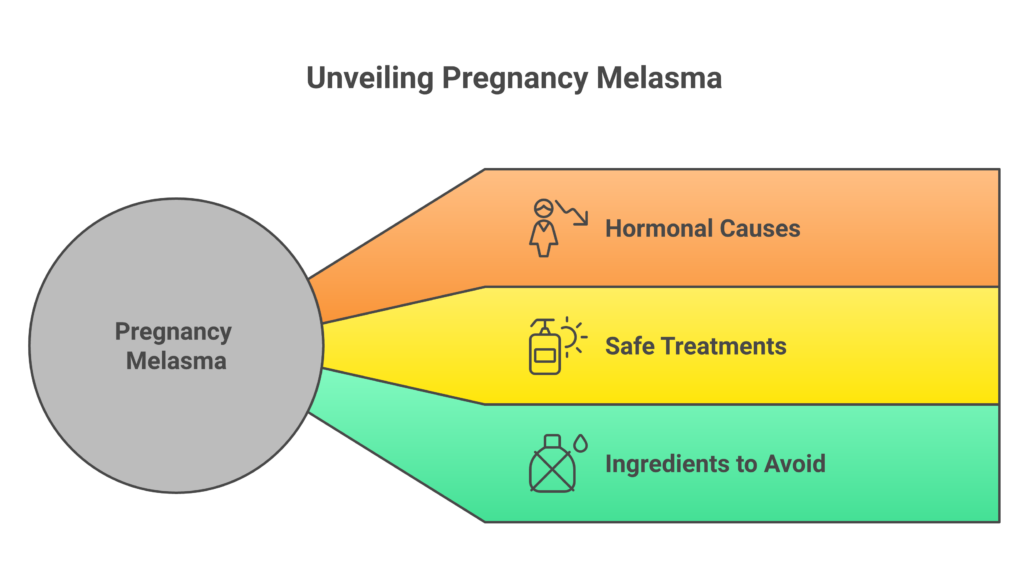
Dark spots on face during pregnancy are almost always melasma, a common skin condition also called chloasma or the “mask of pregnancy.” This skin disorder affects between 50% and 70% of pregnant women, according to a 2008 review in Collegium Antropologicum. Melasma appears when surging estrogen and progesterone hormones push melanocytes to produce more melanin than usual. That extra pigment shows up as blotchy brown or grayish-brown dark patches on the cheeks, forehead, bridge of the nose, upper lip, and neck. The condition is harmless to you and your baby, and most pregnancy melasma fades after delivery. But there are safe ways to manage it right now.
I’ve spent years digging into skin pigmentation research, and pregnancy melasma ranks among the most common skin changes women ask about. Below you’ll find exactly what causes these dark spots, which skincare ingredients are safe during pregnancy, what to avoid completely, and when those brownish patches will finally lighten up.
What Is the Mask of Pregnancy (Melasma)?
Those dark patches spreading across your face? That’s melasma — also known as the mask of pregnancy. It looks different from regular dark spots on skin, sun spots, or age spots. The mask of pregnancy commonly shows up as larger, blotchier patches with irregular edges, and they almost always appear on both sides of your face at the same time. Melasma is characterized by symmetrical discoloration that develops gradually over weeks or months.
This skin condition typically presents as brown, tan, or grayish-brown patches in various colors. You’ll commonly notice melasma on your cheeks, forehead, bridge of the nose, chin, and upper lip. Some expecting women also develop skin hyperpigmentation on their neck, arms, shoulders, and other areas exposed to the sun. The Cleveland Clinic reports that between 15% and 50% of pregnant women develop melasma, and a review published in the National Library of Medicine (StatPearls, reviewed 2024) put that number closer to 70% depending on skin tone and geographic location. The condition affects people of all backgrounds, though it’s far more noticeable in individuals with darker skin tones.
What sets melasma apart from other types of skin hyperpigmentation:
| Feature | Melasma (Pregnancy Mask) | Sun Spots / Age Spots | Post-Inflammatory Hyperpigmentation |
|---|---|---|---|
| Appearance | Large, blotchy, irregular patches | Small, round, well-defined spots | Flat marks at injury site |
| Common locations | Cheeks, forehead, upper lip, nose, chin | Hands, face, arms, chest | Anywhere skin was damaged |
| Primary trigger | Hormonal shifts + sun exposure | Cumulative UV damage over time | Acne, cuts, burns, skin inflammation |
| Symmetrical? | Almost always on both sides | Rarely symmetrical | No pattern |
| Who it affects most | Pregnant women, birth control users, darker skin tones | Fair skin with years of sun exposure | All skin tones, especially darker |
Dermatologists classify melasma into three types based on how deep the extra pigment sits in the skin. Epidermal melasma affects the surface layers of the epidermis and generally responds well to topical treatments and creams. Dermal melasma sits deeper in the dermis and takes much longer to treat. Mixed melasma, the most common type, involves both layers. Your dermatologist can examine your skin using a Wood’s lamp to diagnose melasma and determine which type you have. That matters because it affects how melasma can be treated and how long the dark spots take to fade. The mask of pregnancy appears most often as the mixed type in expecting mothers.
What Causes Dark Spots During Pregnancy?
Hormones Are the Primary Driver
Pregnancy floods your body with estrogen and progesterone, and these hormonal changes directly stimulate melanocytes — the cells that produce the pigment melanin. During the second and third trimester especially, melanocyte stimulating hormones reach their highest levels. A 2024 review in the journal Cosmetics found that women who develop melasma during their first pregnancy face a 44x increased likelihood of developing melasma in later pregnancies. That risk factor alone makes prevention worth the effort.
It’s the same mechanism behind why some women develop dark patches when they use hormonal birth control pills or hormone treatments like hormone replacement therapy. The estrogen-progesterone combination triggers melanocytes to produce more pigment than normal, and your skin color darkens in patches where melanocytes are most concentrated. Genetics also play a role in how your body responds to these hormones — not every pregnant woman develops noticeable discoloration, even with the same hormone levels.
Sun Exposure Makes Everything Worse
Here’s the part that catches most expecting mothers off guard: sun exposure is the single biggest factor that can worsen melasma during pregnancy. Ultraviolet radiation from sunlight hits your skin and triggers melanocytes to produce even more melanin, making dark patches worse with every unprotected hour outdoors. Heat from the sun contributes too — studies have found that heat exposure alone, without UV, can trigger melanocyte activity in people prone to melasma.
Visible light and blue light emitted from screens can also worsen melasma, though the effect is smaller than ultraviolet radiation. Infrared radiation from heat sources is another trigger — even sitting near windows where sunlight streams in takes its toll on your skin. This is why proper sun protection is the single most important step for managing dark spots on your face during pregnancy. Without good sun protection, no topical treatments or medicines will make much difference.
Risk Factors That Increase Your Chances of Developing Melasma
Some women are more susceptible to this skin condition than others. The main risk factors include:
- Skin tone: Women with darker skin tones (Fitzpatrick types III-VI), particularly those with Latin American, Middle Eastern, South Asian, East Asian, and African heritage, develop melasma more often because their skin naturally contains more active melanocytes
- Family history: A StatPearls review notes that approximately 50% of people with melasma have a family member who also had it. If your mother or sisters experienced pregnancy melasma, your risk is significantly higher
- Previous melasma: If you had dark patches in a previous pregnancy, they’re very likely to return
- Thyroid disease: Research published in the National Library of Medicine links thyroid disorders with higher melasma prevalence, so your doctor may examine your thyroid function if your skin condition is severe
- Nutritional deficiencies: A case control study found that 45.8% of melasma patients had serum zinc deficiency compared to 23.7% of controls. Vitamin D deficiency has also been linked to worsening skin pigmentation. Foods rich in zinc (pumpkin seeds, chickpeas, lentils) and vitamin D (fatty fish, fortified foods) may help reduce this risk factor
- Tanning beds and prolonged sun exposure: Any history of heavy UV exposure before pregnancy raises your risk. People who’ve used tanning beds regularly have higher rates of developing melasma
Other Common Skin Changes During Pregnancy
Melasma isn’t the only skin condition you might deal with while expecting. Pregnancy causes a whole range of changes to your skin because of those same hormonal fluctuations:
- Linea nigra: A dark line running from your belly button down your abdomen, sometimes called the “pregnancy line.” It affects most women by the third trimester and typically fades within a few months after birth
- Darkened areolas: Your nipple areas and areolas often become darker and larger, which is a normal response to increased levels of estrogen
- Pregnancy acne: Hormonal changes during pregnancy commonly trigger breakouts, especially in the first trimester. If you’re dealing with pregnancy acne alongside melasma, treatment gets more difficult because many acne medicines aren’t safe during pregnancy
- Stretch marks: As skin stretches across your belly and body, reddish or purple marks may appear. These are caused by the physical stretching of skin combined with hormonal effects on collagen
- Freckles getting darker: Existing freckles, moles, and scars may darken during pregnancy due to the general increase in melanin production. In most cases, they lighten again after delivery
- Rosacea flares: The increased blood volume during pregnancy can worsen rosacea and contribute to facial redness
Read our guide on skin darkening hormones to learn more about what triggers these pigmentation changes, and our piece on dark spots after acne if you’re also dealing with post-inflammatory marks.
How to Prevent Melasma From Getting Worse
You can’t fully prevent the mask of pregnancy because the hormonal changes driving it are necessary for your baby’s health and development. But a few preventative measures help keep it from getting worse, and taking action early makes a noticeable difference in how your skin looks during and after pregnancy.
Sun Protection Is Your Best Friend
This is the single most effective thing you can do. A 2024 study published in Cosmetics found that using a broad-spectrum mineral sunscreen starting in the first trimester reduced the incidence of developing melasma by more than 90%.
- Wear sunscreen with a high SPF of at least 30 every single day — even on cloudy days, even if you’re staying indoors near windows
- Choose a mineral sunscreen containing zinc oxide or titanium dioxide. These sit on top of your skin rather than being absorbed, making them safe during pregnancy
- Apply sunscreen every two hours when you’re exposed to the sun, and after swimming or sweating
- Wear a wide brimmed hat and sunglasses with UV protection whenever you’re outdoors. Protecting the delicate skin around your eyes and cheeks helps prevent worsening of melasma
- Wear protective clothing that covers your arms and neck when spending long hours outdoors
- Avoid tanning beds completely — they deliver concentrated UV that can rapidly worsen melasma
- Use tinted sunscreens with iron oxides, which block visible light that standard mineral sunscreens miss
Daily Habits That Help
- Stay out of direct sunlight during peak hours (10 AM, 4 PM) when ultraviolet radiation is strongest
- Use gentle skin care products that won’t irritate your skin — irritation and irritating products can trigger more pigment production
- Don’t pick at or exfoliate dark patches aggressively. Inflammation from rough treatment commonly makes skin hyperpigmentation worse
- Get enough sleep and manage stress. Sleep deprivation and stress both affect hormonal balance and can influence how your skin responds to hormones
- Eat foods rich in vitamin D, vitamin C, zinc, and iron. Supplement with prenatal vitamins that cover these nutrients. While diet alone won’t cure melasma, nutritional deficiencies can make the skin condition more difficult to manage
Safe Skincare Ingredients for Dark Spots While Pregnant
Here’s where a lot of expecting mothers feel stuck: most of the heavy-hitter treatments for dark spots aren’t safe during pregnancy. Hydroquinone, retinoids, chemical peels with high concentrations — all off the table for good reason. But several effective topical solutions and topical medications do work and carry minimal risk to your baby’s health. Follow this advice from dermatology research to choose what’s right for your situation.
Azelaic Acid (Top Choice for Treating Melasma)
Azelaic acid at 15-20% concentration is the top choice for pregnancy-safe melasma treatment. The FDA classified it as Pregnancy Category B, meaning animal studies showed no risk and human data hasn’t raised concerns. Less than 4% of a topically applied dose absorbs systemically, according to prescribing data reviewed by the American Academy of Dermatology. It works by slowing melanin production in overactive melanocytes and reducing skin inflammation at the same time.
Azelaic acid also helps with pregnancy acne, so if you’re dealing with both breakouts and dark patches, it handles both. Apply it once or twice daily to affected areas. Mild itching or stinging in the first week is normal and usually fades. Many patients find their skin looks smoother within 4-8 weeks of consistent use.
Vitamin C Serum
Topical vitamin C (L-ascorbic acid at 10-20%) is safe to use during pregnancy and provides antioxidant protection against sun damage while inhibiting the enzyme tyrosinase, which your melanocytes need to produce melanin. A 2023 systematic review in the Journal of Cosmetic Dermatology that examined seven studies found evidence that vitamin C helps produce smoother, lighter skin in treated areas, though results are modest when used alone.
For best results, apply a vitamin C serum in the morning under your mineral sunscreen. The combination of antioxidant protection plus UV blocking gives your skin the strongest defense against worsening dark patches. Learn more about how vitamin C fits into a broader treatment plan in our guide on dark spot correctors for face.
Niacinamide (Vitamin B3)
Niacinamide is another excellent option for pregnant women. A clinical trial published in Dermatology Research and Practice compared 4% niacinamide against 4% hydroquinone for melasma. The niacinamide group saw a 62% average improvement in pigmentation, compared to 70% with hydroquinone, and niacinamide had fewer side effects (18% vs. 29%). That same study also found niacinamide helped improve solar elastosis, a sign of cumulative sun damage.
Niacinamide works by blocking the transfer of melanin from melanocytes to surrounding skin cells. It also helps strengthen the skin barrier and reduce redness. You can safely use it twice daily. Read more in our article on niacinamide benefits for skin and niacinamide for age spots.
Alpha Arbutin
Alpha arbutin is a naturally derived ingredient that inhibits tyrosinase, the same enzyme targeted by hydroquinone, but without the safety concerns. It’s gentler, less irritating, and considered safe for pregnancy at concentrations up to 2%. Results take longer (8-12 weeks of consistent use), but it lightens dark spots gradually without the rebound darkening that some stronger treatments and drugs can cause. Read more about this ingredient in our alpha arbutin guide.
Pregnancy-Safe vs. Unsafe Ingredients at a Glance
| Safe During Pregnancy | Avoid During Pregnancy |
|---|---|
| Azelaic acid (15-20%) | Hydroquinone (35-45% systemic absorption) |
| Vitamin C (L-ascorbic acid) | Retinoids / Tretinoin / Retinol (linked to birth defects) |
| Niacinamide (Vitamin B3) | High-dose salicylic acid (oral form) |
| Alpha arbutin (up to 2%) | Chemical peels (glycolic >30%, TCA) |
| Mineral sunscreen (zinc oxide, titanium dioxide) | Laser treatments and IPL |
| Lactic acid (low concentration) | Tranexamic acid (oral form) |
| Kojic acid (topical, low %) | Mercury-containing skin lighteners |
Skincare Ingredients and Treatments to Avoid During Pregnancy
This part matters more than the “what to use” section. Some treatment options can be harmful to your body and your developing baby:
Hydroquinone: The most commonly prescribed skin lightening cream for melasma patients. About 35-45% of the applied dose absorbs into your body, according to a 2011 review in the Canadian Family Physician. That level of systemic absorption puts it in “avoid” territory during pregnancy. Wait until after delivery and breastfeeding to use hydroquinone creams or bleaches.
Retinoids (tretinoin, retinol, adapalene): Vitamin A derivatives are linked to birth defects when taken orally and should be avoided in all forms during pregnancy, including topical retinol for dark spots. These drugs are effective after pregnancy. Our guide on retinol for dark spots covers when you can safely restart after pregnancy and what results to expect.
Aggressive chemical peels: Professional chemical peels using high concentrations of glycolic acid, TCA, or other strong acids aren’t recommended during pregnancy. Mild lactic acid serums at home are generally considered safe, but confirm with your doctor at your next office visit first.
Laser treatments and microdermabrasion: No safety data exists for lasers, IPL, or microdermabrasion procedures during pregnancy. Most dermatologists won’t perform these procedures until well after delivery. Schedule a consultation for future laser treatment once you’re no longer pregnant and done breastfeeding.
Dangerous counterfeit products: Harvard Health warns about unregulated skin lighteners sold online that may contain mercury or harmful drugs. Only use medicines and topical medications reviewed by your doctor. Counterfeit cosmetics from unregulated sources can cause serious skin disorders and other health problems.
How to Diagnose Melasma During Pregnancy
Most cases of pregnancy melasma are diagnosed based on a visual examination during a routine office visit with your dermatologist or OB-GYN. The symmetrical pattern of brown patches on the face is usually enough for a confident diagnosis. However, your dermatologist may use a Wood’s lamp (a handheld UV light) to examine how deep the pigment sits in your skin. This helps determine whether you have epidermal, dermal, or mixed-type melasma.
In rare cases, a small skin biopsy may be taken to rule out other types of skin disorders that can look similar to melasma. If dark spots appear alongside other signs like fatigue, weight changes, or hair loss, your doctor may schedule blood work to check for thyroid disease or other conditions that contribute to skin discoloration.
A Pregnancy-Safe Skincare Routine for Melasma
Putting all of this advice together into an actual routine helps take the guesswork out of daily treatment. Here’s what a complete morning and evening schedule can look like:
Morning routine:
- Gentle cleanser (fragrance-free, non-irritating)
- Vitamin C serum (10-20% L-ascorbic acid) — wait 1-2 minutes to absorb
- Niacinamide moisturizer (4-5%)
- Mineral sunscreen with high SPF 30+ and iron oxides — reapply every 2 hours if outdoors
Evening routine:
- Gentle cleanser to remove sunscreen and makeup
- Azelaic acid (15-20%) applied to melasma areas
- Moisturizer to protect your skin barrier
This routine follows the principle of protecting during the day and treating at night. Adjust based on what your skin tolerates. If azelaic acid causes too much stinging, reduce to every other night until your skin adjusts. These cosmetics and products are widely available at most pharmacies.
Will Pregnancy Dark Spots Go Away After Delivery?
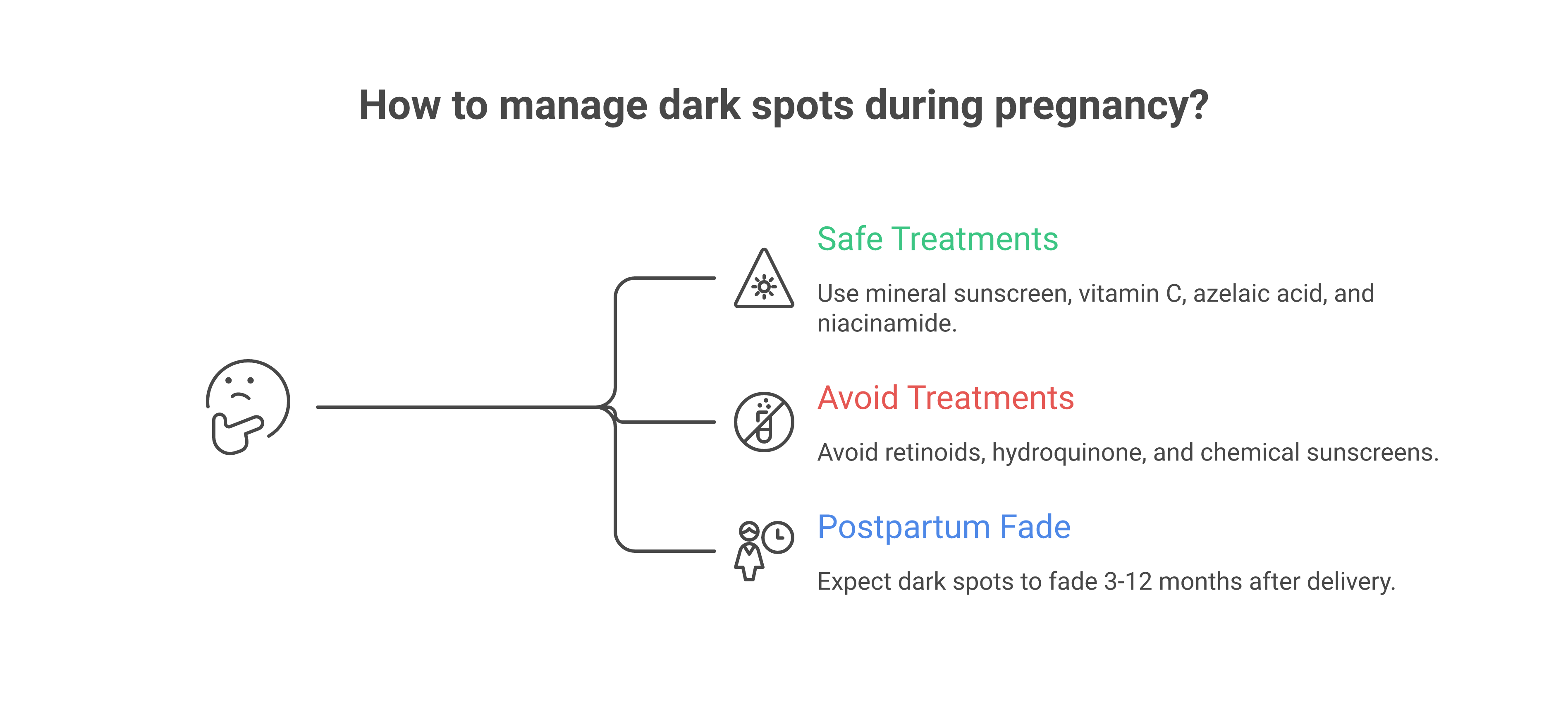
Fortunately, most women see their dark patches fade significantly within 3-6 months after giving birth, once estrogen and progesterone levels drop back to normal. The Cleveland Clinic’s dermatology department confirms that post-pregnancy hormone normalization allows melasma to resolve on its own for the majority of patients.
But here’s the reality check. About 30% of women find that some dark spots persist well beyond delivery, according to the 2024 Cosmetics review. Some cases continue 10 years later. Your chances of persistent melasma increase if:
- You had significant sun exposure during pregnancy without proper sun protection
- Your melasma is the dermal type, meaning pigment sits deep in the dermis rather than the surface layers of the epidermis
- You continue using hormonal birth control after delivery
- You have a strong family history of melasma
If dark spots don’t fade within six months post-delivery, that’s when your dermatologist can start more aggressive treatment options. Post-pregnancy treatments include prescription hydroquinone, tretinoin, professional chemical peels, laser treatments, and combination topical medications. Fortunately, the full range of effective medicines becomes available once you’re no longer pregnant. Read about the complete range of treatment options in our guides on dark spots on face treatment and OTC vs prescription treatments.
What About Breastfeeding?
Breastfeeding maintains elevated prolactin levels, which can slow the fading of pregnancy melasma. Some women notice their dark patches don’t start clearing until after they stop breastfeeding. Breast milk production keeps certain hormones elevated that influence melanocyte activity. During this time, keep using your pregnancy-safe treatments (azelaic acid, niacinamide, vitamin C) and maintain strict sun protection. Hydroquinone and retinoids should still be avoided while breastfeeding.
How Can Melasma Be Treated After Pregnancy?
Once you’re done with pregnancy and breastfeeding, a complete range of treatment options opens up:
- Prescription hydroquinone (2-4%) applied for 3-6 month cycles — the most studied medicine for treating melasma lesions in dermatology
- Tretinoin combined with hydroquinone and a mild topical steroid (sometimes called “triple combination cream”) — this combination of topical medications is considered the most effective approach prescribed by dermatologists
- Professional chemical peels — glycolic acid or TCA peels administered by a dermatologist, which exfoliate the surface layers to help lighten dark patches and improve skin texture
- Laser treatments — lasers and IPL treatments can help, though results are unpredictable and some patients see rebound darkening. Your dermatologist should have experience with melasma-specific laser protocols, as the wrong type of lasers can make things worse
- Microneedling — these procedures can help drive topical medications deeper into the skin for better results
- Oral tranexamic acid — low-dose tranexamic acid has shown promise in multiple study results for stubborn melasma, though it’s not right for every person and your doctor should review your full medical history first
For the complete timeline of what to expect, see our article on dark spots fading timeline.
The Emotional Side of Pregnancy Melasma
Let’s talk about something that medical articles rarely cover. Pregnancy is supposed to be an exciting time, but watching dark patches spread across your face every time you look in the mirror takes a real toll on how you feel. I’ve read accounts from hundreds of women in pregnancy forums and dermatology communities, and the frustration, self-consciousness, and anxiety about these visible changes comes up constantly. The 2024 Cosmetics review found that melasma negatively affects expectant mothers’ recreation, leisure, and social life, reducing overall quality of life.
If melasma is affecting your confidence or your social life, a few things help:
- Good mineral makeup and concealer work well. Choose a foundation that matches your overall skin tone and use a concealer with good coverage on darker patches. Look for cosmetics and products with SPF for extra sun protection
- Talk to your partner and people close to you. Sometimes just saying “this is bothering me” out loud takes some of the weight off
- Remember it’s temporary for most women. The dark spots almost always lighten significantly after delivery
- See a dermatologist if it’s really affecting you. They can help with safe treatment options and provide expert advice and reassurance about what to expect. Our guide to seeing a dermatologist for dark spots covers what that first visit looks like
When to See Your Doctor About Dark Spots
Pregnancy melasma is harmless, but not every dark spot is melasma. See your doctor if you notice a spot growing rapidly, with uneven borders, bleeding, severe itching, or pain. Dark spots that appear alongside fatigue, weight changes, or hair loss could point to thyroid disease or another skin disorder that needs to be diagnosed separately. Signs that warrant an immediate visit include any spot that changes in appearance over days rather than weeks, or spots that develop in areas not typically affected by melasma. If spots don’t match the typical melasma pattern, schedule an office visit to have them examined promptly.
Frequently Asked Questions About Pregnancy Dark Spots
Is it normal to get dark spots on your face when pregnant?
Completely normal. Melasma affects an estimated 50-70% of pregnant women, making it one of the most common skin changes during pregnancy. The hormonal shifts of pregnancy cause melanocytes to produce more melanin, and this increased pigmentation is especially noticeable on sun-exposed areas of the face. The dark spots are harmless and don’t affect your baby in any way.
How can I remove dark spots on my face during pregnancy?
You can’t fully remove melasma during pregnancy, but you can manage it effectively. Use pregnancy-safe topical solutions like azelaic acid (15-20%), vitamin C serums, and niacinamide daily. Wear mineral sunscreen with high SPF every day and use a wide brimmed hat outdoors. Avoid hydroquinone, retinoids, and aggressive chemical peels until after pregnancy and breastfeeding. Most dark spots will fade significantly within 3-6 months after delivery. For more approaches, see our full guide on how to remove dark spots from face.
What causes black spots on the face during pregnancy?
The primary cause is hormonal. Rising estrogen and progesterone levels during pregnancy stimulate melanocyte stimulating hormones, which trigger melanocytes to overproduce melanin. This skin pigmentation shows up as brown or grayish-brown patches, typically on the cheeks, forehead, upper lip, and nose. Sun exposure, genetics, thyroid disease, certain topical medications, and nutritional deficiencies (particularly zinc and vitamin D) can all worsen the condition. Read more about the root causes in our article on dark spots on face causes.
When do pregnancy dark spots go away?
For most women, pregnancy-related melasma begins fading within 3-6 months after delivery as hormone levels return to normal. However, about 30% of women experience persistent dark spots that can last a year or longer. Breastfeeding can delay fading because it keeps prolactin levels elevated. Consistent daily sunscreen use after delivery helps speed the process. If your dark patches haven’t noticeably lightened by six months postpartum, consult a dermatologist about stronger treatment options including prescription hydroquinone and laser treatments.
Can I use Vitamin C serum while pregnant?
Yes. Topical vitamin C is considered safe during pregnancy because it absorbs minimally into the bloodstream. It functions as an antioxidant and tyrosinase inhibitor, helping to reduce melanin production. Apply it in the morning before your sunscreen for the best combination of protection and skin-brightening benefits. Vitamin C won’t produce dramatic results on its own for melasma, but it contributes meaningfully when combined with sunscreen and other safe ingredients like niacinamide.
How can I prevent melasma during pregnancy?
You can’t guarantee prevention because the hormonal changes of pregnancy are the primary trigger. However, aggressive sun protection starting in the first trimester can reduce your risk by more than 90%, according to a 2024 study in Cosmetics. This means daily mineral sunscreen (SPF 30+), wide brimmed hats, protective clothing, avoiding tanning beds, and staying out of direct sunlight during peak hours. If you have a family history of melasma or had it in a previous pregnancy, these preventative measures become even more important.
Does the linea nigra go away after pregnancy?
Yes, in most cases. The linea nigra, the dark line running down your belly, typically fades within a few months after delivery, following the same timeline as facial melasma. Like the pregnancy mask, it’s caused by increased melanin production driven by pregnancy hormones. It’s harmless and doesn’t require treatment. Some women find it fades faster than facial melasma because the abdomen gets less sun exposure than the face.
Can birth control cause melasma after pregnancy?
Yes. Hormonal birth control pills and other hormone treatments that contain estrogen can trigger or worsen melasma, even after pregnancy. If you had pregnancy melasma and switch to estrogen-containing oral contraceptives after delivery, your dark spots may return or persist longer. A non-hormonal option, like a copper IUD, avoids this risk entirely. Discuss your options with your OB-GYN if melasma is a concern.
Key Takeaways
- Dark spots on face during pregnancy are caused by melasma, a skin condition driven by hormonal changes that affects 50-70% of pregnant women
- Sun exposure is the biggest factor that makes the pregnancy mask worse — daily mineral sunscreen with zinc oxide or titanium dioxide is the single most important preventative measure
- Safe treatment options during pregnancy include azelaic acid, vitamin C, niacinamide, and alpha arbutin. Avoid hydroquinone, retinoids, and aggressive laser treatments until after delivery
- Most dark patches fade within 3-6 months after giving birth, but about 30% of women experience persistent melasma
- Birth control pills can trigger melasma to return — consider non-hormonal alternatives if you’re prone to this skin condition
- See a dermatologist if spots don’t fade by six months postpartum, if spots have unusual features, or if melasma is significantly affecting your quality of life
For a complete overview of all available treatment approaches, visit our complete guide on how to fade dark spots on face and best dark spot removers for face.

