
Oxidative Stress on Skin: Causes, Visible Signs, and How to Fight Back

Dr. Matthew Olesiak, MD, is the Chief Medical Director at SANESolution, a renowned wellness technology company dedicated to providing evidence-based solutions for optimal living. Dr. Olesiak earned his medical degree from the prestigious Jagiellonian University Medical College in Kraków, Poland, where he developed a strong foundation in medicine.
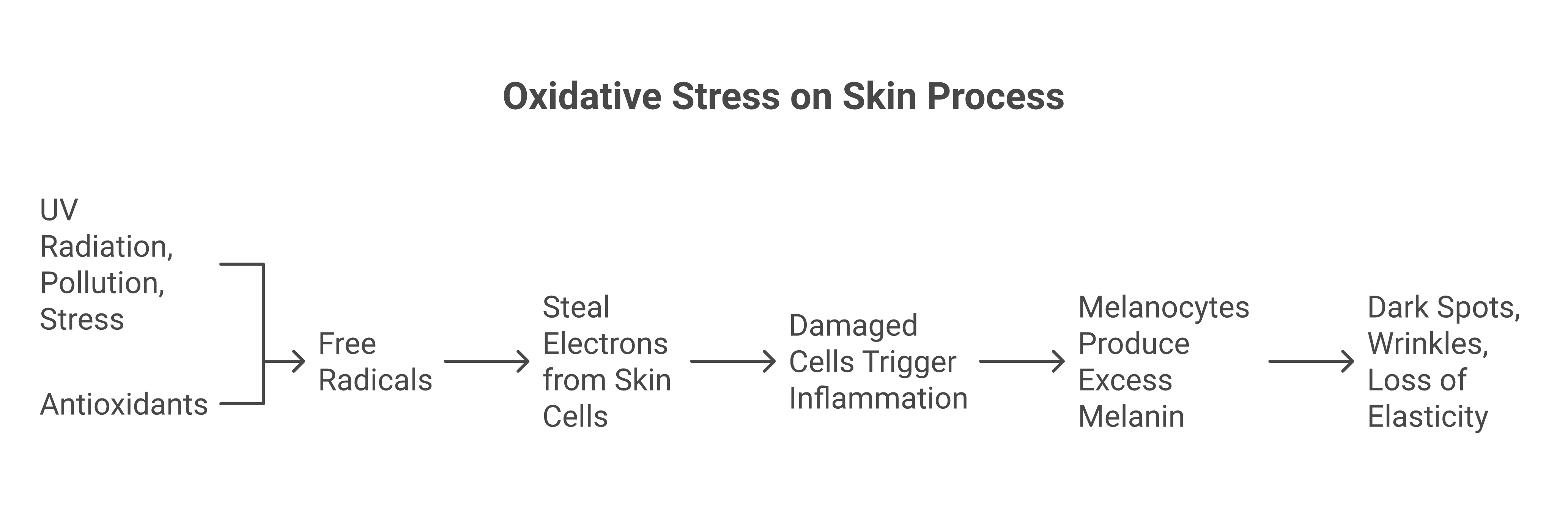
Oxidative stress on skin is a biochemical imbalance where free radicals overwhelm your body’s antioxidant defenses, directly damaging skin cells, accelerating premature aging, and triggering dark spots. I see this mechanism at the root of nearly every premature skin aging complaint that walks through a practice. Understanding exactly how reactive oxygen species attack your skin, and the specific strategies that actually neutralize them, gives you a real advantage over the generic “use sunscreen” advice you’ll find elsewhere.
This isn’t abstract biology. When free radicals steal electrons from your skin’s collagen fibers, lipid membranes, and DNA, the results show up in your mirror: fine wrinkles deepen, hyperpigmentation spreads, skin texture deteriorates, and overall skin quality declines. Here’s what the science tells us about why this happens and what you can do about it.
What Is Oxidative Stress? The Science Behind Skin Damage
Oxidative stress occurs when the balance between free radicals and antioxidants in your body tips in favor of the free radicals. The free radical theory of aging, first proposed by Denham Harman in 1956, holds that accumulated cellular damage from reactive oxygen species is a primary driver of the aging process. Think of it like rust forming on metal, except the “metal” is your skin’s structural proteins, cell membranes, and DNA.
Free radicals are unstable molecules missing an electron. They’re reactive oxygen species (ROS) that aggressively steal electrons from neighboring healthy cells and molecules to stabilize themselves. This electron theft creates a chain reaction: the molecule that just lost an electron becomes a new free radical, which attacks the next molecule, and so on. In human skin, this cascade damages keratinocytes (the predominant cells in the epidermis), dermal fibroblasts (the cells responsible for collagen production and elastin synthesis), disrupts the extracellular matrix, and impairs the skin barrier function that keeps moisture in and irritants out.
When more free radicals are generated than the body can handle, the resulting oxidative imbalance causes cellular damage at every level: lipid peroxidation destroys cell membranes, protein oxidation impairs enzyme function, and DNA damage accumulates in both nuclear and mitochondrial DNA. This is why oxidative stress plays such a central role in skin aging, chronic inflammation, and even skin cancers.
Your body isn’t defenseless. It deploys antioxidant enzymes (superoxide dismutase, catalase, and glutathione peroxidase) that neutralize reactive oxygen species before they cause harm. Catalase, a peroxisomal-localized enzyme, detoxifies hydrogen peroxide into water and oxygen. Superoxide dismutase converts superoxide radicals into hydrogen peroxide, which catalase then breaks down further. Non-enzymatic antioxidants like vitamin C, vitamin E, beta carotene, and glutathione also donate electrons to free radicals without becoming unstable themselves, effectively breaking the damage chain.
The problem? As we age, our antioxidant defenses weaken substantially. Research published in the journal Biomolecules found that aged human skin shows a 70% reduction in key antioxidants including alpha-tocopherol, ascorbate, and glutathione compared to young skin (Rinnerthaler et al., 2015). That oxidative balance tips further out of equilibrium with each passing year, and the visible effects of oxidative stress on skin accelerate right alongside it. Natural aging alone reduces the skin’s ability to regenerate, but when you add environmental oxidative stress on top of that decline, premature aging becomes nearly inevitable without intervention.
What Causes Oxidative Stress in Your Skin?
The sources of oxidative stress on skin fall into two categories: extrinsic aging from external factors (environmental exposures) and intrinsic aging from internal biological processes. Both generate reactive oxygen species, but they attack through different molecular mechanisms. Understanding each source helps you target the right defenses.
UV Radiation and UV Light: The Primary External Threat
Ultraviolet radiation from sun exposure is far and away the most significant external cause of oxidative stress on skin. UVA rays penetrate deep into the dermis, generating reactive oxygen species that directly attack dermal fibroblasts and trigger collagen degradation through matrix metalloproteinases (MMPs). UVB rays cause direct DNA damage to keratinocytes and other epidermal skin cells in the outermost layer of skin. Together, UV light drives what researchers call photoaging, which accounts for the vast majority of premature aging visible on sun-exposed skin.
Here’s the number that matters: a single episode of UV exposure can increase free radical production in human skin by up to 10-fold, overwhelming your natural antioxidant enzymes within minutes. This doesn’t require a sunburn. Even casual daily sun exposure creates cumulative oxidative damage that drives sun spots and age spots over time. Photoaged skin shows a distinct pattern of damage compared to naturally aged skin: deeper wrinkles, more pronounced hyperpigmentation, thicker and more leathery texture, and a significant increase in the formation of lipid peroxidation byproducts in skin tissues.
Air Pollution, Environmental Pollution, and Cigarette Smoke
Airborne pollutants (particulate matter, ozone, nitrogen dioxide, and polycyclic aromatic hydrocarbons) deposit directly on facial skin and generate reactive oxygen radicals on contact. Air pollution is now recognized as a major contributor to premature skin aging, with effects comparable to chronic UV radiation in high-pollution environments. Cigarette smoke alone contains over 4,700 chemical compounds, many of which produce excess free radicals that attack both the skin barrier and deeper skin layers. Smoking accelerates lipid peroxidation, depletes vitamin C reserves, and constricts blood vessels, reducing oxygen delivery to skin cells.
Urban dwellers face a double hit: pollution particles are small enough to penetrate into hair follicles and the stratum corneum, where they trigger chronic inflammation and accelerate melanin synthesis. This explains why people in high-pollution cities often develop dark spots on the cheeks and forehead earlier than their rural counterparts. Research in the Journal of Investigative Dermatology has linked chronic exposure to traffic-related air pollution with a 20% increase in age spots on the forehead and cheeks (Vierkötter et al., 2010).
Blue Light and Digital Screens
High-energy visible (HEV) blue light from screens generates reactive oxygen species in keratinocytes and melanocytes. A 2012 study in the Journal of Investigative Dermatology confirmed that visible light induces reactive oxygen species and matrix-degrading enzymes in skin cells, contributing to photoaging (Liebel et al., 2012). While the intensity is lower than UV radiation, the duration of exposure matters: most adults spend 6-8 hours daily in front of screens. Preliminary data suggests blue light contributes to skin pigmentation changes and may accelerate cell aging in the epidermis by increasing oxidative stress within skin cells.
Internal Factors: Chronic Stress, Diet, and Metabolism
Your body generates free radicals through normal cellular metabolism, particularly in the mitochondrial respiratory chain (also called the electron transport chain) where roughly 1-2% of consumed oxygen converts to superoxide. This is unavoidable; it’s a byproduct of being alive. The human body produces reactive oxygen species every second of every day as a result of energy production in cells.
But certain lifestyle factors dramatically amplify internal oxidative stress:
- Chronic stress elevates cortisol, which increases inflammatory mediators and reactive oxygen species production throughout the body, including in skin tissue. Chronic psychological stress reduces your immune system’s capacity to repair cellular damage, accelerating the visible effects of oxidative stress on skin
- Poor diet high in processed foods, refined sugars, and trans fats lacks the dietary antioxidants your body needs to counterbalance free radical production. Without adequate beta carotene, vitamin C, vitamin E, and other antioxidant nutrients from food, the oxidative balance shifts toward cellular damage
- Alcohol intake generates acetaldehyde, a compound that directly increases hydrogen peroxide levels and depletes glutathione reductase (the enzyme consuming NADPH to recycle glutathione). Even moderate alcohol intake contributes to excess free radicals and impairs the skin’s ability to recover from daily oxidative stress
- Sleep deprivation impairs your body’s natural repair cycles, reducing the nighttime antioxidant enzyme activity that normally clears accumulated oxidative damage
- Smoking introduces both external and internal free radicals simultaneously, making it one of the most potent accelerators of premature facial skin aging
Genetic factors also play a role. Some individuals produce fewer antioxidant enzymes or have less efficient DNA repair mechanisms, making them more susceptible to oxidative damage from the same environmental exposures. This explains why two people with identical sun exposure can show dramatically different levels of skin aging. Certain genetic variations affect superoxide dismutase production, glutathione peroxidase activity, and catalase efficiency, all of which influence how effectively your skin cells neutralize reactive oxygen species.
Visible Signs of Oxidative Stress on Skin
Oxidative stress doesn’t announce itself with a single symptom. It drives multiple visible changes simultaneously, and each change reflects cellular damage to different skin structures. Here’s what to look for and what the effects of oxidative stress on skin actually look like.
Premature Wrinkles, Fine Lines, and Loss of Firmness
When free radicals attack dermal fibroblasts, those cells produce less collagen and more matrix metalloproteinases (MMPs), enzymes that actively break down existing collagen. The result is a net loss of the protein that gives skin its firmness. Chronic oxidative stress accelerates this process years beyond what natural aging alone would cause, leading to premature aging visible as fine wrinkles around the eyes, mouth, and forehead that appear earlier than expected for your chronological age.
Research confirms that UV-induced oxidative damage is responsible for up to 80% of visible facial aging, including loss of elasticity and deepening skin wrinkles (Ganceviciene et al., 2012). Photoaged skin on the face and hands shows collagen fragmentation, elastic fiber degradation, and accumulation of abnormal elastin called solar elastosis. Stem cells in the basal layer of the epidermis also sustain oxidative damage over time, reducing their capacity for skin renewal.
Hyperpigmentation and Dark Spots
Oxidative stress plays a direct role in triggering excess melanin synthesis. When reactive oxygen species activate melanocytes, those cells overproduce melanin as a protective response, but this defense mechanism creates uneven skin pigmentation that shows up as dark spots on skin. The spots are especially common on sun-exposed areas: cheeks, forehead, hands, and the chin and neck area.
This is why oxidative stress and hyperpigmentation are so closely linked. The same free radicals causing collagen breakdown are simultaneously driving melanocyte overactivity in aged skin. Keratinocytes in the epidermis transfer melanin-containing melanosomes more aggressively when oxidative stress is elevated, resulting in visible skin discoloration that worsens over time without intervention.
Loss of Elasticity and Sagging
Elastic fibers, the proteins responsible for skin’s snap-back ability, are particularly vulnerable to oxidative damage. Once oxidative stress degrades elastin in the dermal connective tissue, it doesn’t regenerate efficiently. The clinical result is skin that loses its bounce, begins to sag, and develops a “crepe paper” texture. This is especially evident in aged skin on the neck, jawline, and around the eyes. Lipid peroxidation in cell membranes further compromises the structural integrity of skin tissues, compounding the sagging effect.
Dull, Uneven Skin Tone
Healthy skin has a natural radiance that comes from efficient cell turnover and adequate hydration. Oxidative stress disrupts both. Damaged stem cells and keratinocytes in the epidermis slow down the cell cycle, meaning dead cells accumulate on the surface longer and create a flat, dull appearance. Meanwhile, compromised skin barrier function leads to increased transepidermal water loss, making skin texture appear rough and dehydrated. When skin quality deteriorates from chronic oxidative stress, these changes compound: dullness and roughness appear alongside uneven skin pigmentation.
Chronic Skin Inflammation and Sensitivity
Chronic oxidative stress activates inflammatory signaling pathways, including the NF-kB pathway and transcription factor activator protein-1 (AP-1). This persistent low-grade chronic inflammation manifests as redness and increased sensitivity. It can also worsen existing skin conditions like eczema, rosacea, psoriasis, and acne. Immune cells in the epidermis (Langerhans cells) become less effective under chronic oxidative stress, further compromising your skin’s defense system and your immune system’s ability to respond to pathogens and repair damaged skin cells.
The Free Radical Theory of Aging and Your Skin
The free radical theory of aging, originally proposed by Harman in 1956, remains one of the most widely studied explanations for why we age. The theory states that free radicals produced during normal metabolism cause progressive cellular damage over time. More free radicals accumulate as we age because antioxidant enzyme production declines, mitochondrial function becomes less efficient (producing even more free radicals as byproducts), and DNA damage reduces the cells’ ability to produce protective proteins.
In the context of skin aging, this theory explains several observed phenomena. Aged human skin contains significantly higher levels of oxidized proteins (called protein carbonyls) and lipid peroxidation products compared to young skin. The stratum corneum, the outermost layer of skin, shows increased oxidative markers with age. Keratinocytes and fibroblasts from older individuals produce more reactive oxygen species and fewer antioxidant enzymes than cells from younger people.
The practical implication is straightforward: reducing oxidative stress at any age slows this cascade. You cannot stop the natural aging process entirely, but you can dramatically reduce the additional burden of extrinsic oxidative damage that accelerates premature aging beyond what your genes dictate.
Oxidative Stress and Systemic Health Connections
The effects of oxidative stress extend far beyond your skin. The same free radical damage that causes premature aging on your face is linked to serious health conditions throughout the human body. While this article focuses on skin, understanding the systemic picture reinforces why reducing oxidative stress matters.
Chronic oxidative stress is a contributing factor in cardiovascular disease (damage to blood vessels and the endothelium), neurodegenerative conditions like Alzheimer’s disease, autoimmune conditions such as rheumatoid arthritis, respiratory diseases including chronic obstructive pulmonary disease (COPD), and several types of cancer. High blood pressure, diabetes, and chronic inflammation all involve oxidative imbalance as part of their pathology. Even the immune system’s capacity to fight infections and clear pathogens declines when overwhelmed by excess free radicals.
For skin specifically, these systemic conditions create a feedback loop: chronic inflammation from conditions like rheumatoid arthritis or respiratory diseases increases circulating reactive oxygen species, which accelerate skin aging systemically, not just in areas exposed to UV light. This is why people with chronic health conditions often show more pronounced skin aging than their healthy peers of the same age.
How to Reduce Oxidative Stress on Skin: A 3-Pronged Strategy
Combating oxidative stress requires attacking the problem from three angles simultaneously. A single approach won’t cut it. You need to reduce free radical exposure, boost your skin’s antioxidant reserves externally, and support your body’s internal defenses through diet and lifestyle changes.
Step 1: Minimize Free Radical Exposure
Daily broad-spectrum sunscreen is non-negotiable. UV radiation generates more reactive oxygen species in human skin than any other external factor. Apply SPF 30+ every morning, reapply every two hours during sun exposure, and don’t skip it on cloudy days (up to 80% of UV rays penetrate cloud cover). This single habit does more to reduce oxidative stress on skin than any serum or supplement.
Beyond sunscreen:
- Wear protective clothing and seek shade during peak UV hours (10 AM, 4 PM)
- Use physical barriers like hats for forehead protection
- Consider blue light screen filters if you spend extensive time in front of digital screens
- Quit smoking; it’s the single most controllable internal source of oxidative damage
- Minimize alcohol intake to reduce hydrogen peroxide production and preserve glutathione levels
Step 2: Topical Antioxidants, Your External Shield
Topical antioxidants work by neutralizing free radicals directly on the skin’s surface and within the upper skin layers before they can reach deeper structures. The evidence supports several effective ingredients:
| Antioxidant | Primary Mechanism | Key Benefit for Skin | Optimal Concentration |
|---|---|---|---|
| Vitamin C (L-Ascorbic Acid) | Donates electrons to neutralize free radicals; regenerates vitamin E | Brightens skin, stimulates collagen production, reduces hyperpigmentation | 10-20% |
| Vitamin E (Tocopherol) | Protects cell membranes from lipid peroxidation | Strengthens skin barrier, reduces UV-induced oxidative damage | 0.5-1% |
| Niacinamide (Vitamin B3) | Boosts NAD+ levels, supports cellular energy production | Reduces skin inflammation, evens skin tone, improves skin texture | 4-5% |
| Ferulic Acid | Stabilizes and amplifies vitamins C and E | Doubles photoprotection when combined with C+E | 0.5-1% |
| Resveratrol | Activates SIRT1 pathway, suppresses NF-kB inflammation | Slows cellular senescence, protects against UV damage | 0.5-1% |
| CoQ10 (Ubiquinone) | Supports mitochondrial energy production, neutralizes lipid peroxyl radicals | Protects deeper skin layers, reduces fine wrinkle depth | 0.5-1% |
The combination of vitamins C and E with ferulic acid deserves special attention. A study by Pinnell et al. Published in the Journal of the American Academy of Dermatology found this trio provides approximately 8-fold photoprotection compared to unprotected skin, doubling the 4-fold protection of vitamins C and E together (Pinnell et al., 2005). That’s not a marginal improvement; it’s a fundamental shift in how effectively your skin handles oxidative stress from UV exposure.
For those dealing with existing dark spots they want to fade, vitamin C is particularly valuable because it inhibits tyrosinase (the enzyme driving melanin synthesis) while simultaneously neutralizing the free radicals that trigger melanocyte overactivity.
Niacinamide is another standout. Beyond its antioxidant properties, it strengthens the skin barrier by boosting ceramide production, which helps skin retain moisture and resist environmental stressors. It reduces inflammation in skin cells and is gentle enough for sensitive skin types. Beta carotene, another potent antioxidant found in both topical products and food sources, protects keratinocytes from UV-induced damage and contributes to the skin’s natural defense against photoaging.
Step 3: Diet, Dietary Supplements, and Lifestyle Changes
Topical antioxidants protect the skin’s surface. But oxidative stress also originates internally from the mitochondrial respiratory chain and metabolic processes. You need dietary antioxidants to address this angle.
Antioxidant-rich foods to prioritize:
- Berries (blueberries, strawberries, acai): packed with anthocyanins that reduce oxidative damage systemically
- Leafy greens (spinach, kale): rich in lutein, beta carotene, and glutathione precursors
- Fatty fish (salmon, mackerel): omega-3 fatty acids reduce inflammatory mediators and support cell membrane integrity in skin cells
- Green tea: contains EGCG (epigallocatechin gallate), one of the most potent plant-based antioxidants studied for skin health benefits
- Nuts, seeds, and peanuts: excellent sources of vitamin E, selenium, and resveratrol, all critical for antioxidant enzyme function and reducing oxidative stress
- Citrus fruits: vitamin C supports collagen production from within and recycles glutathione
- Carrots and sweet potatoes: among the richest food sources of beta carotene, which the body converts to vitamin A for skin cell repair
- Dark chocolate (70%+ cacao): flavanols with documented free radical scavenging activity
Foods that increase oxidative stress and should be limited: processed meats, fried foods, refined sugars, excessive alcohol, and anything with trans fats. These fuel chronic inflammation, deplete your body’s glutathione reserves, and generate additional free radicals during metabolism.
Should you consider dietary supplements? For people who struggle to get enough antioxidants through food, dietary supplements can help fill the gap. Vitamin C supplements (500-1,000 mg daily), vitamin E (400 IU), CoQ10, and astaxanthin are among the most studied for skin health. However, dietary supplements work best as a complement to an antioxidant-rich diet, not a replacement for one. Rinnerthaler et al. (2015) documented what researchers call the “antioxidant paradox”: supplementation with isolated antioxidants in clinical trials has produced mixed results, with some studies finding no benefit or even increased mortality. Whole foods provide antioxidants in combinations that work synergistically, which isolated dietary supplements cannot replicate.
Lifestyle modifications that measurably reduce oxidative stress:
- Sleep 7-9 hours nightly: your body’s repair processes, including DNA repair mechanisms and antioxidant enzyme regeneration, peak during deep sleep
- Manage chronic stress: chronic cortisol elevation directly increases oxidative damage and weakens the immune system; meditation and regular exercise help reduce oxidative stress, as does maintaining strong social connections
- Exercise regularly: moderate physical activity (paradoxically) stimulates your body to upregulate its own superoxide dismutase and catalase production, building long-term resilience
- Stay hydrated: adequate water intake supports the skin barrier and helps transport antioxidants to skin cells throughout all layers of skin
Can You Reverse Skin Damage from Oxidative Stress?
Let me be straightforward: you can’t undo all accumulated oxidative damage. Some collagen degradation, DNA mutations in skin cells, and elastin breakdown are permanent. But that doesn’t mean the situation is hopeless.
Consistent use of topical antioxidants, particularly vitamin C serums, has been shown to stimulate new collagen production in dermal fibroblasts over 12-24 weeks. Retinol accelerates cell turnover, replacing damaged epidermal keratinocytes with healthier ones and improving skin texture. Niacinamide visibly reduces hyperpigmentation within 8-12 weeks of consistent use in most people. These products work by both neutralizing ongoing free radical damage and promoting skin cell renewal.
For more significant damage (deep wrinkles, stubborn dark spots, substantial loss of elasticity), professional treatments can help. Chemical peels, laser treatments, and microneedling all work by triggering controlled wound healing responses that stimulate growth factors and new collagen production. These aren’t quick fixes, but they address damage that topical products alone can’t reach. Stem cell-based therapies are also being studied for their potential to rejuvenate aged skin tissues, though these remain largely experimental.
The critical point: prevention is exponentially more effective than repair. Every day you protect your skin from additional oxidative damage with sunscreen and antioxidants, you’re preserving more of your remaining collagen, elastic fibers, and healthy skin structure than any treatment could restore after the fact.
Oxidative Stress and Skin Cancer Risk
Oxidative stress on skin doesn’t only cause cosmetic concerns. The DNA damage from chronic free radical exposure is directly linked to skin cancers development. When reactive oxygen species cause mutations in tumor suppressor genes (particularly p53, which is found mutated in up to 90% of squamous cell skin cancers), the normal cell cycle arrest mechanisms fail, allowing damaged skin cells to proliferate unchecked.
The connection is well-established: cumulative UV-induced oxidative damage is the primary driver of both melanoma and non-melanoma skin cancers. Basal cell carcinoma and squamous cell carcinoma both show high levels of oxidative DNA damage markers, including 8-oxo-2′-deoxyguanosine. Chronic inflammation from long-term oxidative stress also creates an environment where precancerous cells can evade the immune system’s normal surveillance mechanisms.
This makes reducing oxidative stress a health imperative, not just an aesthetic one. If you notice dark spots that look suspicious (asymmetric borders, color changes, rapid growth), see a dermatologist promptly. Early detection of skin cancers dramatically improves outcomes.
Frequently Asked Questions About Oxidative Stress on Skin
What does oxidative stress look like on the skin?
Oxidative stress manifests as premature wrinkles and fine lines, hyperpigmentation and dark spots, loss of skin elasticity, dull or uneven skin tone, increased sensitivity, and persistent redness or chronic skin inflammation. These signs typically appear first on sun-exposed areas like the face and hands. Photoaged skin from chronic UV-induced oxidative damage shows more severe changes than skin aged purely by natural aging processes.
How do you reverse oxidative stress on the skin?
While complete reversal isn’t possible, you can significantly improve oxidative damage through consistent use of topical antioxidants (vitamin C, vitamin E, ferulic acid), daily sunscreen to prevent further damage, retinoids to stimulate cell turnover, and an antioxidant-rich diet high in beta carotene, citrus fruits, and leafy greens. For deeper damage, professional treatments like chemical peels and laser therapy can help stimulate new collagen production in dermal fibroblasts and improve skin quality.
What is the best treatment for oxidative stress on skin?
The most effective approach combines daily broad-spectrum sunscreen (preventing new damage) with a vitamin C serum (neutralizing existing free radicals and boosting collagen production). Adding niacinamide addresses skin inflammation and barrier repair. Dietary supplements containing vitamin C, vitamin E, and CoQ10 support internal antioxidant defenses. No single product solves the problem: a multi-pronged strategy targeting both prevention and repair produces the best results.
What foods cause oxidative stress?
Processed meats, fried foods, refined sugars, excessive alcohol intake, and trans fats all increase oxidative stress by generating additional free radicals during metabolism and depleting your body’s antioxidant reserves, particularly glutathione. High-glycemic foods also trigger inflammatory pathways that amplify oxidative damage in skin tissue and contribute to premature skin aging.
Can emotional stress cause oxidative stress on skin?
Yes. Chronic psychological stress elevates cortisol levels, which directly increases reactive oxygen species production and depletes antioxidant enzymes like superoxide dismutase. This is why people going through prolonged chronic stress often notice accelerated skin aging, increased skin inflammation, and new dark spots appearing. Research has documented direct molecular mechanisms connecting psychological stress to oxidative cellular damage and premature aging, with chronic cortisol elevation increasing reactive oxygen species production throughout the body.
What is an example of oxidative stress in everyday life?
The most relatable example is a cut apple turning brown. When you slice an apple, oxygen reacts with the exposed flesh through the same type of oxidation that damages skin cells. Lemon juice (vitamin C) slows the browning, exactly how topical antioxidants work on your skin. In your body, every time you step outside without sunscreen, UV light generates free radicals that start this same oxidative process in your keratinocytes and fibroblasts.
Does oxidative stress affect all skin types equally?
No. While the effects of oxidative stress affect all skin types, the visible manifestations differ. Lighter skin tends to show more wrinkles and fine lines from collagen degradation, while darker skin tones are more prone to hyperpigmentation and uneven skin pigmentation from oxidative-driven melanin synthesis. Regardless of skin type, everyone benefits equally from antioxidant protection and sun protection strategies to reduce oxidative stress and prevent premature aging.
What role do dietary supplements play in fighting skin oxidative stress?
Dietary supplements can support your body’s internal antioxidant defenses when dietary intake is insufficient. Vitamin C, vitamin E, CoQ10, astaxanthin, and selenium supplements have all been studied for their effects on reducing oxidative stress in skin cells. However, they work best alongside a nutrient-rich diet and topical antioxidant products. Relying on dietary supplements alone without addressing sun protection, diet quality, and lifestyle habits will not adequately reduce oxidative stress on skin.
Medical Disclaimer: This article is for informational purposes only and does not constitute medical advice. The information provided is based on published scientific research and is not intended to diagnose, treat, cure, or prevent any disease. Consult with your healthcare provider before starting any new skincare regimen or treatment, especially if you have existing skin conditions or concerns about skin cancer. Individual results from the strategies discussed may vary.

