
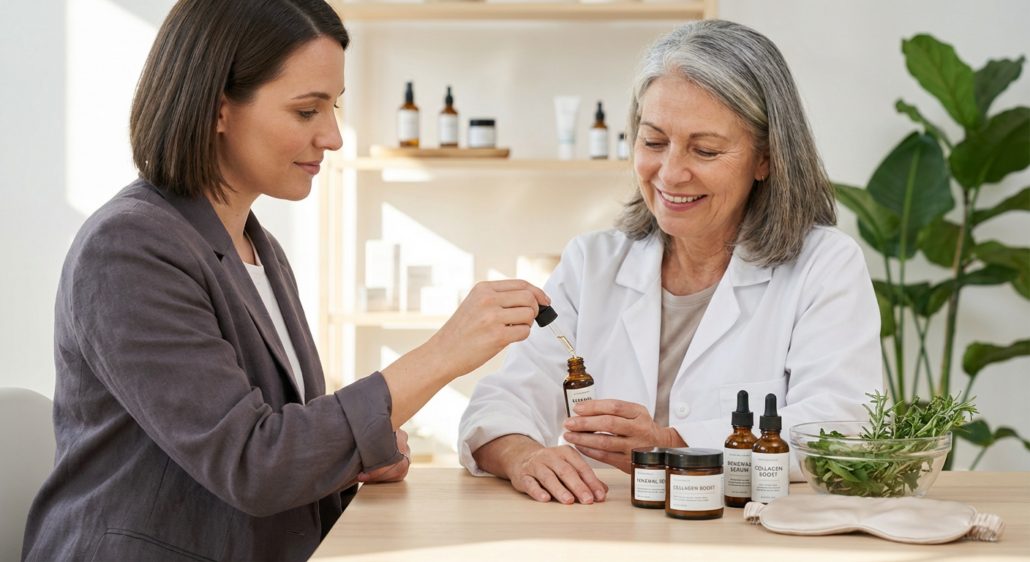
20 Anti-Aging Skincare Tips That Actually Work

Dr. Matthew Olesiak, MD, is the Chief Medical Director at SANESolution, a renowned wellness technology company dedicated to providing evidence-based solutions for optimal living. Dr. Olesiak earned his medical degree from the prestigious Jagiellonian University Medical College in Kraków, Poland, where he developed a strong foundation in medicine.
Anti-aging skincare is the combination of daily habits, active ingredients, and professional treatments that slow, prevent, or partially reverse the visible signs of aging on skin, including wrinkles, fine lines, sagging, uneven skin tone, and dark spots. Decades of research across dermatology journals confirm that consistent use of sunscreen, retinoids, and antioxidants can measurably reduce visible signs of photoaging within 8 to 16 weeks of regular use. The 20 tips below are ranked by impact, starting with the non-negotiable foundations that account for roughly 80% of results, then building into the active ingredients, lifestyle changes, and professional options that compound those gains over time.
Aging is inevitable. But premature aging? That’s largely optional. I’ve spent years researching what actually moves the needle for keeping skin looking younger, healthier, and more resilient. Healthy habits drive healthy skin, and most of it has nothing to do with expensive creams or miracle serums. This is my favorite approach. I swear by it: the real anti aging skincare tips that work come down to science-backed habits, proven active ingredients, and a few lifestyle changes you can start today.
Here’s what I’ve found after digging through peer-reviewed research, studying what skin care experts and dermatologists actually recommend to their patients, and testing routines on my own skin: the aging process is driven by two forces: chronological aging (genetics and time) and extrinsic aging (everything you do to your skin from the outside). You can’t control the first one. But the second? That’s entirely in your hands.
This guide breaks down every anti aging skin care strategy into three tiers: the non-negotiable foundation, the effective active ingredients, and the lifestyle accelerators that compound results over time. Whether you’re 25 and thinking about prevention or 55 and looking for visible improvement, these tips apply to every skin type and every budget.

The Non-Negotiable Foundation: Daily Habits That Prevent Premature Aging
Before you spend a dollar on serums or treatments, get these basics locked in. They account for roughly 80% of your anti aging results, and skipping any of them undermines everything else you do.
Wear Broad Spectrum Sunscreen Every Single Day
Sun exposure is responsible for approximately 80% of visible skin aging, according to research published in Clinical, Cosmetic and Investigational Dermatology. That statistic alone shows the importance of making sunscreen your number-one priority. UV radiation from the sun breaks down collagen and elastin (the structural proteins that keep skin firm and bouncy) while also triggering the melanin overproduction that leads to dark spots on skin, sun spots, and uneven skin tone.
Apply a broad spectrum SPF sunscreen with at least SPF 30 every morning, even on cloudy days and during winter. UVA rays (the ones that accelerate aging, distinct from UVB which causes burning) penetrate clouds and glass, meaning your skin is constantly exposed even indoors. Reapply every two hours if you’re outdoors, which is especially important during peak sun hours, and don’t forget your neck, chest, and the backs of your hands. These areas show age spots and sun damage just as quickly as your face.
For extra sun protection, wear protective clothing like wide-brimmed hats and UPF-rated fabrics when you’ll be outside. If you prefer mineral sunscreen over chemical options (which may contain oxybenzone), look for zinc oxide or titanium dioxide formulas for extended periods. As dermatologists share with their patients, this combination of sunscreen and protective clothing is the single most effective way to prevent wrinkles, reduce skin cancer risk, and protect skin from the DNA damage and UV damage caused by UV radiation.
Use a Gentle Cleanser (Not a Harsh Scrub)
Your skin barrier is a thin, protective layer of lipids that keeps moisture in and irritants out. Harsh cleansers, scrubs with large particles, and foaming washes with sulfates strip away these natural oils, and leave skin dry, tight, and vulnerable to accelerated aging. When the skin barrier is compromised, fine lines and wrinkles appear deeper and skin texture becomes rough and uneven.
Switch to a gentle cleanser, one that’s pH-balanced (around 5.5) and free of sodium lauryl sulfate. Cream or gel cleansers with ceramides are ideal because they remove dirt, makeup, and debris without disrupting the outer layer of your skin. Wash your face twice daily: once in the morning to remove overnight oil buildup, and once at night for a deep clean to clear sunscreen, pollution, and dead skin cells.
If you have oily skin, you might be tempted to over-cleanse. Resist it. Stripping natural oils actually triggers more oil production, a rebound effect that can clog pores and lead to breakouts on top of aging concerns.
Moisturize to Lock In Hydration
Healthy, hydrated skin looks plumper, smooth and radiant, and more resilient. A lack of hydration makes fine lines more visible, skin tone duller, and skin texture rougher. A great moisturizer helps serve as the final step in your basic skin care routine, and it seals in the active ingredients you’ve applied and reinforces the skin barrier.
A good moisturizer includes ceramides, glycerin, and squalane. These ingredients (along with minerals like zinc) mimic the natural oils your skin produces and help maintain hydration for hours. If your skin is dry or mature, consider adding a thicker, more moisturizing cream formula. For oily or combination skin, a lightweight lightweight moisturizing gel works better without feeling heavy, drying out skin, or causing breakouts.
Apply moisturizer to slightly damp skin because this traps extra water molecules and boosts absorption. And don’t skip this step even if you’re using other skin care products. Every anti aging skincare routine needs a moisturizer designed to serve as its anchor.
Effective Active Ingredients for Aging Skin
Once your foundation is solid, these active ingredients take your anti aging skin care from maintenance to real transformation. Experts agree that each one has decades of clinical research behind it, and they target different aspects of the aging process, from collagen production to pigmentation to skin elasticity.
Retinol: The Gold Standard of Anti Aging
If you could only use one anti aging ingredient for the rest of your life, retinol (derived from vitamin A, also called retinoids) would be the smart pick. Vitamin A derivatives are backed by more clinical evidence than any other anti aging ingredient. Retinol and its stronger prescription-strength cousins (prescription retinoids like tretinoin) work by accelerating skin cell turnover, which means dead skin cells are shed faster and replaced by fresh, younger looking skin cells underneath.
But retinol does more than exfoliate. It helps penetrate into the dermis and deeper layers of skin to stimulate collagen production, reduce the appearance of fine lines and wrinkles, and it improves skin tone while fading age spots and liver spots, and improve skin texture and skin tone overall. Research in evidence-based dermatology, including a 2020 clinical study published in Skin Pharmacology and Physiology, found that participants using 0.5% retinol saw measurable improvements in facial wrinkles, skin thickness, and skin elasticity after 12 weeks.
If you’re new to retinol, start slowly. Go low and slow. Use a retinol product in the 0.25% to 0.3% range two to three nights per week, always at night (retinol degrades in sunlight, and it should be avoided during pregnancy). Expect some mild skin irritation (redness, dryness, or flaking) during the first two to four weeks. This is normal and temporary. Gradually increase to nightly use as your skin builds tolerance. For sensitive skin, try a retinol paired with niacinamide, which buffers irritation while delivering its own anti aging benefits.
Vitamin C Serum: Your Morning Antioxidant Shield
Vitamin C, specifically L-ascorbic acid, is one of the most well-studied antioxidants in skin care. Applied topically as a vitamin C serum, it neutralizes free radical damage caused by daily sun exposure, pollution, and other environmental stressors. Free radicals are unstable molecules that attack collagen and elastin fibers, contributing to wrinkles, sagging, and uneven pigmentation.
Beyond defense, vitamin C actively boosts collagen synthesis, meaning it helps your skin rebuild the structural proteins that keep it firm, smooth, and resilient. Additionally, it helps inhibit excess melanin production, which makes it effective for fading dark spots, sun spots, and post-inflammatory hyperpigmentation. Research published in the journal Nutrients found that vitamin C at concentrations of 10-20% can visibly improve skin texture, reduce wrinkles, and it improves skin tone within 8-12 weeks.
Use your vitamin C serum every morning, after cleansing and before sunscreen. Look for products in the 15-20% ascorbic acid range in a dark, airtight bottle because vitamin C oxidizes quickly when exposed to light and air. Consider adding vitamin E for a synergistic effect that enhances its protective power against UV radiation and free radical damage.
Hyaluronic Acid: Instant Plumping Without the Needles
Hyaluronic acid is a humectant naturally present in your skin that can hold up to 1,000 times its weight in water. As you age, your natural hyaluronic acid levels drop , contributing to the loss of volume, radiant skin, and that dewy, youthful glow associated with younger skin.
Topical hyaluronic acid doesn’t replace what’s lost internally, but it draws moisture from the air and deeper skin layers into the outer layer, giving an immediate plumping effect that softens fine lines and makes skin look and feel more hydrated. It works for every skin type (oily, dry, sensitive, or combination) without problems like clogging pores or causing skin irritation.
Apply hyaluronic acid to damp skin (this step is crucial . On dry skin, it can actually pull moisture out of the skin.) Layer your moisturizer on top to seal everything in. Many aging skin care products combine hyaluronic acid with peptides or niacinamide for a multi-targeted approach to younger looking skin.
Peptides: Building Blocks for Skin Firmness
Peptides are short chains of amino acids that act as chemical messengers in your skin. When applied topically, certain peptides signal your skin cells to ramp up collagen production, stimulate collagen synthesis, and repair damage that contributes to sagging and fine lines. Think of them as sending a text to your skin saying “make more collagen.”
The list of effective peptides includes copper peptides and palmitoyl pentapeptide-4 (Matrixyl), which are among the most researched. A study in the International Journal of Cosmetic Science found that Matrixyl can stimulate collagen production by up to 117% in treated skin. Peptides are also generally well-tolerated, making them a great option for people with sensitive skin who can’t tolerate retinol or chemical exfoliants.
Use peptide serums morning or evening (they play well with most other active ingredients). Layer them under your moisturizer for best absorption. Over time, consistent peptide use can help keep skin firm, improve skin elasticity, and reduce the appearance of wrinkles.
Niacinamide: The Multitasker Your Routine Needs
Niacinamide (vitamin B3) doesn’t get the hype of retinol or vitamin C, but you’ve probably heard how effective it is. And it should. This ingredient strengthens the skin barrier, helps reduce redness and inflammation, helps minimize pore appearance, regulates oil production, and fades dark spots and uneven pigmentation. It’s also one of the few active ingredients that works well alongside almost everything else in your routine (retinol, vitamin C, hyaluronic acid, and peptides).
Look for concentrations between 3-5% in serums or moisturizers. Higher isn’t always better with niacinamide. At very high concentrations, it can cause flushing in some skin types. Used consistently, niacinamide helps improve skin texture, boost skin elasticity, and support overall age spot fading.
Chemical Exfoliation: Resurfacing for Smoother, Younger Looking Skin
Dead skin cells accumulate on the surface of your skin, making it look dull, dry, and older than it is. A chemical exfoliant exfoliates by dissolving the bonds between these dead skin cells, revealing the fresher, brighter skin underneath for a noticeable brightening effect. Unlike physical scrubs (which can cause micro-tears), chemical exfoliants are gentler and more effective for anti aging skin care.
AHAs: Alpha Hydroxy Acids for Surface Renewal
Alpha hydroxy acids (glycolic acid, lactic acid, and mandelic acid), work on the outer layer of skin to remove dead skin cells, improve skin texture, and reduce the appearance of fine lines, age spots, and uneven skin tone. Glycolic acid exfoliates most effectively because it has the smallest molecular size, and the smallest molecular size, so it penetrates deepest and delivers the most dramatic results. Lactic acid is gentler and adds hydration, making it better for dry or sensitive skin conditions.
Start with a low-concentration AHA product (5-8%) used two to three times per week. As your skin adjusts, you can incorporate a 10-15% product or use it more frequently. Always apply sunscreen the morning after using AHAs because they temporarily increase sun sensitivity.
BHAs: Beta Hydroxy Acids for Deeper Cleansing
Beta hydroxy acids (primarily salicylic acid) are oil-soluble, meaning they can penetrate into pores to dissolve sebum and debris that clog pores. While AHAs work primarily on the surface, BHAs are better for people dealing with breakouts alongside aging concerns. In addition, salicylic acid has anti-inflammatory properties, which helps reduce redness and irritation.
If your skin is oily or prone to breakouts, a BHA product can address both aging and acne without stripping your skin barrier. An effective BHA routine includes a 1-2% salicylic acid product a few times per week, alternating with your retinol nights to avoid over-exfoliating.
Skin Cycling: A Smarter Way to Use Active Ingredients
Skin cycling is a dermatologist-recommended approach that helps you use active ingredients in a structured rotation rather than applying everything every night. The concept follows four key steps: Night 1 is exfoliation (AHA or BHA), Night 2 is retinol, and Nights 3-4 are recovery (moisturizer only, no actives). Then you repeat the cycle.
Experts say this method helps sensitive skin types achieve noticeable anti aging results without the irritation that comes from overloading your routine. The recovery nights are crucial because they give your skin barrier time to heal, which means your active ingredients work better on the nights you do use them. Dermatologists say skin cycling helps beginners follow a consistent routine and helps experienced users avoid the plateau effect where their skin stops responding to constant stimulation. If you find yourself dealing with redness or flaking from your current routine, try adopting these steps for four weeks and see if your skin improves.
Targeted Treatments: Eye Cream, Facial Oil, and SPF Lip Care
Your face gets most of the attention, but the thinnest, most fragile skin is around your eyes, on your lips, and on your neck and chest. These areas show early signs of aging first, and they’re often the most neglected.
Eye Cream for Fine Lines and Dark Circles
The skin around your eyes is roughly 40% thinner than the rest of your face. It has fewer oil glands, less collagen, which is crucial to understand because, and experiences constant movement from facial muscles and expressions like blinking, squinting, and smiling. That’s why crow’s feet and under-eye lines are among the early signs of aging that become visible first.
A targeted eye cream with peptides, caffeine, and hyaluronic acid can help. Using a hyaluronic acid serum around the eyes adds even more moisture to this delicate area. Peptides stimulate collagen in this delicate area, caffeine targets puffiness and under-eye puffiness by constricting blood vessels (store your eye cream in a cool place for extra depuffing), and hyaluronic acid provides hydration without heaviness. Pat (don’t rub) eye cream around the orbital bone around your eyes morning and evening. Gentle application matters here. Tugging on this thin skin accelerates wrinkle formation. Most early wrinkles occur in this area.
Facial Oil as a Nighttime Repair Booster
Facial oil has made a comeback in anti aging skin care, and for good reason. The main reason is science. Oils like rosehip, argan, and marula are rich in fatty acids, vitamin E, and antioxidants that support overnight skin repair. They help reinforce the skin barrier, reduce transepidermal water loss, and deliver fat-soluble nutrients directly into the skin.
Apply facial oil as the last step of your nighttime routine, after serums and moisturizer. Oils create an occlusive layer that helps smooth and lock everything in. A few drops are enough. Blend gently with your fingertips. If you have oily skin, look for lighter natural oils like jojoba or squalane that won’t clog pores or feel greasy.
Neck, Chest, and Hands: Don’t Stop at Your Jawline
I see this mistake constantly: people invest in a meticulous facial skin care routine but ignore their neck, chest, and hands completely. These areas have thin skin, receive significant sun exposure, and develop wrinkles, age spots, and crepe-like texture just as readily as the face. Start adding every product you use on your face (sunscreen, retinol, vitamin C, moisturizer), down to your chest and onto the backs of your hands. The skin change you’ll see over six months will be dramatic.
Lifestyle Habits That Accelerate or Reverse the Aging Process
Your skin care routine is only half the equation. What you eat, how you sleep, and how you manage stress affect skin aging at a cellular level. These aren’t vague wellness platitudes. Each one has concrete mechanisms that either accelerate or slow the aging process.
Eat an Antioxidant-Rich Diet
A healthy anti aging strategy includes feeding your body the antioxidants and nutrients it needs to fight the same free radical damage your vitamin C serum fights topically. Foods rich in vitamins A, C, and E (berries, leafy greens, sweet potatoes, nuts, and fatty fish) nourish skin cells with the raw materials they need to repair and rebuild collagen. A study in the American Journal of Clinical Nutrition found that higher vitamin C intake was associated with a lower likelihood of wrinkles and age-related skin dryness.
Healthy fats like omega-3 fatty acids from salmon, mackerel, and walnuts also reduce inflammation and help maintain the skin barrier. Your diet also includes risks: foods high in refined sugar accelerate a process called glycation, where sugar molecules bond to collagen and elastin, making them stiff and brittle. That’s why excessive sugar intake visibly ages skin because it literally degrades the proteins that keep skin firm and elastic.
Prioritize 7-9 Hours of Quality Sleep
Sleep experts and dermatologists both point to the same finding: your skin does its heaviest repair work between 11 PM and 3 AM. During deep sleep, growth hormone levels peak, collagen production increases, and blood flow to the skin rises, delivering oxygen and nutrients to bring repair while clearing waste products. Chronic sleep deprivation (fewer than 6 hours per night) elevates cortisol, a stress hormone that breaks down collagen and accelerates skin aging.
A 2015 study in Clinical and Experimental Dermatology found that poor sleepers had significantly more signs of aging on skin, including fine lines, uneven pigmentation, and reduced skin elasticity, and even changes to hair health, compared to good sleepers. They also recovered more slowly from sun exposure damage. Prioritize sleep as an anti aging strategy, not an afterthought.
Manage Stress Before It Shows on Your Face
Chronic stress doesn’t just feel bad. It accelerates the aging process at a molecular level. Stress triggers elevated cortisol, which breaks down collagen and elastin, increases inflammation, and impairs the skin barrier. Over time, this manifests as deeper wrinkles, sagging skin, persistent redness, and flare-ups of skin conditions like eczema and rosacea.
Find a stress management practice that works for you: meditation, yoga, deep breathing exercises, regular exercise, anxiety management techniques, therapy, or simply setting better boundaries. The stress-aging connection is real, and managing it is one of the most overlooked anti aging skincare tips available.
Stop Smoking and Limit Alcohol
Smoking speeds up aging by narrowing blood vessels in the outer layer of skin, reducing blood flow and depriving skin cells of oxygen and nutrients. It also damages collagen and elastin directly. The result: deep wrinkles, sallow skin tone, and accelerated aging that’s visible years earlier than in non-smokers. If you smoke, quitting is the single most impactful skin change you can make.
Alcohol dehydrates your body and your skin, dilates blood vessels (contributing to redness and visible blood vessels on the face), and impairs your liver’s ability to detoxify and your skin’s ability to repair itself. Moderate your intake to lessen the effects on your skin. Your skin, and your overall skin health, will thank you.
Stay Hydrated Throughout the Day
Drinking adequate water supports every function your skin performs, from maintaining the skin barrier to flushing toxins. While drinking water alone won’t erase wrinkles, chronic dehydration makes skin look duller, thinner, and more prone to fine lines. To achieve better skin health and proper hydration, aim for 8 glasses daily, more if you exercise or live in a dry climate. Pair internal hydration with topical humectants like hyaluronic acid for the best results.
How Hormonal Changes Affect Skin Aging
Hormonal shifts play a major role in how skin undergoes visible aging, particularly for women. During perimenopause and menopause, declining estrogen levels cause skin to lose roughly 30% of its collagen in the first five years, according to research published in the Endocrine Society journals. This accelerated collagen loss leads to thinner skin, more noticeable wrinkles, increased dryness, and slower wound healing.
Understanding these hormonal effects helps you adjust your routine proactively. Women approaching menopause should increase their use of retinoids, peptides, and ceramide-rich creams to counteract the collagen decline. Estrogen also affects skin health by regulating moisture levels and oil production, so switching to richer moisturizing formulas during this transition is important. Aging is a natural part of life, but understanding the hormonal component gives you the tools to address its effects before they become severe. Consult a dermatologist if you notice rapid skin changes caused by hormonal shifts.
Professional Treatment Options: When Home Care Isn’t Enough
Topical skin care products can do a lot, but they have limits. For deep wrinkles, significant volume loss, stubborn pigmentation, or dramatic skin texture concerns, professional treatments from a dermatologist or trained aesthetic dermatology provider can deliver results that no cream or serum can match.
Chemical Peels for Resurfacing and Pigmentation
Professional chemical peels use higher concentrations of alpha hydroxy acids, trichloroacetic acid, or other agents to remove damaged outer skin layers and stimulate collagen production underneath. Superficial peels offer minimal downtime (glycolic or lactic acid peels are popular options) and gradually improve skin texture, reduce fine lines, and fade age spots and dark spots. Medium-depth peels offer stronger results and target deeper wrinkles and more stubborn pigmentation but involve a few days of peeling, redness, and mild swelling.
According to anti aging experts, a series of 3-6 chemical peels, spaced 4-6 weeks apart, can produce significant improvement in skin tone, fine lines and wrinkles, and overall radiant skin appearance. They’re one of the most cost-effective professional treatment solutions available.
Microneedling to Stimulate Collagen
Microneedling creates thousands of controlled micro-injuries in the skin using tiny needles. This controlled injury triggers a wound-healing response caused by the controlled injury that ramps up collagen production and stimulates collagen synthesis in the treated areas. Over a series of 3-4 sessions, microneedling can visibly improve skin texture, reduce the appearance of fine lines, tighten mildly lax skin, and fade acne scars and dark spots.
Home microneedling devices exist, but professional treatments use longer needles (1.0-2.5mm vs. 0.25mm for home devices) and deliver significantly better results. If you’re interested in microneedling, go to a qualified provider for the real thing.
Laser Therapy for Sun Damage and Deep Wrinkles
Laser therapy uses focused light energy to target specific skin concerns. Fractional lasers (like Fraxel) create microscopic columns of heat in the skin, triggering collagen remodeling while leaving surrounding tissue intact for faster healing. Ablative lasers remove thin layers of skin for more dramatic resurfacing. IPL (intense pulsed light) targets pigmentation and visible blood vessels specifically.
Laser treatments for dark spots and wrinkles can produce dramatic improvement, but they require more downtime than peels or microneedling. Discuss the options with a dermatologist or skin health provider to determine which laser therapy approach suits your skin type, concerns, and recovery timeline.
Botulinum Toxin and Dermal Fillers
Botulinum toxin (Botox, Dysport, Xeomin) relaxes the facial muscles responsible for expression lines: crow’s feet, frown lines, and forehead wrinkles caused by years of repeated facial expressions. It doesn’t fix sun damage or improve skin texture, but it’s highly effective at softening dynamic wrinkles that no topical product can touch. Results last 3-4 months.
Dermal fillers (hyaluronic acid-based products like Juvederm and Restylane) restore volume loss in areas like the cheeks, nasolabial folds (the lines from nose to mouth), and under-eyes. They can also soften deep wrinkles and create a more youthful appearance immediately. Results last 6-18 months depending on the product and location. Both botulinum toxin and dermal fillers fall under aesthetic medicine (not aesthetic surgery), and they are considered minimally invasive cosmetic procedures. Each procedure. Talk to a qualified dermatologist or aesthetic dermatology provider about whether they’re the right steps toward more youthful skin for you.
How to Choose Anti Aging Products for Your Skin Type
Walking into a drugstore aisle full of anti aging products can feel overwhelming. Creams, lotions, serums, and toners compete for shelf space, each promising youthful skin and fewer wrinkles. The key to choosing well is understanding what your skin actually needs. Dermatologists say most people waste money on anti aging products that contain the wrong key ingredients for their particular concerns, or they layer creams and lotions without a clear plan.
Anti Aging Serum vs. Cream vs. Lotion
An anti aging serum typically contains higher concentrations of key ingredients like retinol, vitamin C, or peptides in a lightweight formula designed for deeper absorption. Creams are thicker, offer more moisturizing power, and work well for dry or mature skin. Lotions fall somewhere in between and suit oily or combination skin types that need hydration without heaviness. Choose based on your skin type: lightweight serums and lotions for oily skin, richer creams for dry skin, and fragrance-free, gentle formulas for sensitive skin.
The Role of Toner in an Anti Aging Routine
Toner is one of the most misunderstood steps in a beauty routine. Old-school toners were alcohol-based, drying, and stripping, but modern toners are formulated with hydrating and anti aging ingredients like niacinamide, hyaluronic acid, and gentle exfoliating acids. A good toner helps prep the skin for better absorption of your serums and creams, adds a layer of hydration, and can address skin discoloration. If you have oily skin, a toner with salicylic acid helps control shine without drying effects. For mature skin dealing with discoloration and dullness, a toner with glycolic acid exfoliates the top layer and improves skin tone. Toner is not a mandatory step, but adding one to your routine can maximize results.
Common Anti Aging Mistakes That Make Skin Age Faster
Sometimes what you don’t do matters as much as what you do. These issues and mistakes silently accelerate skin aging:
- Skipping sunscreen on cloudy days. Up to 80% of UV radiation penetrates clouds. Skipping sun protection even once exposes your skin to cumulative damage that contributes to premature aging, age spots, and skin cancer risk.
- Over-exfoliating. Using too many active ingredients at once (retinol, AHAs, BHAs, and vitamin C all in one night) can destroy your skin barrier, causing redness, peeling, and increased sensitivity. More products don’t equal better results.
- Sleeping in makeup. Makeup traps dirt, oil, and pollution against your skin overnight, preventing skin cells from repairing themselves. One night won’t ruin your skin, but making it a habit absolutely will.
- Using products labeled “anti aging” without checking ingredients. Marketing claims mean nothing without proven active ingredients. Look for retinol, vitamin C, peptides, hyaluronic acid, or niacinamide on the ingredients list, not just on the label.
- Neglecting your neck and hands. These areas get the same sun exposure as your face but rarely get the same care. The result: a youthful face sitting above a visibly aged neck.
- Not wearing sunglasses. Squinting in bright light creates expression lines around the eyes. Sunglasses reduce this repetitive facial expression and protect the delicate eye area from UV radiation.
Anti Aging Skincare Routine: Morning and Evening Order
Knowing which skincare products to use is only half the battle. Following the correct steps and applying them in the right order ensures each ingredient penetrates properly and works at full effectiveness. Here are the steps in the correct layering sequence for a variety of product types:
Morning Routine
- Gentle cleanser: Remove overnight oil and residue
- Vitamin C serum: Antioxidant protection for the day ahead
- Hyaluronic acid: Apply to damp skin for plumping hydration
- Niacinamide serum: Barrier support, oil control, even skin tone
- Eye cream: Pat gently around the orbital bone
- Moisturizer: Lock in all active ingredients
- Broad spectrum sunscreen SPF 30+: The non-negotiable final step
Evening Routine
- Gentle cleanser (double cleanse with an oil cleanser first if wearing sunscreen or makeup)
- Chemical exfoliant (AHA or BHA, 2-3 nights per week, alternating with retinol)
- Retinol or retinoid (on non-exfoliating nights)
- Peptide serum. Can be layered with retinol
- Eye cream
- Moisturizer
- Facial oil (optional, as the final sealing layer)
The general rule: apply products from thinnest to thickest consistency. Serums go before creams. Oils go last. And sunscreen is always the final step in your morning routine.
Anti Aging Ingredient Comparison: What Does What?
| Ingredient | Primary Benefit | Best For | When to Use | Time to See Results |
|---|---|---|---|---|
| Retinol | Stimulate collagen, accelerate cell turnover | Fine lines, wrinkles, age spots, skin texture | Evening | 8-12 weeks |
| Vitamin C | Antioxidant protection, brighten skin | Dark spots, dullness, sun damage, collagen support | Morning | 4-8 weeks |
| Hyaluronic Acid | Deep hydration, plumping | Dehydrated skin, fine lines, all skin types | Morning and Evening | Immediate to 2 weeks |
| Niacinamide | Barrier repair, reduce redness | Pigmentation, large pores, sensitive skin | Morning and Evening | 4-8 weeks |
| Peptides | Signal collagen and elastin production | Sagging, loss of firmness, fine lines | Morning or Evening | 8-12 weeks |
| AHAs (Glycolic, Lactic) | Surface exfoliation | Dullness, rough skin texture, dark spots | Evening (2-3x/week) | 2-4 weeks |
| BHAs (Salicylic Acid) | Pore-clearing exfoliation | Oily skin, acne plus aging concerns | Evening (2-3x/week) | 2-6 weeks |
Frequently Asked Questions About Anti Aging Skincare
At what age should you start an anti aging skincare routine?
Prevention is easier than repair. Starting a basic anti aging routine in your mid-20s (sunscreen, gentle cleanser, moisturizer, and an antioxidant like vitamin C) sets you up for much better skin in your 40s and beyond. That said, it’s genuinely never too late. Even younger women and men who start early and older adults who start late will see improvement from consistent use of proven active ingredients like retinol and sunscreen. The best time to start was 10 years ago. The second best time is today.
What is the single most effective anti aging ingredient?
For prevention, sunscreen wins hands-down. Nothing else comes close to blocking the UV radiation responsible for 90% of premature aging. For repair of existing damage, retinol is the gold standard. No other topical ingredient has as much clinical evidence supporting its ability to stimulate collagen, reduce wrinkles, and improve skin texture.
Can you actually reverse wrinkles?
You can significantly reduce the appearance of fine lines and shallow wrinkles with consistent retinol use, chemical peels, and professional treatments like microneedling and laser therapy. Deep wrinkles caused by cumulative sun exposure, facial expressions, and volume loss are harder to reverse with topical products alone, that’s where dermal fillers, botulinum toxin, and laser resurfacing become relevant treatment options. The realistic goal: soften, reduce, and prevent new ones. Not complete erasure.
How long does it take to see results from anti aging products?
Most key ingredients need 8-12 weeks of consistent use before you’ll see meaningful visible improvement. Hyaluronic acid provides an immediate hydration boost, but structural changes like increased collagen production and faded pigmentation take time. The skin’s natural renewal cycle is roughly 28 days, and it takes multiple cycles for active ingredients to build cumulative results. Patience and consistency are more important than product-hopping, every single time.
Is expensive skincare actually better?
Not necessarily. What matters is the kind of formulation you choose: the concentration of active ingredients, the stability of the product, and the delivery system. For example, a $15 retinol from a reputable brand, formulated at an effective 0.5% concentration, can outperform a $150 cream packed with filler ingredients. Keep it simple: read ingredient lists, not price tags. Your choice of products should follow one recommendation: buy based on formulation, not marketing. Look for proven key ingredients at effective concentrations, and skip products that lead with fragrance or marketing buzzwords over substance.
Does diet really affect how fast your skin ages?
Absolutely. What you eat directly impacts collagen production, inflammation levels, and how well your skin cells repair themselves. Diets high in refined sugar cause glycation , a process where sugar molecules cross-link with collagen and elastin, making them stiff and fragile. Meanwhile, antioxidant-rich foods (berries, green vegetables, fatty fish) provide the raw materials your body needs to fight free radical damage internally. Your skin reflects what you feed it. A balanced diet rich in vitamins, healthy fats, and probiotics is one of the most underrated anti aging steps.
What skincare products should I avoid if I have sensitive skin?
Avoid products with high concentrations of fragrance, alcohol (denatured alcohol), essential oils, and harsh sulfate cleansers. When adding any new active ingredient, especially retinol and chemical exfoliants, at the lowest available concentration and increase gradually. Sensitive skin can still benefit from anti aging active ingredients, but you need to introduce products more slowly and more deliberate. A helpful tip: buffering retinol with a moisturizer (applying moisturizer first, then retinol) is a proven way to reduce skin irritation while still getting anti aging benefits.
Putting It All Together: Your Anti Aging Action Plan
You don’t need a 15-step routine or a cabinet full of things to fight premature aging effectively. You need to understand the right basics, understand the right active ingredients for your specific concerns, and the discipline to stick with it. Here’s the priority order:
- Sunscreen daily. This alone prevents more premature aging than everything else combined.
- Retinol at night. The most proven anti aging active ingredient available without a prescription.
- Vitamin C in the morning. Protects against free radical damage and supports collagen production.
- Moisturize consistently. Maintains hydration and reinforces your skin barrier.
- Exfoliate weekly. AHAs or BHAs keep dead skin cells from dulling your complexion.
- Sleep, eat well, manage stress. These lifestyle factors compound the results of everything you apply topically.
Consistency beats intensity. A simple, focused routine used daily outperforms an elaborate one used sporadically. Continue using your products and give them time to work (at minimum 8-12 weeks), resist the urge to add everything at once, and remember that the biggest difference comes from consistency. The best anti aging skincare routine is the one you’ll actually follow consistently, every day, and follow through on.
For more targeted help with specific aging concerns, explore our guides on retinol for dark spots, how to fade dark spots on face, dark spots on face treatment options, and how to remove dark spots from face. Whatever your starting point, learn from the research, learn what works for your skin, and be patient, because better skin is a matter of strategy and patience, not luck.

