
Alpha Arbutin: Your Complete Guide to Brighter, Even Skin

Dr. Matthew Olesiak, MD, is the Chief Medical Director at SANESolution, a renowned wellness technology company dedicated to providing evidence-based solutions for optimal living. Dr. Olesiak earned his medical degree from the prestigious Jagiellonian University Medical College in Kraków, Poland, where he developed a strong foundation in medicine.
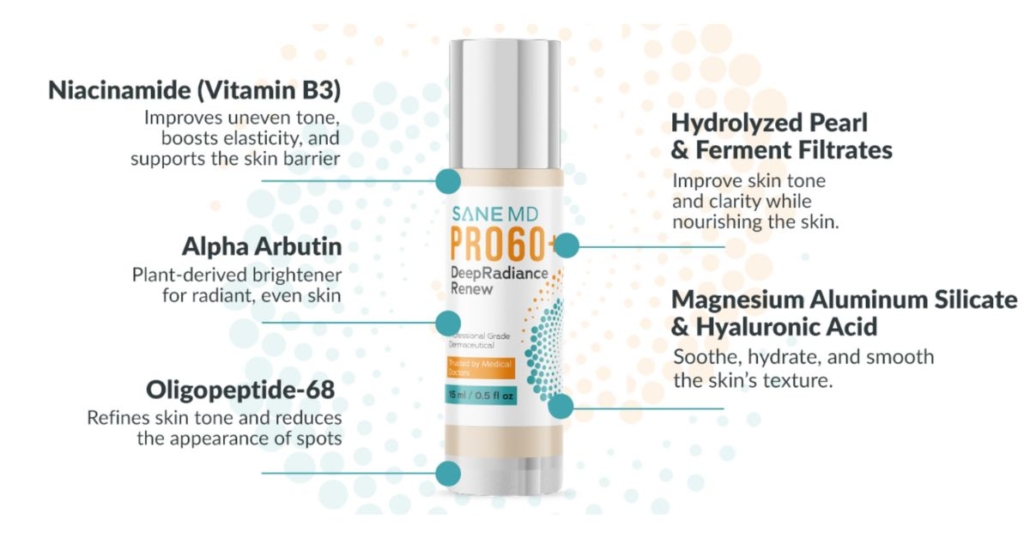
Alpha arbutin is a water-soluble compound that targets uneven skin tone and reduces the appearance of dark spots, hyperpigmentation, and discoloration by inhibiting tyrosinase, the enzyme responsible for melanin synthesis. Derived originally from the bearberry plant (Arctostaphylos uva-ursi), purified alpha arbutin is now produced through biotechnology using enzymatic synthesis with sucrose phosphorylase, making it one of the most stable and effective skin lightening agents available in modern cosmetic products.
If you’ve been researching ways to fade dark spots or achieve a more even complexion, you’ve probably come across dozens of active ingredients. Alpha arbutin stands out because it combines real efficacy with a gentle safety profile that works across all skin types, including sensitive skin and acne prone skin. I’ve spent years reviewing the research on brightening ingredients, and alpha arbutin consistently ranks among the best options for individuals who want visible results without the irritation that comes with stronger alternatives like hydroquinone or tretinoin.
What Is Alpha Arbutin?
Alpha arbutin (also written as α-arbutin in scientific literature) is a glycoside, a sugar molecule (glucose) bonded to hydroquinone. That bond is what makes alpha arbutin so much safer than pure hydroquinone. The glucose molecule acts as a protective carrier, providing controlled delivery of the active component to melanocytes rather than flooding the skin all at once.
Historically, arbutin was extracted from the leaves of the bearberry plant, along with other botanical sources like mulberry, cranberry, and blueberry. Today, most cosmetic-grade purified alpha arbutin is produced through enzymatic synthesis using sucrose phosphorylase. This biotechnology process creates purified alpha arbutin with higher stability and potency compared to plant-derived versions found in many beauty products and face creams.
There are two forms of arbutin used in skin care: alpha arbutin and beta arbutin (β-arbutin). The difference matters. A 1995 study published in Bioscience, Biotechnology, and Biochemistry found that α-arbutin is up to 10 times more effective at inhibiting tyrosinase from mouse melanoma than β-arbutin. Beta arbutin degrades faster, meaning it loses potency more quickly in formulations. When you see “arbutin” on a product label without a prefix, it usually refers to β-arbutin, so always look for the “alpha” designation when choosing products.
The scientific name for this compound is 4-hydroxyphenyl-α-D-glucopyranoside. You don’t need to remember that, but it helps explain why dark spots on skin respond to this ingredient: its molecular structure allows it to compete directly with tyrosine at the tyrosinase enzyme’s active site. Alpha arbutin has also shown antioxidant properties in research, which provides added benefits beyond its depigmenting mechanism.
How Alpha Arbutin Works: The Mechanism Behind Skin Brightening
Understanding how α-arbutin works helps explain why it’s effective and why it’s safer than many alternatives. The mechanism centers on one enzyme: tyrosinase.
Tyrosinase is the rate-limiting enzyme in melanin synthesis. When UV exposure, hormonal changes, or inflammation trigger your melanocytes, those cells produce tyrosinase, which then converts the amino acid tyrosine into melanin through a multi-step oxidation process. More tyrosinase activity means more melanin production, and excess melanin concentrated in specific areas creates the dark spots, sun damage, and discoloration that drives most individuals to search for brightening products.
Alpha arbutin works by competitively inhibiting tyrosinase. It binds to the same active site on the enzyme that tyrosine normally occupies. Think of it as a key that fits the lock but doesn’t turn it. While alpha arbutin sits in that active site, tyrosine can’t access it, so melanin synthesis slows down in that area. This action produces a measurable decrease in pigment production over time.
This mechanism is fundamentally different from how hydroquinone works. Hydroquinone is cytotoxic to melanocytes at high concentrations, meaning it can damage or destroy the cells that produce pigment. Alpha arbutin doesn’t destroy anything. It simply reduces the rate of melanin synthesis, which is why it carries a much lower risk of side effects like ochronosis, a paradoxical darkening of skin that can occur with long-term hydroquinone use.
A 2004 study by Sugimoto et al. In Biological and Pharmaceutical Bulletin found that α-arbutin at a concentration of 250 μg per tissue reduced melanin content to 40% of control levels in cultured human melanoma cells, without affecting cell viability or tyrosinase gene expression. That’s a 60% reduction in melanin from a gentle compound. The researchers observed that α-arbutin decreased tyrosinase activity at the protein level while leaving mRNA levels unchanged, which means the compound targets the enzyme directly rather than altering gene expression patterns.
A complete 2021 review in Antioxidants confirmed that α-arbutin has antioxidant properties alongside its skin lightening effects, providing dual-action benefits for skin brightness and overall skin quality.
Benefits of Alpha Arbutin for Skin
Alpha arbutin does more than fade dark spots. Here’s what the research and real-world experiences from product reviews actually show.
Reduces Hyperpigmentation and Dark Spots
This is the headline benefit. Alpha arbutin visibly evens skin tone by targeting melanin overproduction at its source. Whether you’re dealing with dark spots after acne, sun spots from years of UV exposure, or patches of discoloration on your cheeks or forehead, alpha arbutin targets uneven skin tone and reduces the appearance of dark spots over time. The majority of users who add this serum to their daily routine see noticeable improvement within 6 to 12 weeks of consistent, twice-daily application.
Addresses Melasma
Melasma during pregnancy and hormonal melasma are notoriously difficult conditions to treat because the pigmentation is deep and driven by internal factors, not just UV exposure. Alpha arbutin is one of the few active ingredients that improves melasma without the safety conditions that make hydroquinone and retinoids unsuitable during pregnancy.
A 2025 split-face randomized clinical trial published in the Journal of Cosmetic Dermatology (Tantanasrigul et al.) studied 30 participants using a cream containing alpha arbutin 5% and kojic acid 2% on one side of the face and triple combination cream (TCC) on the other side for 12 weeks. The alpha arbutin and kojic acid combination showed comparable melanin index reduction (from 286.89 to 266.77) with fewer adverse events: only 11.1% of the alpha arbutin group experienced erythema at week 8, compared to 40.7% in the TCC group (p = 0.011). The alpha arbutin group also showed less recurrence after treatment stopped, with the TCC side showing significant melanin increase at week 16 (p = 0.004).
Safe for Sensitive Skin
Unlike many active brightening ingredients, arbutin treatment is well tolerated by individuals with reactive or sensitive skin. It doesn’t cause the peeling, dryness, or redness associated with retinoids, glycolic acid, or prescription-strength hydroquinone. The European Scientific Committee on Consumer Safety (SCCS) has determined that α-arbutin is safe in cosmetic products at concentrations up to 2% in face creams and up to 0.5% in body lotions. If your skin reacts to everything, alpha arbutin is often the first brightening ingredient worth testing, and a patch test prior to full application is always advised.
Improves Overall Skin Radiance and Skin Quality
Even if you don’t have specific dark spots, alpha arbutin improves general skin tone evenness and skin quality. It reduces subtle discoloration and dullness that makes skin look tired or uneven. Over 8 to 12 weeks, users consistently report a more radiant complexion with improved skin radiance and skin brightness, particularly when alpha arbutin is combined with vitamin C or niacinamide in a layered serum routine. You can learn more about this in our guide to niacinamide benefits for skin.
Minimizes Post-Inflammatory Hyperpigmentation
If you’ve ever had a pimple that healed but left behind a dark mark that lasted months, that’s post-inflammatory hyperpigmentation (PIH), one of the most common hyperpigmentation disorders. Alpha arbutin is particularly effective for PIH because it prevents new melanin from depositing in the inflamed area while existing dark marks naturally fade. Combined with strategies to fade dark spots on your face, adding an alpha arbutin serum to your routine can cut the typical PIH resolution time from several months down to 8 to 12 weeks.
Stable in Formulations
Unlike vitamin C, which degrades rapidly when exposed to light and air, purified alpha arbutin is remarkably stable. It maintains its potency in both water-based serum formulations and cream-based products, which means the product you purchased three months ago is still effective. This stability makes it an easy and affordable active ingredient to incorporate into any daily skin care routine.
The Ordinary Alpha Arbutin 2% + HA: Product Review and Analysis
The most popular alpha arbutin product on the market is The Ordinary Alpha Arbutin 2% + HA (hyaluronic acid). This water-based serum has become one of the best-selling brightening serums globally, and for good reason. If you’re looking for an affordable entry point into alpha arbutin, The Ordinary Alpha Arbutin 2% serum is the product most people start with.
Hyaluronic acid is a humectant that holds up to 1,000 times its weight in water. When combined with alpha arbutin 2% in a water-based serum, hyaluronic acid serves two purposes: it boosts hydration instantly while also helping alpha arbutin penetrate into the upper layers of the skin more effectively. The Ordinary Alpha Arbutin 2% + HA uses hydrolyzed sodium hyaluronate (a lower-molecular-weight form of sodium hyaluronate) that penetrates deeper than standard HA, providing better delivery to the target layers of skin where melanocytes reside.
This combination in The Ordinary Alpha Arbutin 2% serum addresses two concerns at once: it visibly evens skin tone and provides deep hydration. For individuals with dryness and discoloration happening simultaneously, the serum offers an efficient, lightweight solution with a water-based formula that absorbs quickly on unbroken skin.
The Ordinary Alpha Arbutin 2% + HA also contains hydrogenated castor oil (an emollient) and phenoxyethanol (a preservative at safe concentrations). Among the other ingredients, you’ll find trisodium ethylenediamine disuccinate, a chelating agent that improves product stability. The formulation is free from parabens, making it suitable for people who choose clean-ingredient beauty products.
When reading reviews for The Ordinary Alpha Arbutin 2% + HA serum, a common pattern emerges: users with darker skin types and those dealing with PIH from acne tend to report the most dramatic improvements and great results. Users with lighter skin tones and milder discoloration still see improvement in skin radiance, but the change is less visually striking. At under $12 for a 30mL size, The Ordinary Alpha Arbutin 2% remains one of the most affordable and well-reviewed serum options from popular brands.
How The Ordinary Alpha Arbutin 2% Serum Compares to Other Brands
Several other brands offer alpha arbutin 2% serums, including Naturium, Minimalist, and Good Molecules. In most cases, the active ingredient (purified alpha arbutin) is identical across brands. Where products differ is in their supporting ingredients, texture, size, and added benefits. The Ordinary Alpha Arbutin 2% serum remains the most reviewed and most widely available option, but individuals with specific skin conditions or preferences may find that other products from different brands better suit their routine. Whichever product you choose, the important point is that the serum contains at least 2% alpha arbutin with hyaluronic acid for optimal delivery.
How to Use Alpha Arbutin in Your Skincare Routine
Getting the application right matters. Here are the directions for incorporating alpha arbutin into your daily routine for the best results.
Step-by-Step Morning Routine
- Cleanse your face with a gentle, pH-balanced cleanser
- Apply toner (optional, but helps prep skin for active absorption)
- Apply alpha arbutin serum: Use a few drops and press gently into clean, unbroken skin, focusing on areas with discoloration
- Follow with moisturizer to seal in hydration and support the skin barrier
- Apply sunscreen (SPF 30 or higher): This is non-negotiable. Sun protection is essential when using any brightening product because UV exposure triggers new melanin production, undoing your progress
Step-by-Step Evening Routine
- Double cleanse (oil cleanser followed by water-based cleanser to remove makeup and sunscreen)
- Apply alpha arbutin serum: Use a few drops across your face and neck, for complete coverage on unbroken skin
- Apply treatment products (retinol, niacinamide, or other active serums if part of your routine)
- Moisturize with a heavier nighttime cream if desired
Application Tips and Recommendations
- Frequency: Alpha arbutin can be used twice daily, both morning and PM, making it easy to add to any skin care routine
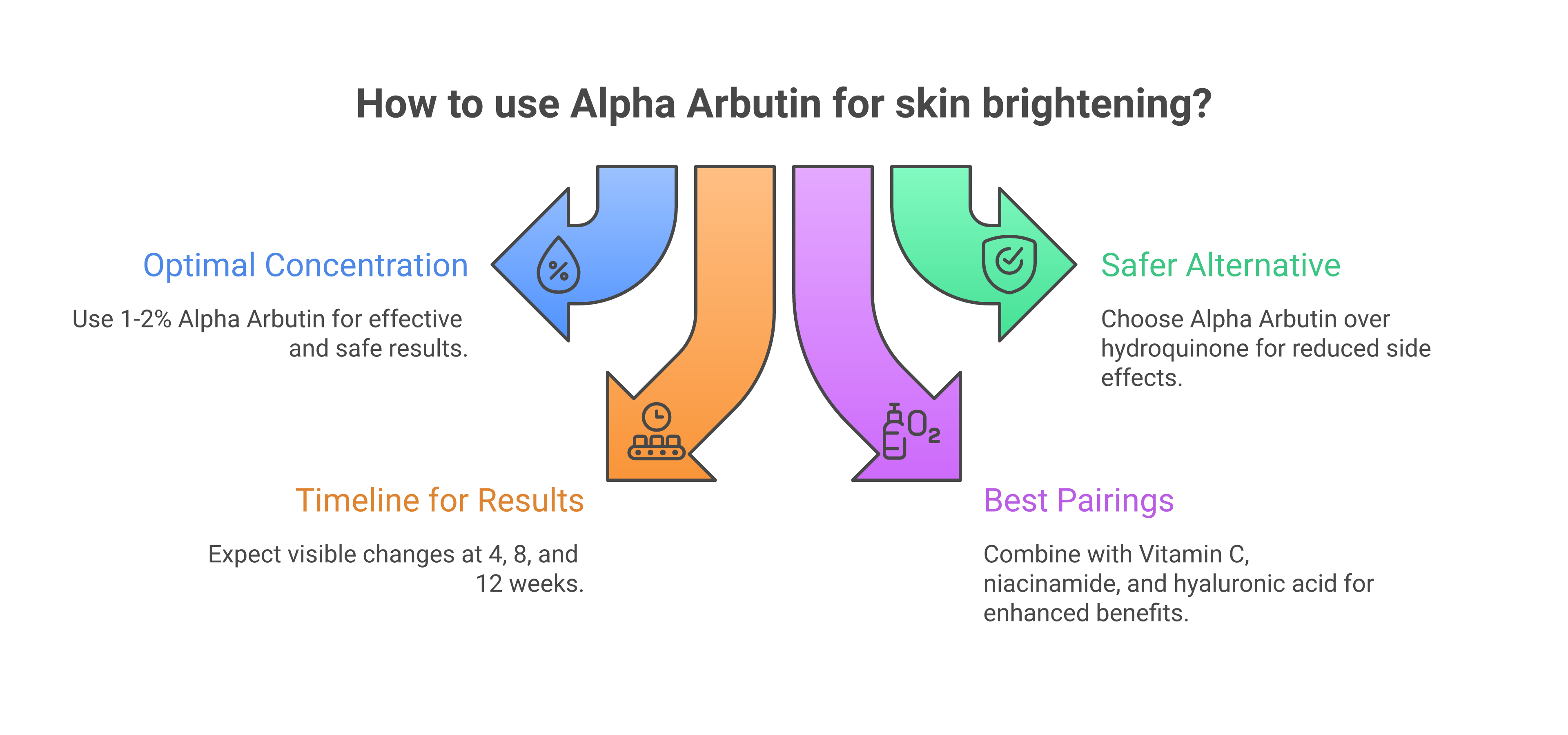
- Concentration: Look for products with 1% to 2% alpha arbutin. Below 0.5% is unlikely to produce meaningful results. Higher concentrations don’t necessarily offer improvement and may increase risk
- Consistency is everything: This isn’t a quick fix. You need 8 to 12 weeks of daily application to see meaningful change. Many people give up after 3 or 4 weeks and miss the real results at the beginning of month two or three
- Patch test prior to full use: Conduct a patch test prior to full-face application. Apply a small amount behind your ear or on your inner wrist 48 hours before starting. If irritation occurs, discontinue use. Always do a patch test prior to beginning any new active ingredient
- Layer thin to thick: Alpha arbutin serums are lightweight and water-based, so they should go on before heavier creams and oils
- Rinse before reapplying: If you’re layering multiple serums, allow each product to absorb for 30 to 60 seconds. If you experience stinging, rinse with water and reduce frequency
For a broader look at building an effective routine, check our guide on dark spots on face treatment.
Best Ingredients to Pair with Alpha Arbutin
Alpha arbutin works well on its own, but combining it with complementary active ingredients can dramatically improve your results. Here are the best pairings, the science behind each, and recommendations for how to incorporate them.
Vitamin C
Vitamin C is an antioxidant that both prevents and treats hyperpigmentation through a different mechanism than alpha arbutin. While alpha arbutin blocks tyrosinase activity, vitamin C intercepts melanin at a different point in the production pathway and provides control over oxidative stress. Together, they attack pigmentation from two angles. Vitamin C also provides antioxidants that protect against UV and pollution damage, reducing the formation of new dark spots. For more on how oxidative damage affects your skin, read our article on oxidative stress on skin.
Niacinamide
Niacinamide (vitamin B3) targets uneven skin tone through yet another mechanism: it blocks the transfer of melanin from melanocytes to keratinocytes. Combined with alpha arbutin’s tyrosinase inhibition, you get two complementary pathways working simultaneously. Studies have shown this pairing visibly evens skin tone faster than either ingredient alone. Learn more about this ingredient in our niacinamide for age spots guide.
Hyaluronic Acid
As discussed, hyaluronic acid boosts hydration instantly and improves the delivery of alpha arbutin into skin. Products like The Ordinary Alpha Arbutin 2% + HA use this synergy. Hydrolyzed sodium hyaluronate plumps skin, which can minimize the appearance of fine lines alongside brightening effects, improving overall skin quality and texture.
Retinol
Retinol accelerates cell turnover, which helps remove pigmented surface cells faster. When combined with alpha arbutin, retinol clears old pigment from the surface while alpha arbutin prevents new pigment from forming underneath. This is one of the most effective combinations for stubborn hyperpigmentation. Read our guide on retinol for dark spots for concentrations and scheduling. Start with retinol on alternate evenings to gauge tolerance, then increase frequency. Note: retinol is not a substitute for alpha arbutin. They serve different purposes and work best together.
Tranexamic Acid
Tranexamic acid is gaining recognition as a powerful addition to brightening routines. It works by blocking the plasminogen pathway, which reduces melanocyte stimulation from UV-triggered inflammation. A 2019 randomized controlled trial (Desai et al.) found that a serum containing alpha arbutin combined with tranexamic acid and niacinamide produced significant improvement in skin brightness and pigmentation intensity after just 4 weeks of use (p < 0.001), with results comparable to 4% hydroquinone. Adding a tranexamic acid serum to your routine alongside alpha arbutin can provide faster, more complete results for stubborn hyperpigmentation disorders.
Azelaic Acid
Azelaic acid at 10-20% concentrations reduces melanin production and also calms inflammation, making it ideal for individuals with acne prone skin and PIH. Combined with alpha arbutin, it tackles both the inflammatory trigger and the resulting pigmentation. Many individuals find that adding azelaic acid provides better control over breakouts and pigmentation simultaneously.
Tretinoin (Prescription)
Tretinoin (prescription-strength retinoid) offers more aggressive cell turnover than over-the-counter retinol. For individuals with severe hyperpigmentation that hasn’t responded to OTC options, a physician may recommend combining alpha arbutin with low-dose tretinoin (0.025-0.05%). The evidence shows this pairing accelerates the reduction of melanin deposits while alpha arbutin prevents recurrence. Consult your healthcare provider before beginning tretinoin, as it requires careful introduction and sun protection.
Lactic Acid (Use with Caution)
Lactic acid is a gentle AHA that provides mild exfoliation while also having some skin lightening effects. It pairs reasonably with alpha arbutin, but avoid layering them at the same time. Use lactic acid in the evening and alpha arbutin in the morning to minimize potential irritation. If irritation occurs, discontinue one product and consult a professional.
Alpha Arbutin vs. Other Skin Brighteners: A Comparison
Choosing between brightening ingredients can feel overwhelming. This comparison table breaks down how alpha arbutin stacks up against the most common alternatives so you can choose the right product based on your specific concerns and skin conditions.
| Ingredient | How It Works | Best For | Typical Concentration | Irritation Risk | Results Timeline |
|---|---|---|---|---|---|
| Alpha Arbutin | Competitive tyrosinase inhibitor | General hyperpigmentation, PIH, melasma | 1-2% | Very low | 8-12 weeks |
| Hydroquinone | Cytotoxic to melanocytes + tyrosinase inhibitor | Severe melasma, deep pigmentation | 2% (OTC), 4%+ (Rx) | High (ochronosis risk) | 4-8 weeks |
| Vitamin C | Antioxidant + melanin production interruptor | Prevention, mild spots, overall brightness | 10-20% | Low-moderate | 4-12 weeks |
| Kojic Acid | Chelates copper needed for tyrosinase function | Sun spots, age spots | 1-4% | Moderate (sensitizing) | 8-12 weeks |
| Tranexamic Acid | Blocks plasminogen-mediated melanocyte stimulation | Melasma, UV-triggered pigmentation | 2-5% | Low | 4-8 weeks |
| Azelaic Acid | Tyrosinase inhibitor + anti-inflammatory | PIH, acne prone skin, rosacea | 10-20% | Low-moderate | 12-24 weeks |
| Niacinamide | Blocks melanin transfer to keratinocytes | Mild discoloration, texture, pore size | 2-10% | Very low | 8-12 weeks |
| Tretinoin | Accelerates cell turnover, clears pigmented cells | Severe hyperpigmentation, anti-aging | 0.025-0.1% (Rx only) | High (peeling, dryness) | 8-24 weeks |
Alpha Arbutin vs. Hydroquinone: The Key Differences
This is the comparison most people want to understand. Hydroquinone has been the gold standard for treating hyperpigmentation for decades, but its safety profile raises important questions. Here’s the honest breakdown:
- Effectiveness: Hydroquinone produces faster visible results (4-8 weeks vs. 8-12 weeks for alpha arbutin). For severe, deep pigmentation, hydroquinone remains more potent in studies conducted to date
- Safety: Alpha arbutin is dramatically safer. Hydroquinone carries risks of ochronosis, rebound hyperpigmentation, and cytotoxic effects on melanocytes. Research has observed none of these problems with alpha arbutin at recommended concentrations
- Regulation: Hydroquinone is banned or restricted in other countries, including the EU, Japan, and Australia, at concentrations above 2%. Alpha arbutin faces no such regulation limitations
- Long-term use: Hydroquinone should only be used for 3-6 months maximum before taking a break. Alpha arbutin treatment can be used continuously without cycling off, making it the preferred choice for long-term maintenance
- Pregnancy: Hydroquinone is considered unsafe during pregnancy. Alpha arbutin is considered a safer alternative, though you should always consult your healthcare provider before adding any new active ingredient during pregnancy
For a deeper comparison between over-the-counter and prescription treatments, see our guide on OTC vs. Prescription dark spot treatment.
Side Effects and Safety Profile of Alpha Arbutin
Alpha arbutin has an excellent safety profile, which is one of the main reasons it has become so popular in cosmetic products worldwide. But no ingredient is entirely without risk, so here is what you should know.
Common Side Effects
The majority of people experience zero side effects from alpha arbutin. In clinical testing, alpha arbutin at concentrations up to 2% was well tolerated across all skin types, including dark skin tones that are often more susceptible to irritation from other brightening agents and skin lightening products.
Occasionally, some users report:
- Mild tingling upon first application (usually subsides within minutes)
- Slight redness in very sensitive individuals (if irritation occurs, rinse immediately)
- Minor dryness if used without adequate moisturizer or on skin with a compromised barrier
If any of these issues persist, discontinue the product and consult a physician or healthcare provider.
Addressing the Hydroquinone Conversion Concern
Some online sources claim that alpha arbutin converts to free hydroquinone on the skin, raising safety concerns. Here’s what the evidence actually shows: yes, alpha arbutin can release small amounts of hydroquinone through enzymatic hydrolysis in the skin. However, the rate of conversion is extremely slow and produces quantities far below the threshold that would cause adverse effects. A 2023 safety assessment by the SCCS confirmed that the levels of hydroquinone released from α-arbutin in cosmetic products pose no significant risk to cell viability or overall health. The committee’s opinion was that α-arbutin is safe at up to 2% in face creams and 0.5% in body lotions.
Allergic Reaction Risk
True allergic reactions to alpha arbutin are rare but possible. Researchers have observed cases of contact dermatitis in sensitive individuals. If you experience persistent redness, swelling, itching, or hives after a patch test, the product should be discontinued. Individuals with known sensitivities to hydroquinone-related compounds should exercise caution. Always conduct a patch test prior to beginning any new skincare active.
Sun Sensitivity and Protection
Alpha arbutin itself does not make your skin photosensitive the way retinoids or AHAs do. However, because you’re actively working to fade pigmentation, unprotected sun exposure will counteract your results and may add to the problem. Daily sun protection with SPF 30 or higher is essential to ensure your brightening efforts produce lasting change.
Alpha Arbutin for Different Skin Concerns
For Acne Scars and Acne Prone Skin
Alpha arbutin is effective for the dark marks acne leaves behind (PIH) but it won’t help with textured, indented acne scars. Those require different treatments like laser treatments or microneedling. For the flat, brown or purple marks from old breakouts, alpha arbutin combined with niacinamide is one of the best non-prescription approaches. Individuals with acne prone skin particularly benefit from alpha arbutin because it doesn’t clog pores or promote breakouts, unlike some heavier skin lightening products.
For Dark Spots on Cheeks
Cheek pigmentation is often melasma or sun damage. Alpha arbutin provides great results here, especially when combined with diligent sunscreen use and vitamin C. These areas receive significant UV exposure throughout the day, so sun protection is the difference between visible improvement and frustration.
For Dark Spots on Forehead
Forehead discoloration responds well to alpha arbutin, particularly when the spots are relatively superficial. Deeper melasma on the forehead may require a multi-ingredient approach combining alpha arbutin with azelaic acid, tranexamic acid, or prescription treatments from a physician.
For Age Spots on Hands
Hands are one of the first areas to show sun damage over time. Alpha arbutin serums can be applied to the backs of hands just as you would apply them to your face. The challenge is remembering to reapply sunscreen to your hands throughout the day, since you wash them frequently. Choose a serum with a lightweight texture that absorbs quickly so it doesn’t interfere with daily activities.
For Mature Skin
If you’re dealing with dark spots after 60 or dark spots on face over 50, alpha arbutin is an excellent choice because it won’t exacerbate the dryness and sensitivity that often accompany aging skin. Combined with hyaluronic acid for hydration, it addresses pigmentation without compromising your skin barrier. Many individuals in this age group find that a water-based serum containing purified alpha arbutin provides the most noticeable improvement in overall complexion.
What to Look for in an Alpha Arbutin Product
Not all alpha arbutin products offer the same results. Here’s what separates effective formulations from mediocre ones, along with recommendations for making the right choice.
- Concentration: Look for 1% to 2% alpha arbutin. Below 0.5% is unlikely to provide meaningful results. Above 2% offers diminishing returns with increased irritation risk. The SCCS has reviewed the evidence and determined 2% as the maximum safe concentration for face creams
- Formulation type: A water-based serum is generally the best delivery vehicle for alpha arbutin because it’s a water-soluble compound. Creams can work but may dilute the active ingredient. Look for products labeled as a water-based serum or lightweight serum
- Supporting ingredients: Hydrolyzed sodium hyaluronate, niacinamide, and vitamin E improve the formulation. Avoid products that combine alpha arbutin with high concentrations of AHAs or BHAs, as these can destabilize the compound
- Packaging: While purified alpha arbutin is more stable than vitamin C, opaque or dark-tinted bottles with pump dispensers are still the preferred option over jars that expose the product to light and air repeatedly
- Price point: Effective alpha arbutin serums don’t have to be expensive. The Ordinary Alpha Arbutin 2% + HA retails for under $12 and consistently receives positive reviews from thousands of users. Higher-priced alternatives from other brands may include additional beneficial ingredients, but the purified alpha arbutin itself is the same compound regardless of price
- Size and value: Most alpha arbutin serums come in a 30mL size, which lasts approximately one month with twice-daily use. Some brands offer larger size options. Consider the cost per mL when comparing products
For help choosing the right product for reactive skin, see our guide on the best dark spot remover for sensitive skin.
Frequently Asked Questions About Alpha Arbutin
How long does alpha arbutin take to work?
Most individuals see the first visible improvements in skin brightness within 6 to 8 weeks, with significant results by 12 weeks. Deeper pigmentation like melasma may take 3 to 6 months of consistent application. The key point here is consistency. Skipping days or using it sporadically dramatically reduces effectiveness. For a detailed breakdown, see our dark spots fading timeline guide.
Can I use alpha arbutin every day?
Yes. Alpha arbutin is gentle enough for twice-daily use, morning and evening. Unlike retinoids or strong acids, it doesn’t require a gradual introduction period for the majority of people. Start with once daily if you have very sensitive skin, then increase to twice daily after a week if no irritation occurs.
Is alpha arbutin better than vitamin C for dark spots?
They work differently and provide the best results when used together. Alpha arbutin is more targeted at existing hyperpigmentation through tyrosinase inhibition. Vitamin C is better at preventing new damage through antioxidant action. If you had to choose one, alpha arbutin is generally more effective for fading existing dark spots, while vitamin C is better for overall prevention and skin brightness. In my opinion, using both is the ideal approach for complete coverage.
Does alpha arbutin cause purging?
No. Purging happens when products increase cell turnover and push existing clogs to the surface. Alpha arbutin does not increase cell turnover. It only affects melanin synthesis. If you break out after starting an alpha arbutin product, the breakout is likely caused by other ingredients in the formulation, not the alpha arbutin itself. In that case, review the full ingredient list or try a different brand.
Is alpha arbutin safe during pregnancy?
Alpha arbutin is generally considered one of the safer brightening options during pregnancy, unlike retinoids and hydroquinone, which are contraindicated. However, the research specifically on alpha arbutin during pregnancy has limitations, and no large-scale studies have been conducted on this specific question. Always consult your healthcare provider before adding any new active ingredient during pregnancy. For more on managing dark spots during pregnancy, we have a dedicated guide that covers safe options.
What should you not mix with alpha arbutin?
Avoid combining alpha arbutin with strong chemical exfoliants at the same time. High-concentration AHAs (glycolic acid above 10%) and BHAs can alter the pH conditions and reduce alpha arbutin’s efficacy. Benzoyl peroxide can also oxidize and degrade alpha arbutin. Use these ingredients at different times of day or on alternate days rather than layering them together. If you’re unsure about a specific combination, consult a skincare professional for personalized recommendations.
Does alpha arbutin actually work?
Yes, and the evidence supports it. Multiple peer-reviewed studies have shown that α-arbutin inhibits tyrosinase activity and reduces melanin production in both cultured human melanoma cells and human clinical trials. The 2004 Sugimoto et al. Study demonstrated a 60% melanin reduction at 250 μg per tissue. The 2025 Tantanasrigul et al. Clinical trial found that alpha arbutin 5% combined with kojic acid 2% showed comparable efficacy to triple combination cream with fewer side effects. The effect is real, but it requires patience and consistent daily application over at least 8 to 12 weeks.
Can alpha arbutin be used on all skin types?
Yes. Alpha arbutin is safe for all skin types, from Fitzpatrick type I (very fair) through type VI (very dark). The 2025 clinical trial by Tantanasrigul et al. Included participants with Fitzpatrick types III through V and found it well tolerated across the range. Unlike hydroquinone, which can cause paradoxical darkening in darker skin types, alpha arbutin does not carry this risk.
Building Your Alpha Arbutin Routine: Putting It All Together
Here’s a practical, no-nonsense routine built around alpha arbutin for someone dealing with the appearance of dark spots and uneven skin tone. This routine provides complete coverage of prevention, active treatment, and support.
Morning:
- Gentle cleanser
- Alpha arbutin 2% + HA serum: apply a few drops, press gently into unbroken skin
- Niacinamide serum (if not already in your moisturizer)
- Moisturizer
- Sunscreen SPF 30+ (non-negotiable for sun protection)
Evening:
- Oil cleanser (to remove sunscreen and makeup)
- Water-based cleanser (for a complete double cleanse)
- Alpha arbutin 2% + HA serum: a few drops across face and neck
- Retinol (2-3 nights per week; see our retinol for dark spots guide for concentrations)
- Night moisturizer
This routine covers prevention (sunscreen, antioxidants), active treatment (alpha arbutin, retinol), and hydration (hyaluronic acid, niacinamide, moisturizer). Adjust based on your skin’s response. If you’re dealing with severe or persistent hyperpigmentation that doesn’t respond to this approach, read our guide on when to see a dermatologist about dark spots for answers on when professional help makes sense.
Alpha arbutin isn’t a miracle ingredient, and no single product can solve every pigmentation problem overnight. But among all the brightening agents on the market, it’s one of the most reliable, well-researched, and broadly safe options for anyone looking to fade dark spots, reduce hyperpigmentation disorders, and achieve a more even, radiant complexion with improved skin quality. Combined with sun protection and patience, it delivers real, visible results.

