
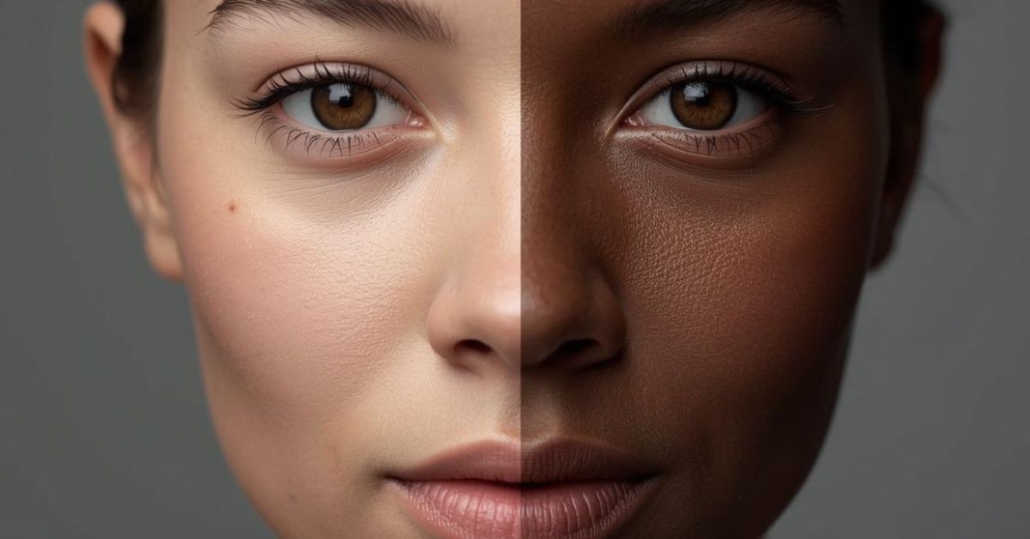
Dark Spots on Face Treatment: Every Option From At-Home Care to Professional Procedures

Dr. Matthew Olesiak, MD, is the Chief Medical Director at SANESolution, a renowned wellness technology company dedicated to providing evidence-based solutions for optimal living. Dr. Olesiak earned his medical degree from the prestigious Jagiellonian University Medical College in Kraków, Poland, where he developed a strong foundation in medicine.
You’ve noticed them in the mirror: small, flat brown or gray patches and patches scattered across your cheeks, forehead, or along your jawline. Maybe they appeared after a summer of sun exposure, or they lingered stubbornly after an acne breakout, or were caused by hormonal changes. Whatever the reasons, dark spots on the face are one of the most common skin concerns I encounter, and the frustration they cause is real. Finding the right treatment is easier than you think. Dark spots are caused by excess melanin production, and several different factors can trigger this process.
Here is what I want you to know right away: dark spots on face treatment works. Whether you’re dealing with sun spots, age spots, post-inflammatory hyperpigmentation from acne, or melasma patches from hormonal changes, there are effective treatments that can fade these marks and help restore an even skin tone. The key is matching the right approach to your specific type of hyperpigmentation, and being patient enough to let it work.
In this guide, updated for 2026, you will learn about every option, from at-home topical treatments you can start tonight to professional procedures for stubborn spots that refuse to budge. I’ve organized it as a progressive treatment plan so you can start with the most accessible solutions and escalate only if needed.
What Are Dark Spots on the Face? An Overview
Dark spots, technically called hyperpigmentation, are flat areas of skin that appear darker than the surrounding tissue. They range from light brown to dark brown or even gray-black. The shade depends on your natural skin tone and how deep the excess pigment sits within the top layers of the skin.
The basic mechanism behind every dark spot is the same: your body produces extra melanin in a concentrated area. This process can occur for several reasons. Melanin is a natural substance produced by the body that gives skin, hair, and eyes their color. When skin cells called melanocytes get triggered by UV radiation, inflammation, or hormonal signals, they ramp up melanin production. That surplus pigment deposits in the epidermis (the top layer of skin) or the dermis (the deeper layer), creating a visible dark mark.
Dark spots go by many names. age spots, sun spots, liver spots. But these terms all describe variations of the same underlying process. The spots themselves are almost always harmless. That said, any new or changing spot deserves examination from a doctor to rule out other conditions like melanoma or other skin concerns.
Common Causes of Facial Dark Spots and Hyperpigmentation
Understanding what caused your dark spots is the first step toward choosing the right treatment. Different causes respond to different approaches, and getting this wrong can waste months of effort or even make spots darker.
Sun Exposure and UV Damage
Sun damage is the single most common cause of dark spots on the face. Years of cumulative UV exposure, even on cloudy days, triggers melanocytes to produce extra melanin as a protective response. Over time, this melanin production becomes uneven, leading to scattered brown or gray spots on sun-exposed areas like the cheeks, forehead, nose, and temples. These marks, sometimes called liver spots or sun spots (also called solar lentigines) tend to become more noticeable past age 40, though they can appear earlier in people with lighter skin types who’ve had significant UV exposure.
A 2013 study published in the Clinical, Cosmetic and Investigational Dermatology found that chronic UV exposure was responsible for up to 80% of visible facial aging signs, including hyperpigmentation. Those spots on your face are less about your age and more about your lifetime sun habits.
Post-Inflammatory Hyperpigmentation (PIH)
If you’ve ever had a pimple, bug bite, cuts, burns, eczema flare, or psoriasis breakout leave behind a dark mark, that’s post-inflammatory hyperpigmentation (also written as post inflammatory hyperpigmentation or postinflammatory hyperpigmentation), commonly shortened to PIH. When skin is injured or inflamed, the healing process, caused by any of these triggers, can overstimulate melanin production in the affected area, resulting in a flat dark spot that persists long after the original wound has healed.
PIH is especially common in people who experience acne. In fact, for many people with darker skin tones, the dark marks left behind by breakouts are more distressing than the acne itself. These patches typically sit in the epidermis and respond well to topical treatments, though deeper PIH (the kind that appears more blue-gray) can take a year or longer to fade.
Hormonal Changes and Melasma
Melasma presents differently from sun spots or PIH. Instead of small, scattered spots, melasma appears as larger, symmetrical patches of brown or gray-brown discoloration, typically on the cheeks, forehead, upper lip, and chin. Hormonal changes during pregnancy, from oral contraceptives, or from hormone replacement therapy are the primary triggers. That is why melasma is sometimes called the “mask of pregnancy.”
Melasma is notoriously difficult to treat because the hormonal triggers can reactivate pigment production even after successful treatment. Sun exposure makes it dramatically worse. If you suspect melasma, getting an accurate diagnosis from a dermatologist matters because treatments that work well for sun spots can sometimes aggravate melasma.
Aging and Cumulative Skin Damage
As skin cells age, melanin distribution becomes less uniform. The number of melanocytes actually decreases with aging, but the remaining cells grow larger and more clustered, creating visible spots. Note that this clustering pattern is why age spots tend to appear in groups rather than individually. Combined with decades of accumulated sun damage, this explains why dark spots become increasingly common in people over 50 and particularly in those over 60.
Certain medications can also accelerate hyperpigmentation. Dark spots can also occur on the hands, chest, and other body parts exposed to sunlight, not just the face. These are caused by the same UV-triggered melanin overproduction. Some antibiotics, chemotherapy drugs, and antimalarials increase the skin’s sensitivity to sunlight, making darkening and dark spot formation more likely in exposed areas.
Best Over-the-Counter Topical Treatments for Dark Spots
Topical treatments are the foundation of any dark spot treatment plan. These are the ingredients that decades of dermatology research have validated for their ability to reduce dark spots and even out skin discoloration. You can find most of them in over-the-counter skin care products: serums, creams, and targeted spot treatments available without a prescription. When choosing any skin care brand, read the label carefully and follow the listed instructions for application.
Vitamin C Serums: The Brightening Antioxidant
Vitamin C (L-ascorbic acid) is one of the most thoroughly studied ingredients for treating hyperpigmentation. Researchers have found it works by inhibiting the enzyme tyrosinase, a substance essential for melanin production. By slowing this enzyme, vitamin C gradually reduces the appearance of existing dark spots while preventing new pigment from forming.
Beyond its direct effect on pigment, this vitamin is a powerful antioxidant that neutralizes free radicals caused by UV exposure. This dual action, treating existing spots while protecting against new damage, makes it one of the most effective treatment options for facial dark spots.
For best results, look for a serum with 10-20% L-ascorbic acid at a pH below 3.5. Apply it every morning before sunscreen. Most people notice visible brightening within 8-12 weeks of consistent daily use. Vitamin C does oxidize quickly when exposed to air and light, so choose products in dark, air-tight packaging.
Retinoids: The Cell Turnover Powerhouse
Retinoids, including over-the-counter retinol and prescription-strength tretinoin and adapalene, are considered the gold standard for addressing hyperpigmentation, wrinkles, and uneven texture. They work by dramatically accelerating the rate at which skin cells turn over, pushing pigmented dead skin cells off the surface faster and replacing them with fresh, evenly pigmented cells.
Retinoids also inhibit melanin transfer between melanocytes and surrounding skin cells, which reduces the deposition of new pigment in the skin. The result: existing dark spots fade faster while the overall complexion becomes more even.
Start with a low-concentration retinol (0.25-0.5%) and work up gradually over a few months to avoid irritation, redness, and peeling. Apply at night only. Retinoids increase sun sensitivity significantly. Adapalene 0.1% (Differin) is available over the counter and is a great option if retinol causes too much dryness or irritation on sensitive skin.
Niacinamide: The Soothing Multi-Tasker
Niacinamide (vitamin B3) works differently from most other brightening ingredients. Rather than suppressing melanin production, niacinamide blocks the transfer of melanin-containing packages called melanosomes from melanocytes to the surrounding skin cells. The pigment still gets made, but it doesn’t get distributed where you can see it.
A 2002 study in the British Journal of Dermatology found that 5% niacinamide for age spots significantly reduced hyperpigmentation after 4 weeks of use, with continued improvement over 8 weeks. What makes niacinamide particularly appealing is how gentle it is. It rarely causes irritation, making it an easy, ideal choice for sensitive skin types that cannot tolerate retinoids or acids.
Niacinamide also strengthens the skin barrier, reduces redness, and helps regulate oil production. Look for concentrations between 4-10% in a serum or moisturizer formula.
Hydroquinone: The Strongest OTC Depigmenting Agent
Hydroquinone remains one of the most potent topical treatments for hyperpigmentation. It works by directly inhibiting tyrosinase enzyme activity and reducing the number of active melanocytes in treated areas. In the United States, concentrations up to 2% are available over the counter, while 4% and higher require a prescription.
Hydroquinone produces noticeable results faster than most alternatives. Many people see significant fading within 4-8 weeks. However, it comes with important caveats. Prolonged use (beyond 3-4 months continuously) can cause a condition called ochronosis, which actually darkens the skin. In some other countries, hydroquinone has been restricted or banned due to safety concerns about long-term use. Be especially careful with imported skin lightening products, as some may contain mercury or other harmful substances not listed on the label. The AAD recommends avoiding any products that do not clearly list their active ingredients.
The smartest method: use hydroquinone in cycles, 3 months on, 1 month off, under the guidance of a dermatologist. Pair it with daily sunscreen without exception, since unprotected sun exposure while using hydroquinone can do more harm than good and make spots darker.
Azelaic Acid: The Gentle Exfoliator
Azelaic acid is one of the most underrated ingredients for treating dark spots, especially for people with acne-prone or sensitive skin. It inhibits tyrosinase (like hydroquinone and vitamin C) but also has anti-inflammatory and antibacterial properties, making it beneficial for multiple skin conditions. This triple action makes it particularly effective for post-inflammatory hyperpigmentation from acne.
Available in 10% OTC formulations and up to 20% by prescription (both concentrations are beneficial), azelaic acid targets only abnormally active melanocytes while leaving normally functioning cells alone. This selective action means it is less likely to cause uneven lightening, a real advantage for people with darker skin types who need to treat hyperpigmentation without risking new discoloration.
Alpha Hydroxy Acids (AHAs) and Other Exfoliants
Chemical exfoliants like glycolic acid, lactic acid, and alpha arbutin exfoliate the skin by dissolving the bonds that hold dead skin cells together on the surface. By accelerating the shedding of the top layers of pigmented dead skin, they reveal fresher, smooth, more evenly pigmented skin underneath.
Glycolic acid, the smallest alpha hydroxy acid molecule, penetrates most effectively and is the most studied AHA for hyperpigmentation. Lactic acid is a gentler alternative that also provides hydrating benefits, making it better for dry or sensitive skin. Salicylic acid, a beta hydroxy acid, is oil-soluble and penetrates into pores, making it the best choice for dark spots caused by acne and pimples.
Kojic acid, derived from certain fungi, is another effective depigmenting agent that inhibits melanin production. It’s commonly found in dark spot corrector serums and topical creams, often combined with other brightening ingredients for enhanced results. Studies have shown kojic acid to be comparably effective to hydroquinone in small sample sizes, with fewer side effects.
Professional Treatments for Stubborn Dark Spots
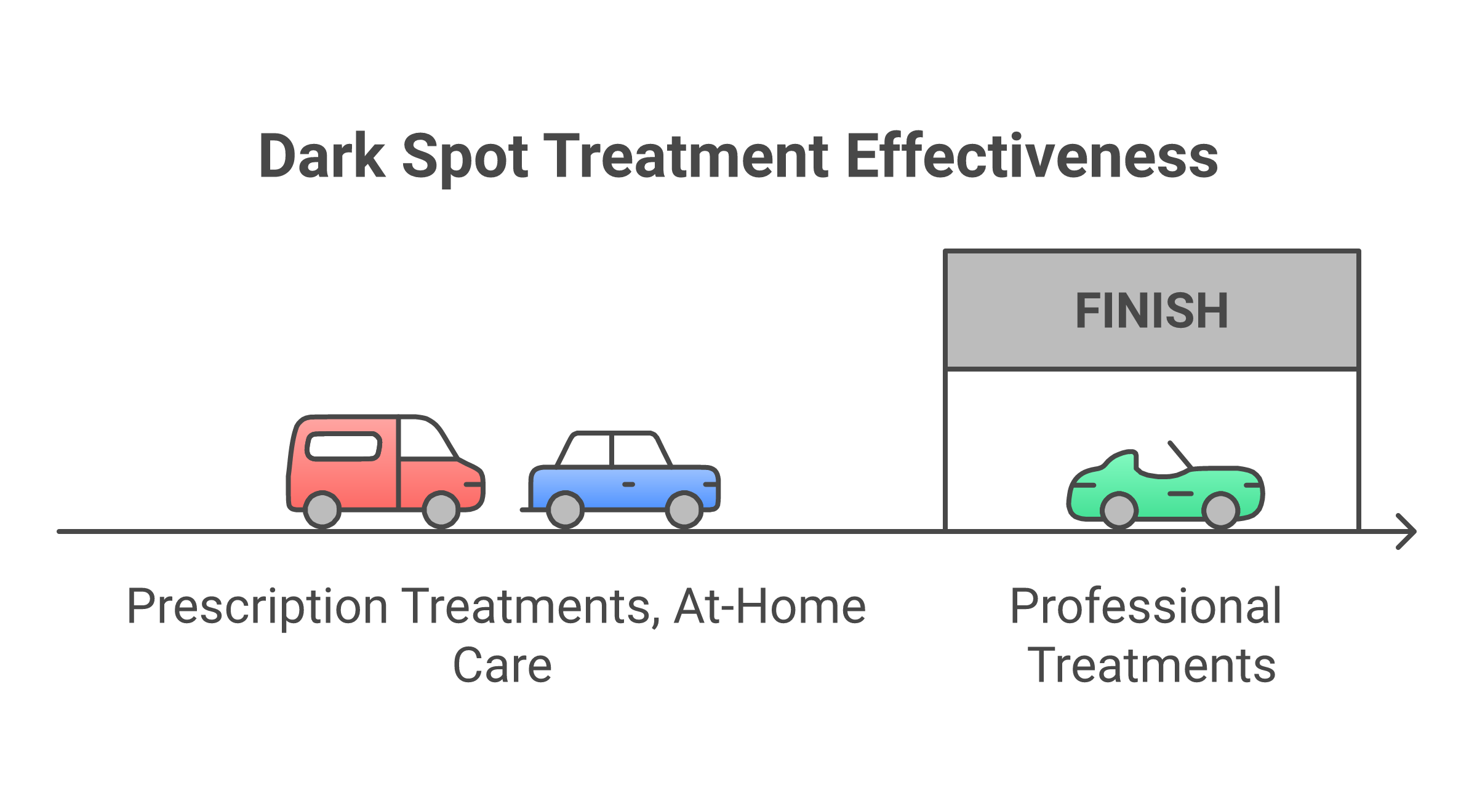
When topical treatments alone do not deliver the results you want after a few months of consistent use, or when you’re dealing with deep, resistant spots, professional treatment options and procedures can accelerate the fading process significantly. These treatments work by removing or disrupting pigmented skin cells at depths that topical products simply can’t reach.
Chemical Peels
A chemical peel applies a concentrated acid solution to the skin’s surface, causing controlled peeling of the top layer, and sometimes deeper layers, of skin. As the treated skin heals, it shows new skin cells with more even pigment distribution. The procedure typically takes 20-30 minutes in a doctor’s office.
Chemical peels come in three depths:
- Superficial peels (glycolic acid, lactic acid, salicylic acid at 20-30%): Minimal downtime, slight redness for 1-3 days. Best for mild discoloration. May need 4-6 sessions.
- Medium peels (trichloroacetic acid / TCA at 25-35%): Moderate peeling for 5-7 days. Reaches deeper pigment deposits. Significant improvement after 1-3 sessions.
- Deep peels (phenol-based): Dramatic results but significant recovery time (2-3 weeks). Reserved for severe cases and can remove even deep pigmentation. Not recommended for darker skin tones due to increased risk of scarring and paradoxical darkening.
Chemical peels are highly effective for sun spots, age spots, and PIH. For melasma, only superficial peels are typically recommended since deeper peels can trigger rebound hyperpigmentation. Expect to pay $150-$800 per session depending on the depth and your geographic location and the dermatology services available in your area.
Laser Treatment and Intense Pulsed Light (IPL)
Laser therapy targets and helps remove melanin deposits with focused light energy, breaking up pigment clusters so the body can naturally clear them. Different laser wavelengths target different depths of pigment, and your dermatologist will select the appropriate device based on your skin type and spot characteristics.
Key laser options for dark spot removal include:
- Intense pulsed light (IPL): Many dermatologists consider IPL the gold standard for treating sun spots on lighter skin types. It delivers broad-spectrum light that selectively heats melanin deposits. Most people need 2-4 sessions spaced 3-4 weeks apart. Dark spots typically crust over and flake off within 7 to 10 days after each session.
- Fractional lasers (Fraxel), Create thousands of microscopic treatment zones, stimulating collagen production while targeting pigment. Effective for deeper discoloration, wrinkles, and overall skin rejuvenation. Expect 3-5 days of redness and slight swelling.
- Q-switched lasers (Nd:YAG): Particularly effective for darker skin types because the wavelength bypasses the epidermis and targets deeper pigment with less risk of post-treatment hyperpigmentation.
Laser treatments range from $200-$1,500 per session. The results can be dramatic. Some patients see 50-75% improvement after a single IPL session, but treated areas must be protected from sun aggressively, or the dark spots will return.
Microneedling
Microneedling uses a device with fine needles to create controlled micro-injuries in the skin. This stimulates the body’s wound-healing response, boosting collagen production and accelerating skin cell turnover. The goal is smooth, clear skin with even pigmentation. While microneedling alone can improve dark spots by promoting faster skin renewal, it is most effective when combined with topical serums like vitamin C or specialized peptides that can penetrate deeper through the microchannels.
A typical microneedling session takes 30-45 minutes and involves slight redness and sensitivity for 24-48 hours afterward. Most people need 3-6 sessions spaced 4-6 weeks apart for optimal pigment reduction. Cost ranges from $200-$700 per session.
Microneedling is generally safe across all skin types when performed at appropriate needle depths, making it a particularly good option for people with darker skin who face higher risks of post-procedure hyperpigmentation with some laser treatments.
Microdermabrasion
Microdermabrasion is a gentler mechanical exfoliation procedure that uses fine crystals or a diamond-tipped wand to buff away the outer layer of dead skin cells. It’s less aggressive than chemical peels or laser treatment but provides measurable improvement for superficial dark spots and overall skin texture.
Sessions take 30-60 minutes, cause minimal discomfort, and require essentially no downtime. You will notice slight redness immediately afterward that resolves within a few hours. Most people need 6-10 sessions for noticeable dark spot reduction. At $75-$200 per session, microdermabrasion is the most affordable professional option, though results are more gradual.
Dark Spots Treatment Comparison: At-Home vs Professional
| Treatment | Best For | Time to Results | Approximate Cost | Downtime |
|---|---|---|---|---|
| Vitamin C Serum | Mild spots, prevention | 8-12 weeks | $15-$50/bottle | None |
| Retinoids | Moderate spots, aging | 12-24 weeks | $10-$80/tube | None (mild peeling initially) |
| Hydroquinone 2% | Moderate-severe spots | 4-8 weeks | $10-$40/tube | None |
| Niacinamide | Sensitive skin, mild spots | 8-12 weeks | $10-$30/bottle | None |
| Chemical Peel | Moderate-deep spots | Immediately, 2 weeks | $150-$800/session | 1-14 days |
| IPL Therapy | Sun spots (lighter skin) | 7-10 days per session | $300-$600/session | 1-3 days |
| Fractional Laser | Deep/resistant spots | 2-4 weeks per session | $500-$1,500/session | 3-7 days |
| Microneedling | All skin types, moderate spots | 4-6 weeks per session | $200-$700/session | 1-2 days |
| Microdermabrasion | Superficial spots, maintenance | Gradual over sessions | $75-$200/session | Minimal |
Special Considerations for Darker Skin Types
If you have medium to dark skin (Fitzpatrick skin types IV through VI), finding the right method to treat hyperpigmentation requires extra caution. Darker skin tones produce more melanin naturally, which means the very treatments designed to reduce hyperpigmentation can paradoxically trigger more of it if they are too aggressive.
The American Academy of Dermatology specifically recommends that people with skin of color:
- Avoid deep chemical peels and aggressive laser treatments, which carry higher risks of post-procedure darkening and scarring
- Choose gentler ingredients like niacinamide, azelaic acid, and vitamin C as first-line topical treatments. These work without the irritation risk of hydroquinone or strong retinoids
- Use the Q-switched Nd:YAG laser or microneedling for professional procedures, as these have the best safety profiles across diverse skin types
- Apply broad-spectrum sunscreen daily without exception. This protects against visible light (which triggers hyperpigmentation more in darker skin) as well as UV rays
The good news: dark spots in darker skin types are more likely to be superficial (epidermal), which means they often respond well to consistent use of topical treatments over time. Be patient, forcing faster results with aggressive treatments is where things go wrong.
How to Prevent Dark Spots From Forming or Getting Worse
Every dermatologist I have talked to says the same thing: prevention is the most effective treatment for dark spots. Follow this advice going forward to stop new spots from forming. You can spend hundreds on professional procedures, but if you are not protecting your skin from the triggers that cause hyperpigmentation in the first place, you will be fighting an endless cycle.
Sunscreen Is Non-Negotiable
Broad-spectrum sunscreen with SPF 30 or higher is the single most impactful thing you can do to prevent dark spots and stop existing dark spots from getting darker and stop new ones from forming. UV rays stimulate melanin production immediately upon contact with skin. Even brief, incidental exposure through car windows or during a quick walk to the mailbox adds up.
For maximum protection against facial hyperpigmentation, the AAD recommends tinted sunscreen containing iron oxide. Standard sunscreen blocks UV rays but doesn’t fully block visible light, which research has shown also triggers melanin production, especially in darker skin tones. Iron oxide fills that gap.
Apply sunscreen in a nickel-sized amount to your face every morning, and reapply every 2 hours during direct sun exposure. Repeat this daily without exception. Yes, even on cloudy days, up to 80% of UV radiation penetrates cloud cover.
Wear Protective Clothing and Seek Shade
Sunscreen alone doesn’t provide complete protection. Wear a wide-brimmed hat whenever you’re outdoors for extended periods, especially between 10 AM and 2 PM when UV intensity peaks. UV-protective clothing with UPF ratings provides an additional layer of defense for your body and face.
You can also use tinted makeup or mineral-based cosmetics with SPF for daily coverage that doubles as sun protection. Wraparound sunglasses protect the delicate skin around your eyes and temples, an area particularly prone to sun damage and age spots.
Don’t Pick, Pop, or Scratch
Picking at pimples, scratching insect bites, or touching skin conditions can irritate the area further almost guarantees post-inflammatory hyperpigmentation. Every time you traumatize the skin, you trigger the inflammatory cascade that leads to excess melanin deposition. Resist the urge, and treat the underlying condition (acne, eczema) promptly to minimize the duration of inflammation.
Build a Consistent Skincare Routine
A preventive skincare routine for fading and preventing dark spots should include:
- Morning: Gentle cleanser, Vitamin C serum, Moisturizer, Broad-spectrum sunscreen (SPF 30+)
- Evening: Gentle cleanser, Retinoid or niacinamide serum, Moisturizer
Consistency matters far more than product price. The most expensive serum used sporadically will always lose to an affordable product applied faithfully every single day.
When to See a Dermatologist About Dark Spots
Most dark spots are harmless, and many will respond well to the at-home treatments described above. However, there are specific situations where scheduling a consultation with a dermatologist is important. Make an appointment if:
- The spot is new and changing: Any dark spot that grows in size, changes shape, develops irregular borders, or varies in color needs immediate evaluation. While age spots, liver spots, and sun spots are typically harmless, melanoma and certain moles can mimic their appearance in early stages. The ABCDE rule (Asymmetry, Border irregularity, Color variation, Diameter >6mm, Evolving) can help you identify warning symptoms.
- OTC treatments have not worked after 3-6 months: If you have been consistent with topical treatments and haven’t seen meaningful improvement, a dermatologist can provide an accurate diagnosis (sometimes what looks like hyperpigmentation is actually a different condition). Discuss your history and have them run tests, then they can prescribe stronger options.
- You suspect melasma: Melasma requires a specifically tailored treatment approach. A skin doctor can confirm the diagnosis, possibly using a Wood’s lamp to determine pigment depth, and create a treatment plan that avoids triggering rebound darkening.
- Spots appeared after starting new medications: Drug-induced hyperpigmentation caused by certain medications and drugs has its own treatment considerations and sometimes resolving the underlying medication issue is necessary.
- You have darker skin and want professional treatment: Given the higher risk of post-procedure complications in darker skin types, having a dermatologist with expertise in treating skin of color is critical for choosing safe, effective procedures.
A dermatology consultation typically costs $100 to $250 for the initial appointment but can save you months (and money) of trial and error with the wrong treatments. Expect a visual examination, and possibly tests using a Wood’s lamp to determine pigment depth. Once you have received a thorough evaluation, your dermatologist may also diagnose age spots or other spots through a simple visual examination, though sometimes a biopsy is needed to rule out precancerous changes.
Building Your Dark Spots Treatment Plan: A Step-by-Step Approach
With so many treatment options available, figuring out where to start can feel overwhelming. Keep in mind that the best results come from patience and consistency. Here’s a practical, progressive treatment framework I recommend:
Step 1: Start with daily sunscreen immediately. This is week one, day one. Nothing else you do will work if you are not protecting against the primary trigger.
Step 2: Add a vitamin C serum in the morning (weeks 1-4). This creates your antioxidant shield and begins the slow process of reducing melanin production.
Step 3: Introduce a retinoid at night (weeks 4-8). Start low (0.25%), apply 2-3 times per week, and slowly increase frequency. If retinoids cause too much irritation, swap for niacinamide or azelaic acid.
Step 4: Assess at 12 weeks. Most topical treatments need a full 12-week cycle before you can fairly judge results. Are spots noticeably lighter? Keep going. No change at all? Time to escalate.
Step 5: Consider adding hydroquinone for 3-month cycles if over-the-counter options aren’t delivering. Consult your dermatologist for prescription-strength formulations.
Step 6: Explore professional treatments for spots that remain after 6+ months of consistent topical care. Compare OTC vs prescription options carefully, and talk with your provider about your skin type, budget, and what results you can realistically expect. Request a follow-up appointment and consult them before starting any new products to avoid irritating your skin or causing bad reactions that make spots worse.
Natural and Home Remedies: Do They Work?
The internet is flooded with claims about natural remedies for dark spots – lemon juice, turmeric masks, apple cider vinegar, aloe vera, and more. Some of these home remedies have a kernel of scientific support. Others can actually do more harm than good to your skin.
Lemon juice, for example, contains citric acid that can lighten skin. But its extremely low pH (around 2.0) can cause chemical burns, irritation, and paradoxically more hyperpigmentation. There are far safer, more effective acid-based treatments available.
Ingredients with actual research backing for home-based dark spot treatment include:
- Aloe vera: Contains aloin, which has mild depigmenting activity. Won’t hurt, but results are extremely subtle
- Green tea extract: Antioxidant properties that may reduce melanin production with consistent use
- Licorice root extract: Contains glabridin, which inhibits tyrosinase. Found in some OTC serums and creams
- Turmeric: Curcumin has shown anti-inflammatory and mild depigmenting properties in some studies, but the evidence is limited to small sample sizes
My honest take: natural and home remedies can complement a proper skincare routine, but they shouldn’t replace proven active ingredients like vitamin C, retinoids, or niacinamide. If you want to lighten dark spots in a meaningful, measurable way, science-backed skin care products are your best first-line approach. Read customer reviews of products before buying, as other customers often share helpful before-and-after timelines, and look for formulations that list concentrations on the label.
Frequently Asked Questions About Dark Spots on Face Treatment (Answered)
What Is the Fastest Way to Get Rid of Dark Spots on the Face?
The fastest visible results come from professional procedures like IPL therapy or medium-depth chemical peels, which can produce noticeable fading within 7-14 days. For at-home treatments, hydroquinone (2%) typically shows the quickest results among topical options, with visible lightening in as little as 4 weeks. However, “fast” in skin care is relative. Most treatments need at least 8-12 weeks to deliver significant, lasting results. Rushing the process with overly aggressive treatments often backfires, especially on sensitive skin.
Can Dark Spots Go Away Permanently?
Sun spots and PIH can often be completely eliminated with proper treatment, though new spots will form if you don’t protect your skin from the original triggers. Melasma is more difficult to cure permanently. It can be managed very effectively, but hormonal triggers may cause recurrence. Consistent sun protection is the single most critical factor in keeping dark spots from returning after treatment.
Does Vitamin C Actually Work for Dark Spots?
Yes. Multiple peer-reviewed studies confirm that L-ascorbic acid (vitamin C) at concentrations of 10-20% effectively reduces hyperpigmentation over 8-12 weeks. A 2019 review in the Clinical, Cosmetic and Investigational Dermatology found vitamin C to be one of the most evidence-supported ingredients for treating skin discoloration with minimal side effects. It’s not the fastest-acting option, but its safety profile and additional antioxidant benefits make it an excellent foundation treatment.
How Do Dermatologists Get Rid of Dark Spots?
Dermatologists typically start with prescription-strength topical treatments, often a combination of hydroquinone (4%), tretinoin, and a mild corticosteroid (known as the Kligman formula). For resistant spots, they may recommend professional procedures including chemical peels, laser therapy, IPL, or microneedling, selected based on the type of hyperpigmentation, skin type, and how deep the pigment sits in the skin layers.
Are Over-the-Counter Dark Spot Products Worth Buying?
Many of them are. The key is knowing which active ingredients to look for, vitamin C, niacinamide, retinol, azelaic acid, glycolic acid, kojic acid, and alpha arbutin all have legitimate research supporting their effectiveness. The best dark spot removers combine multiple proven ingredients. Avoid products that make exaggerated claims like “erase spots overnight” or don’t list specific active ingredients and concentrations on the label.
What Causes Dark Spots on the Cheeks Specifically?
Dark spots on the cheeks are commonly caused by sun exposure (the cheeks receive significant UV radiation throughout the day), melasma (the cheeks are one of the most common melasma locations), and post-inflammatory hyperpigmentation from acne. The cheek area also tends to have thinner skin than the forehead, which can make hyperpigmentation more visible and sometimes slower to respond to treatment.
How Long Does It Take for Treatments to Show Results?
The timeline for dark spots to fade depends heavily on the depth of pigmentation and the treatment used. Superficial spots (a few shades darker than your natural complexion) may respond to topical treatments within 6-12 weeks. Deeper pigmentation or large patches like melasma can take 6-12 months or longer to fade completely. Professional procedures accelerate this timeline but still require multiple sessions spread over weeks or months. It takes time, and patience along with consistency are genuinely the difference between success and failure with dark spot treatments.
Key Takeaways
Treating dark spots on the face is absolutely achievable with the right approach, but it requires matching your treatment to the specific cause of your hyperpigmentation, then giving it enough time to work. There is no getting around the waiting period.
- Start with broad-spectrum sunscreen (SPF 30+, ideally tinted with iron oxide) every single day
- Build a topical routine with proven ingredients: vitamin C, retinoids, niacinamide, or azelaic acid
- Allow 8-12 weeks minimum before judging any topical treatment
- Consider professional treatments like chemical peels, IPL, or microneedling for stubborn spots that don’t respond to at-home care
- If you have darker skin, prioritize gentler treatments and work with a dermatologist experienced with skin of color
- See a doctor immediately if any spot changes in size, shape, or color
Dark spots did not appear overnight, and they will not disappear overnight either. But the good news? It takes patience, not perfection. But with the right plan and genuine consistency, you can make real, visible progress toward an even, clear complexion. The question is not whether you can get rid of dark spots; the question is which approach will get rid of them fastest for your particular situation.

